Mobile training planners
If you carry a laptop between cafés and venues, compare its configured weight, bag footprint and keyboard as well as its screen size. You also need to plan for sessions without a convenient socket.


For café-based training preparation, start by comparing compact 13- and 14-inch laptops with a keyboard you can work on comfortably and enough battery capacity for your time away from a socket. Compare 16GB-memory configurations if you regularly use documents, slides, browser tabs and calls together; choose Windows or macOS only after checking your essential software and presentation accessories. Treat published battery life as a test result, not a promise of runtime for your own workload.
If you carry a laptop between cafés and venues, compare its configured weight, bag footprint and keyboard as well as its screen size. You also need to plan for sessions without a convenient socket.
If your training files, meeting tools or organisation-managed applications require Windows, confirm that the exact laptop configuration supports them and has the connections your equipment needs.
If you build slides, join video calls or connect to a venue display, check the selected configuration’s camera, microphone and ports against the equipment you will actually use.
Consider it when: Windows workplace tools and a compact desk footprint are central to your planning.
Trade-off: The smaller screen leaves less room to view slides and notes together; ports and other features depend on the model and configuration.
Consider it when: You want more room for schedules and slides while keeping to a relatively compact format.
Trade-off: Compare the exact weight and display specification rather than assuming all 14-inch configurations travel or use power alike.
Consider it when: Your training workflow already works on macOS.
Trade-off: Check Windows-only tools and older HDMI or USB-A equipment before relying on USB-C/Thunderbolt connections.
| Concern | What to check | Who this matters to |
|---|---|---|
| Carrying and table space | Compare the configured weight and dimensions alongside a 13- or 14-inch screen; try the keyboard if possible. | I need room for my notes on a café table and do not want the laptop to be awkward to carry between venues. Around 31% of consumers put portability and table space first. |
| Working without a socket | Read the conditions behind the battery claim and check charging requirements for your longest unplugged session. | If I cannot count on a nearby socket, an interrupted planning session is my main worry. For around 25% of consumers, battery resilience is the primary concern. |
| Calls and presentations | Match the exact camera, microphone and ports to your calls, projector and other accessories. | I need to discuss materials on a call or show slides at a venue without discovering that my equipment cannot connect. Presentation and collaboration come first for around 25% of consumers. |
| Software and secure connections | Confirm essential app and file compatibility; follow your organisation’s rules for working on public networks. | My plans and workplace tools must remain usable when I work away from a trusted network. Around 19% of consumers prioritise software compatibility and secure connectivity. |
Published runtime figures depend on their test conditions. Calls, brighter screens and other demanding work can change how long a laptop lasts.
Compare the stated test basis and charging requirements, then plan around your longest session away from a socket.
A heavier workload may also mean carrying a compatible charger or other supported charging equipment.
A projector, older USB device or workplace application may not work with the connections or operating system you assumed you were buying.
List your display, headset, USB devices and required software, then check each against the exact configuration before ordering.
Connections that need an adapter or dock add equipment to carry.
The National Cyber Security Centre warns that attackers on the same public or insecure network may be able to intercept or modify data.
Follow your organisation’s approved security settings. Where sensitive information is involved, consider a personal hotspot or mobile data instead of the café network.
A manufacturer warranty is separate from statutory rights. UK government guidance says a fault discovered after an item has been accepted may require a repair or replacement, depending on the circumstances.
Keep your purchase and fault records, contact the retailer promptly and consider its warranty offer as an additional service rather than a replacement for your rights.
The ThinkPad X13 Gen 6 is a compact Windows business-laptop line to examine if you need a 13.3-inch format and built-in connections.
Latitude 7350 configurations are worth examining if your workplace needs Windows and a choice of display or collaboration hardware.
MacBook Air is a macOS route if your training and presentation tools work with that operating system.
Zenbook 14 OLED UX3405 is a 14-inch Windows line to compare when screen workspace and built-in ports matter.
These laptops offer compact Windows and macOS options alongside larger-screen models for preparing documents and slides. For each one, check your software, carrying needs and presentation equipment against the configuration you intend to buy.
 No image available
Consider this 14-inch option if you want to prepare documents and slides on a more compact screen than a 15-inch model. The product title specifies a Snapdragon X processor, 16GB of memory and a 512GB SSD; check essential app compatibility and expected battery runtime before buying.
 No image available
This compact macOS option is worth considering if your training tools and files work on a Mac. The named configuration has 24GB of memory and a 1TB SSD; check your projector and older USB accessories before committing to it.
 No image available
The 15.3-inch format gives you a larger screen to consider for schedules and slides, but check that it fits your bag and working table. The title specifies 16GB of memory and a 256GB SSD; confirm specialist software compatibility, the exact ports and battery expectations for this configuration.
 No image available
Consider its 15.6-inch screen if you favour a larger planning workspace over a smaller table footprint. Its 8GB of memory and 128GB SSD make your software and file-storage requirements particularly important to check; also confirm the Windows edition and any app-installation restrictions.
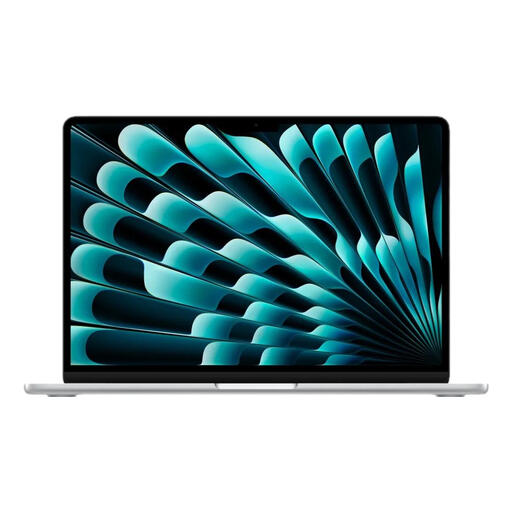 No image available
This is another compact choice for planning with macOS-compatible tools. The named variant has 16GB of memory and a 1TB SSD; confirm the processor configuration, essential software and connections for your presentation equipment before ordering.
Choose 13 inches if a smaller working footprint matters most; consider 14 inches if you need more room for slides, schedules and notes. Compare the exact laptop’s weight and dimensions too, rather than judging carrying comfort by screen size alone.
Start by comparing 16GB configurations if you expect to use a browser, documents, slides and calls together. This is a comparison point for that workflow, not a universal minimum; check your required software and the size of your media files before choosing memory and SSD capacity.
You may need one if the laptop lacks the connection your equipment uses. Lenovo lists HDMI and USB-A for the ThinkPad X13 Gen 6 line, while Apple lists two Thunderbolt 4 USB-C ports for the current 13-inch MacBook Air; check the exact laptop and projector rather than assuming every configuration has the same ports.
Use it only in line with your organisation’s security rules and the sensitivity of the material. The National Cyber Security Centre warns that public or insecure networks can expose data to attackers on the same network; keep the device updated and consider mobile data or a personal hotspot for sensitive work.
Contact the retailer promptly and keep your purchase and fault records. UK government guidance says that a fault discovered after an item has been accepted may call for repair or replacement, depending on the circumstances; a manufacturer warranty does not replace statutory rights.