For an occasional hand-off between compatible USB-C and USB-A devices, consider a dual-connector flash drive; for repeated large transfers, consider a portable SSD, checking the port, cable and drive format before relying on its stated speed. An external hard drive offers another way to carry a sizeable collection, but Apple notes that hard drives often need external power with iPhone. When the recipient is elsewhere, cloud sharing avoids carrying a drive, provided the file fits the service limits and the access settings suit the recipient.
Who needs which transfer route?
People moving photos and videos between devices
If you regularly move camera footage or phone photos, the choice is between a pocket-sized direct hand-off and storage suited to repeated large transfers. Check the connectors and the speed your devices can actually support.
Mixed Windows, Mac and mobile-device users
A drive that connects to one computer may still need a different connector, file format or power arrangement for another device. Check each intended computer, phone or tablet before choosing one drive for them all.
People sharing files remotely
Cloud sharing lets a recipient access files without a physical hand-off. Check the service’s file-size limit, available account storage and who can open the shared file.
What should you check before choosing?
Start with where the file needs to go, then check the connections and limits on the route you would use.
| Priority | What to check | Your needs |
|---|
| Device connections |
Check the ports at both ends, any required adapter and whether a mobile device supports the drive. For Android-to-computer cable transfers, Android Help says the cable must carry data and the device must be set to File transfer. |
I want to move a file directly between my devices without discovering that a matching plug is not enough. |
| Transfer speed |
Compare stated read and write speeds separately. Samsung says the T7 Shield’s stated maximum speeds require a USB 3.2 Gen 2 host and cable, with UASP enabled; check the complete connection before relying on them. |
Repeated transfers of large video or project folders make the time spent copying files important to me. |
| Drive format |
Check the file system on every intended device. Apple identifies exFAT as a Windows-compatible format for volumes over 32 GB; its iPhone guidance also requires a single data partition on connected external storage. |
One removable drive needs to work with my Windows PC and Mac, and perhaps a phone or tablet too. |
| Physical storage |
Check the capacity against the files you intend to carry, then confirm the device can connect to and power the drive. Apple says external hard drives often need external power with iPhone. |
I need to carry a sizeable collection between computers, with phone access only if my setup allows it. |
| Remote sharing |
Check the provider’s per-file limit, available account storage, upload method and recipient permissions. Microsoft documents OneDrive website uploads of up to 250 GB per file; Dropbox documents a 2 TB maximum but warns that browser uploads above 375 GB may be interrupted. |
The recipient is elsewhere, so I need to send access to the file rather than carry a drive to them. |
What can disrupt a large-file transfer?
-
Choosing by plug shape alone
A drive can fit a port without working in the intended setup. Apple notes that external hard drives often need external power with iPhone; Android Help says computer transfers require a data-capable cable and File transfer mode.
List the source and destination devices, their ports and any adapters before choosing a drive.
A compatible adapter or powered connection may be needed for the intended device.
-
Expecting the stated maximum speed on every device
Samsung says its T7 Shield maximum speeds require a USB 3.2 Gen 2 host and cable with UASP enabled. The drive’s speed figure alone does not describe the whole transfer path.
Check the host port, cable and drive interface together, and distinguish read speed from write speed.
-
Reformatting without checking the other devices
A format chosen for one computer may not suit every intended device. Reformatting also deletes the files already on the drive, according to Apple Support.
Check each device’s format requirements, then copy any files you need to keep elsewhere before reformatting.
-
Assuming a cloud link is private
The Information Commissioner’s Office describes private, public and shared cloud access settings. A recipient also cannot use an upload that exceeds the service’s applicable limits or available storage.
Set access for the intended recipient and check the file size, upload method and available storage before sending the link.
Brand and service references
Samsung
The T7 Shield is a portable SSD reference for repeated large-file transfers.
- Samsung UK states sequential speeds of up to 1,050 MB/s read and 1,000 MB/s write for its cited 2 TB T7 Shield model.
- Samsung says reaching those maximum speeds requires a USB 3.2 Gen 2 host and cable with UASP enabled.
SanDisk
The Ultra Dual Drive Go is a USB-C and USB-A flash-drive option for direct transfers between compatible equipment.
- SanDisk lists models from 128 GB to 2 TB and states read speeds of up to 400 MB/s for those capacities.
- A stated read speed does not establish the drive’s write speed or compatibility with a particular phone.
Western Digital
The My Passport range includes a 5 TB portable hard drive for carrying local file collections.
- Western Digital lists a 5 TB My Passport portable HDD model.
- For iPhone use, check the exact drive and power arrangement: Apple says external hard drives often need external power.
Microsoft OneDrive
OneDrive is a cloud route when files need to reach another location or device.
- Microsoft Support documents website uploads of up to 250 GB per file.
- Microsoft recommends its desktop app for large files or many files; also check available storage and recipient access.
Dropbox
Dropbox is another cloud route for sharing files with a remote recipient.
- Dropbox Help documents a maximum file upload size of 2 TB.
- Dropbox warns that browser uploads above 375 GB may time out or be interrupted; the file must also fit the account’s available storage.
Joybuy portable-storage options
These drives cover physical hand-offs: portable SSDs for repeated large transfers, dual-connector flash drives for USB-C and USB-A equipment, and a portable hard drive for carrying a larger collection. Check each intended device before choosing one for phone or tablet use.
 No image available
Samsung T7 Shield 1 TB portable SSD, blue
A portable SSD to consider for repeated file transfers. The name specifies USB 3.2 Gen 2; check the host connection and the intended device’s drive-format and power support before relying on it for mobile transfers.
View on Joybuy
 No image available
Samsung T7 4 TB portable SSD, grey
The 4 TB capacity suits carrying a larger set of media or project files. Its name specifies USB 3.2 Gen 2; check the host port, cable, format and mobile-device support for your intended transfer.
View on Joybuy
 No image available
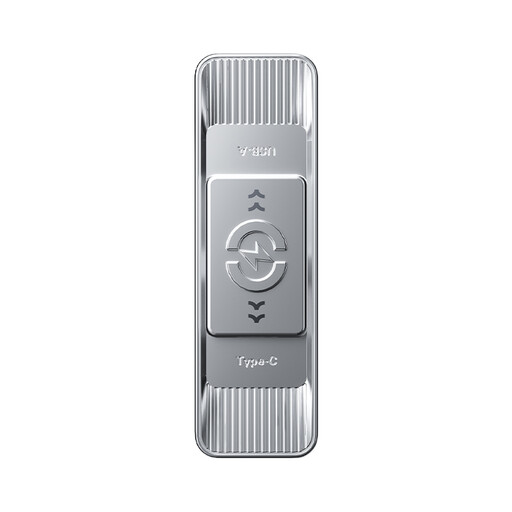
MOVESPEED YSUSP05-512GSR 512 GB USB flash drive
Its USB-A and USB-C connectors offer two direct connection options for compatible devices. The name specifies USB 3.2 Gen 1 and a stated read speed of 570 MB/s; check the exact phone or tablet and drive format before use.
View on Joybuy
 No image available
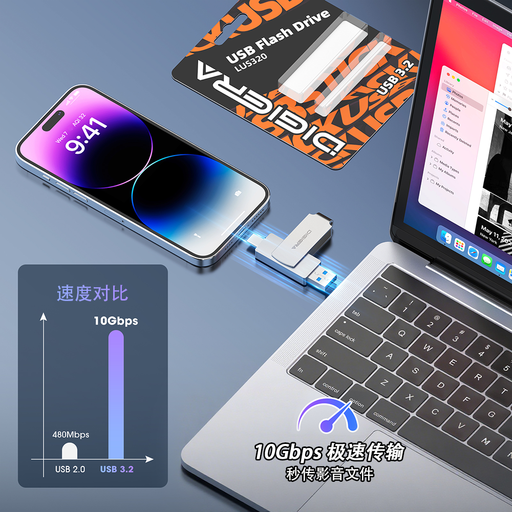
DigiEra LUS320 128 GB USB flash drive
The USB-A and USB-C connectors suit direct hand-offs where both devices support the connection. Its name specifies USB 3.2 and a stated read speed of 500 MB/s; check mobile-device compatibility and file format separately.
View on Joybuy
 No image available
Western Digital My Passport Ultra for Mac 5 TB, silver
A portable hard drive to consider when carrying a sizeable file collection matters. Check its format and Windows compatibility if using both computer systems; for iPhone transfers, Apple says external hard drives often need external power.
View on Joybuy
Large-file transfer questions
What format should I check for transfers between Windows and Mac?
Consider exFAT for a drive used with both systems: Apple identifies it as Windows-compatible and specifies it for Windows volumes over 32 GB. Check any phone or tablet you also intend to use, and copy existing files elsewhere before reformatting; Apple Support says reformatting erases them.
Can an iPhone access a USB drive or external hard drive?
Apple says the Files app and other supported apps can access connected external storage. Check the connector or adapter, the drive format and Apple’s single-data-partition requirement; external hard drives often need external power with iPhone.
Why does my Android phone charge but not transfer files to my computer?
Select File transfer under the phone’s USB options. Android Help also notes that not every USB cable carries data, so try a data-capable cable if the connection still only charges.
How large a file can I upload to a cloud service?
The limit depends on the provider and upload method. Microsoft Support documents OneDrive website uploads of up to 250 GB per file; Dropbox Help documents a 2 TB maximum but warns that browser uploads above 375 GB may be interrupted. Check that the file also fits your available account storage.
Who can open a cloud file I share?
That depends on the access setting you choose. The Information Commissioner’s Office describes private, public and shared settings; check the recipient permissions before sending a link, especially for personal files.


