
24/7 Customer Support

Free returns

Same-day & Next-day Delivery

Quality Guaranteed

Unlock Your Welcome Offers: FREE Delivery | Up to 80% OFF | Free 30-day JoyPlus trial
Download the APP
As a Joybuy Product Recommendation Officer, my role is to help you navigate the market and make informed choices. When it comes to fitting out a professional or educational space, a large magnetic whiteboard is often a central tool for collaboration and presentation. However, not all boards are created equal, and a poor choice can lead to frustration and wasted budget. This guide will walk you through the essential considerations to ensure you select a durable and functional board that meets your needs.
Before investing, it's crucial to be aware of the common issues that can render a whiteboard unusable. Many products look similar online, but their performance can vary dramatically.
To avoid these traps, focus on a few key technical specifications. These details are what separate a reliable, long-lasting board from one that will need replacing in a year.
Based on these critical parameters, we have matched a few products to common user profiles.
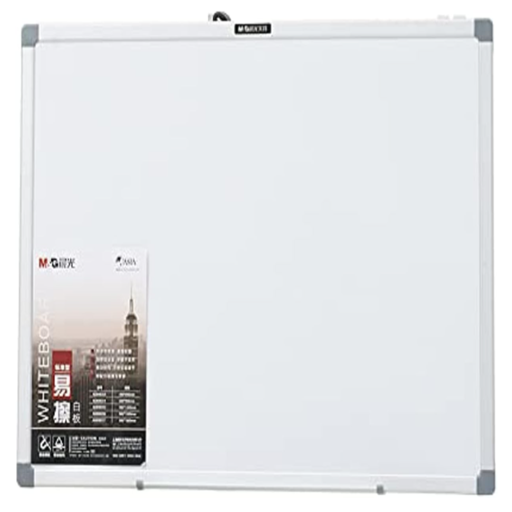
Why This Fits Their Persona: For facilities managers and school administrators, this board's expansive 1200 x 1800 mm size provides maximum visibility for large audiences. It is designed specifically for high-use professional environments where clarity and durability are essential.
Its premium high-density coating is engineered for ghost-free erasing, directly addressing the staining issue. The robust hanging system and reinforced core prevent the warping common in other large boards.
This is a complete magnetic marker board kit, including an eraser, markers and magnetic buttons. This provides excellent value and convenience, eliminating the need to purchase accessories separately.
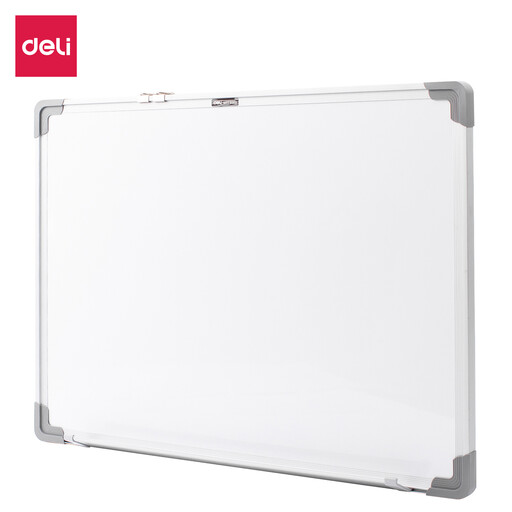
Why This Fits Their Persona: Ideal for small teams, home offices or as a personal planning board in a larger workspace. Its 450x600mm dimension provides ample writing space without dominating the room.
Even at a smaller size, it features a quality-coated steel surface for improved erasing and an aluminium frame with a galvanised steel backing, ensuring it remains rigid and flat over time.
It includes a convenient foldable pen tray and sliding mounting parts, which allow for flexible and straightforward installation in various spaces.
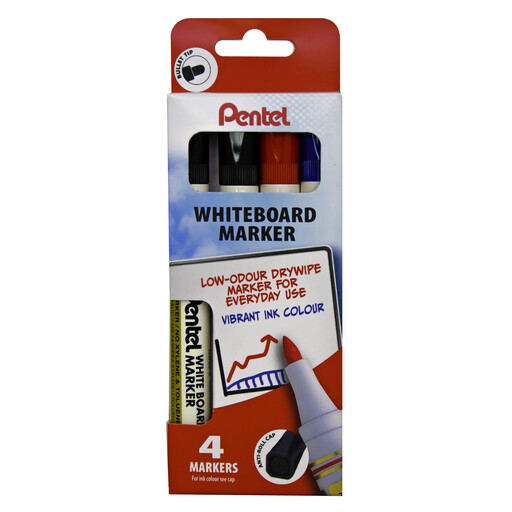
Why This Fits Their Persona: A whiteboard is incomplete without reliable markers. This pack is for any user who values clarity and wants to protect their board's surface. It's a necessary accessory for classrooms, offices and homes.
Using the wrong type of marker can permanently damage a whiteboard. These are specifically designed as dry-wipe markers with vibrant, pigment-based ink that erases cleanly without harsh solvents.
The unique anti-roll cap is a small but highly practical design feature that prevents markers from falling off desks or trays. The bullet tip provides a consistent, clear line for legible writing.
We have compiled a complete, real-time list of products that fully satisfy these strict selection criteria and UK safety regulations.
1. How do I properly clean a large magnetic whiteboard to prevent "ghosting"? For daily cleaning, a simple dry eraser or soft microfibre cloth is sufficient. For deeper cleaning to remove stubborn marks, use a cleaning spray specifically formulated for whiteboards. Avoid using general-purpose cleaners, glass cleaners or abrasive materials, as these can strip the board's protective coating and cause permanent damage.
2. What is the difference between a melamine and a steel or porcelain whiteboard surface? Melamine is an affordable option but is more porous and prone to staining over time, making it suitable for light use. Coated steel surfaces, as discussed, offer a great balance of durability, easy cleaning and magnetic properties. Porcelain (or enamel) is a premium, highly durable surface that is extremely resistant to scratches, stains and ghosting, often found in high-intensity environments like universities and corporate training centres.
3. Can I mount a large 1200 x 1800mm whiteboard on a plasterboard wall? Yes, but with caution. A board of this size is heavy and must be mounted securely. It is critical to use appropriate wall anchors designed for plasterboard (drywall), such as toggle bolts or self-drilling plasterboard anchors, that can handle the weight. Ideally, you should locate the wooden studs within the wall and anchor the mounting brackets directly into them for maximum security. If you are unsure, it is always best to consult a professional.