Shoppers comparing protein portions
A larger pack may suit you if you use nuts regularly and want to compare the labelled protein per serving alongside pack size and energy per 100g.


For a larger nut pack, compare the labelled protein per serving, salt and post-opening instructions rather than choosing by bag size alone. The checked unsalted peanuts have less salt than the dry-roasted example; mixed nuts offer ingredient variety but introduce additional nut allergens.
A larger pack may suit you if you use nuts regularly and want to compare the labelled protein per serving alongside pack size and energy per 100g.
Seasoning matters as well as protein. The checked KP unsalted peanuts list less salt per serving than the checked KP dry-roasted 1kg pack, so compare the nutrition panels rather than treating all roasted peanuts alike.
A mixed pack offers several types of nut in one bag. Check its protein information separately from peanut-only packs and read the full allergen declaration.
Start with the serving you expect to use, then check the recipe and whether the pack size fits its storage instructions.
| Priority | What to check | Your needs |
|---|---|---|
| Protein and portion | Compare protein per 100g and per labelled serving. Check energy per 100g alongside the portion size. | I want to know what my usual portion contributes, not judge protein by the size of the bag. |
| Pack size and storage | Check the total weight and the instructions after opening. The checked KP dry-roasted 1kg and Sainsbury’s salted 550g packs advise use within seven days of opening. | A larger bag suits me only if I can use it within the instructions on that pack. |
| Salt and seasoning | Compare salt on the same per-100g or per-serving basis. The checked KP dry-roasted 1kg pack lists 1.6g salt per 100g; the checked KP unsalted 250g pack lists less than 0.01g per serving. | If I prefer less salt, I need to check the actual recipe rather than rely on the word “roasted”. |
| Ingredients and allergens | Read the current ingredients, allergen declaration and any “may contain” statement. The checked ASDA mixed selection contains peanuts, pecans, almonds and cashews. | I need to know which nuts are deliberately included and whether the label flags possible cross-contact. |
A large pack is less practical if you cannot use it within its post-opening instructions.
Check the weight against your expected use, then read the storage and use-after-opening directions for that product.
The checked KP dry-roasted 1kg and unsalted 250g products have substantially different stated salt amounts per serving.
Compare the current nutrition panels on the same serving basis if salt affects your choice.
A mix can contain both peanuts and several tree nuts. The Food Standards Agency explains that precautionary allergen labelling communicates possible unintended allergen presence.
Read the current ingredients and any “may contain” statement for the particular pack.
Protein per 100g does not describe the amount in the serving you plan to eat; the checked packs also list energy that matters to a portion comparison.
Use the label’s serving information alongside its per-100g figures when comparing packs.
The checked KP products include unsalted and dry-roasted peanuts in different pack sizes.
The checked own-label 500g packs offer a choice between salted peanuts and a mixed-nut selection.
The checked own-label salted peanuts come in a 550g pack.
The checked roasted peanuts provide a plain-peanut reference when comparing recipes.
The checked lightly salted peanuts are a smaller, 270g branded comparison.
These peanut options span larger raw packs that require preparation and smaller roasted packs for snacking. Compare each pack’s label and preparation instructions for your intended use.
 No image available
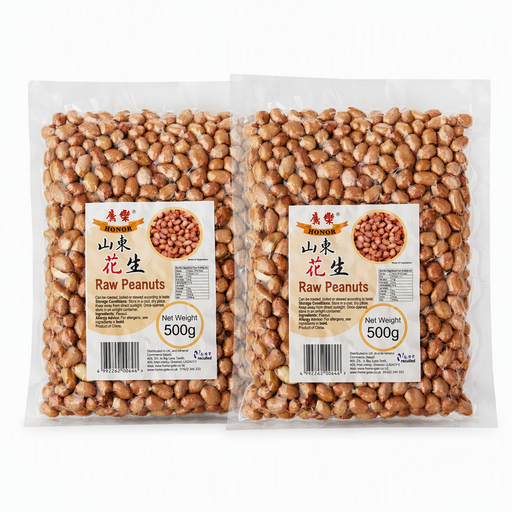
Two 500g packs suit shoppers looking for a larger quantity of peanuts. These are raw peanuts that require cooking before eating; check the pack for preparation instructions.
 No image available
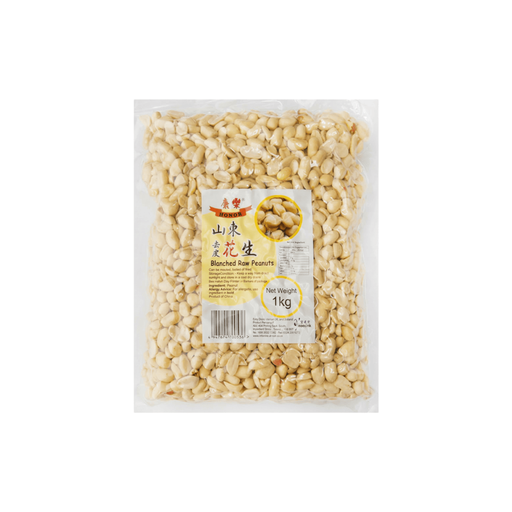
This 1kg pack is a larger peanut option for planned preparation rather than immediate snacking. The raw, blanched kernels require cooking before eating; check the pack’s allergen information too.
 No image available
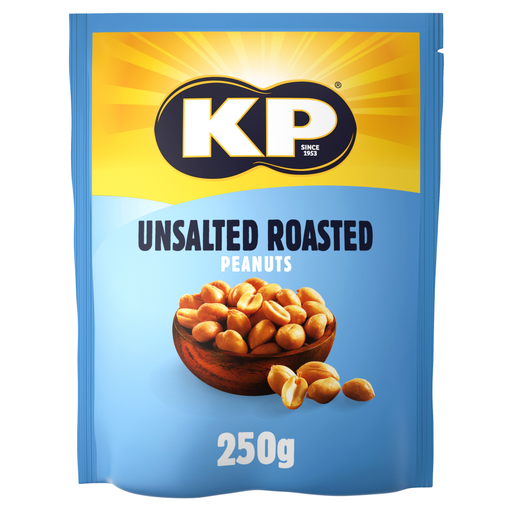
An unsalted roasted option for comparing seasoning without buying a larger pack. The checked retailer listing for KP roasted unsalted peanuts in this size states 30g protein per 100g; check the current pack label before use.
 No image available
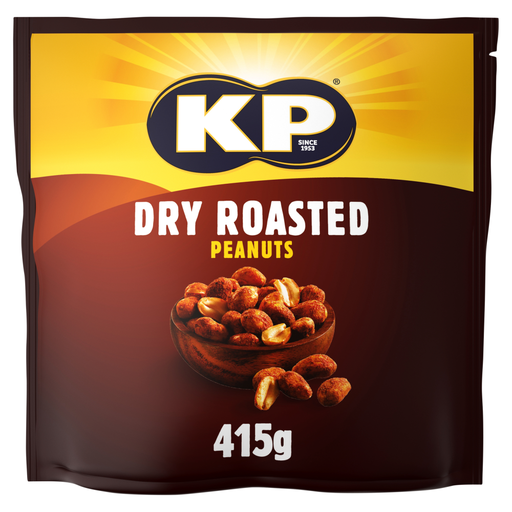
This 415g dry-roasted pack is a roasted peanut option rather than the 1kg pack discussed elsewhere. The Joybuy listing for the 415g product states 27.7g protein and 1.3g salt per 100g; compare its own label, not the figures for another pack size.
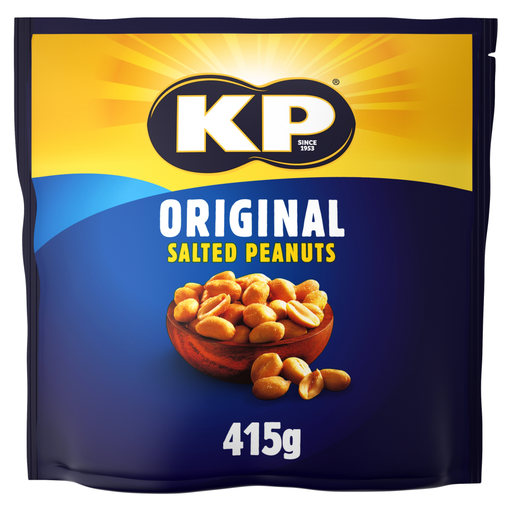 No image available
A 415g salted roasted peanut pack for shoppers comparing ready-to-eat recipes. Check its salt figure and allergen statement against the unsalted and dry-roasted packs rather than assuming the seasonings are interchangeable.
Do not treat nuts as your only protein food. The NHS Eatwell Guide includes a range of protein foods; when comparing nut packs, check protein and energy for the portion you expect to eat.
Their salt figures can differ substantially. The checked KP dry-roasted 1kg pack lists 0.48g salt per 30g serving, while the checked KP unsalted 250g pack reports less than 0.01g per serving. Compare the label for the exact pack you choose.
Follow its own storage directions. The checked KP dry-roasted 1kg and Sainsbury’s salted 550g packs both advise consumption within seven days of opening; Sainsbury’s also specifies an airtight container.
Read both the ingredients and any “may contain” statement on the current pack. A mix may deliberately include peanuts and several tree nuts, while the Food Standards Agency explains that precautionary wording communicates possible unintended allergen presence.
No. A larger bag is useful only if its recipe meets your needs and you can use it within its post-opening instructions. Compare the labelled portion, salt and allergens as well as the pack weight.