Shoppers watching salt rather than fat
An unsalted mix can meet a preference for less seasoning without meeting a low-fat requirement. Check both figures on the pack and decide how much you intend to serve.


Unsalted does not mean low fat: Sainsbury's Unsalted Mixed Nuts contain 59.7 g fat per 100 g, while NHS food-label guidance defines low fat as 3 g or less per 100 g. A Sainsbury's fruit-and-nut mix has less fat per declared serving than that plain mix, but the portions differ in size and the fruit-and-nut serving contains 6.5 g sugars. If low fat is essential for your late supper, compare other snack options by their per-100 g labels rather than assuming a nut mix meets that requirement.
An unsalted mix can meet a preference for less seasoning without meeting a low-fat requirement. Check both figures on the pack and decide how much you intend to serve.
A fruit-and-nut mix may have a lower stated fat figure than a plain mix, but the serving sizes and sugars need comparing too. Fruit in the mix changes what you are buying, not just its nutrition figures.
For adults with gastro-oesophageal reflux disease (GORD), the timing of supper matters separately from the nut label. Cambridge University Hospitals NHS Foundation Trust advises avoiding late-night eating and ideally having the evening meal three to four hours before bed.
Start with fat per 100 g if a low-fat label is the deciding factor. Then compare the portion you would eat, its sugars and salt, and whether eating close to bedtime is suitable for you.
| Priority | What to check | Your needs |
|---|---|---|
| Total fat | Compare fat per 100 g on the same basis. NHS guidance defines low fat as 3 g or less per 100 g; Sainsbury's Unsalted Mixed Nuts contain 59.7 g per 100 g. | If I need a low-fat supper, an unsalted nut label is not enough: I need to check the fat figure or consider another snack. |
| Fruit and sugars | Sainsbury's lists 11.8 g fat and 6.5 g sugars per 30 g serving of its Unsalted Mixed Nuts & Raisins. Its plain unsalted mix has 14.9 g fat per 25 g serving, so the declared portions are different sizes. | I may accept fruit in the mix, but I want to see the sugars figure as well as the lower fat figure per stated serving. |
| Salt and seasoning | Read salt per 100 g and per serving alongside the ingredients. Sainsbury's declares less than 0.01 g salt per serving for each of its unsalted mixes; Marks & Spencer lists 0.73 g salt per 100 g for its Roasted and Salted Mixed Nuts. | For a savoury snack, I can choose the seasoning I want without treating an unsalted product as reduced fat. |
| Portion size | Compare nutrition per 100 g and per declared portion, then check how much you plan to put in a bowl. Packs may state portions that differ from the amount you eat. | A serving taken from an open bag might not match the label's portion, so I want to decide on an amount before eating. |
| Bedtime timing | If GORD is relevant, consider when you eat as well as what you buy. Cambridge University Hospitals NHS Foundation Trust advises avoiding late-night eating and ideally leaving three to four hours between the evening meal and bedtime. | If eating late brings on reflux symptoms, changing the nut variety alone will not address when I have supper. |
| Allergens and children | Check each pack's peanut and tree-nut allergen information. The Food Standards Agency distinguishes peanuts from tree nuts, and the NHS advises against giving whole nuts to children under five because of choking risk. | If I am sharing supper, I need to check who will eat it before choosing whole nuts or a mixed product. |
Salt and fat are separate label measures. Sainsbury's Unsalted Mixed Nuts have less than 0.01 g salt per 25 g serving but 59.7 g fat per 100 g, above the NHS low-fat threshold of 3 g or less per 100 g.
Check total fat per 100 g first when low fat is your requirement; use the serving figure to work out what the amount you plan to eat represents.
Sainsbury's Unsalted Mixed Nuts & Raisins contain 6.5 g sugars per 30 g serving. Its fat figure is for a different-sized serving from the plain mixed nuts, so the two portion figures are not a like-for-like comparison.
Read fat and sugars together, and compare the per-100 g panels when assessing products with different declared portions.
The pack's declared serving may be smaller than the amount eaten from an open bag, changing the fat, sugars and salt in the snack you actually have.
Put the amount you intend to eat in a bowl and compare it with the labelled portion.
Peanuts and tree nuts require distinct allergen checks. The NHS says whole nuts can cause choking in children under five; for adults with GORD, Cambridge University Hospitals NHS Foundation Trust advises avoiding late-night eating.
Read the pack's allergen information, do not serve whole nuts to children under five, and consider supper timing if reflux is relevant.
These examples help distinguish particular nut formats; their figures do not describe every product made or sold under the same name.
Its labelled unsalted plain-nut and fruit-and-nut products illustrate different fat, sugar and portion-size considerations.
The Marks & Spencer Roasted and Salted Mixed Nuts label provides a seasoned, oil-roasted example for comparison.
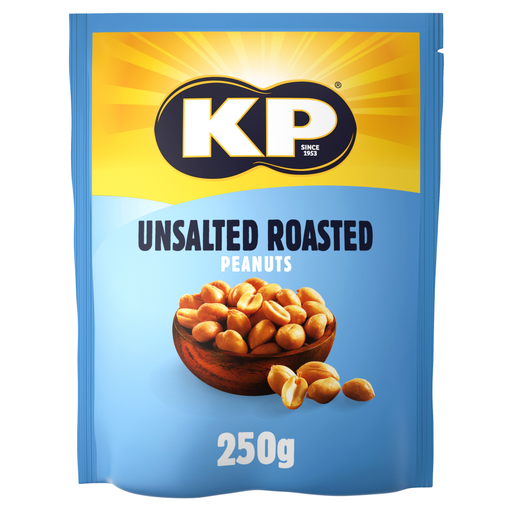
KP has an unsalted roasted-peanut option among the products below.
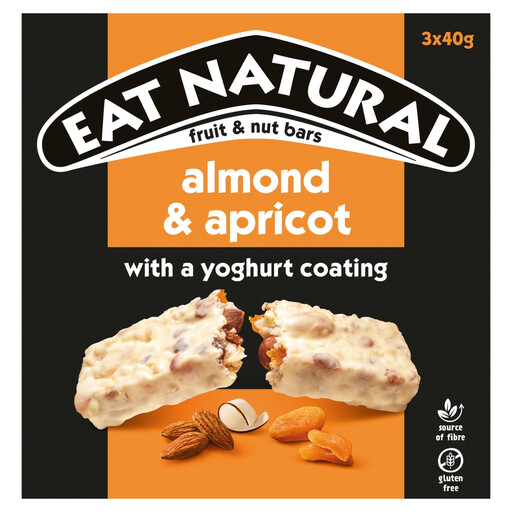
These options include a nut-based bar, peanuts, chopped mixed nuts and chestnuts. They offer different snack formats rather than a set of interchangeable reduced-fat nut products; compare each pack's nutrition panel and preparation instructions for your planned supper.
 No image available
This almond-and-apricot bar is a different format from loose nuts. Check its fat and sugars per 100 g and the amount in each bar when comparing supper portions.
 No image available
For a peanut snack without the salted name, compare total fat separately from salt. Choose a portion from the 250g pack rather than assuming “unsalted” means low fat.
 No image available
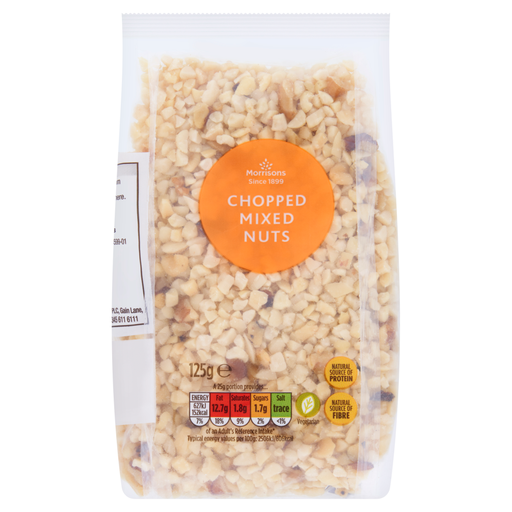
Chopped nuts offer a different texture from whole mixed nuts. Check the pack's fat, salt and allergen information before using them as a supper snack.
 No image available
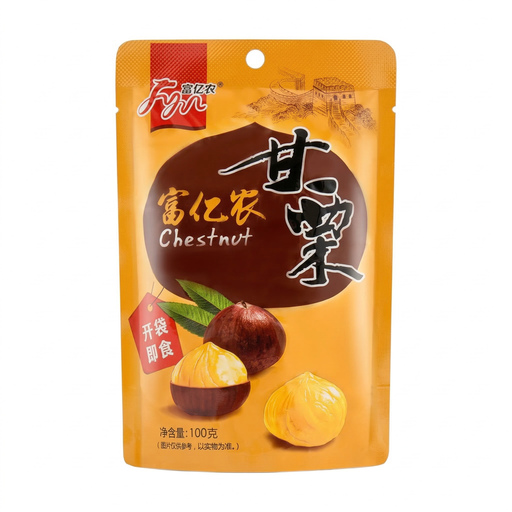
Chestnuts are an alternative to a peanut or mixed-nut snack. Compare the fat figure per 100 g with your other options and check the pack for preparation and serving instructions.
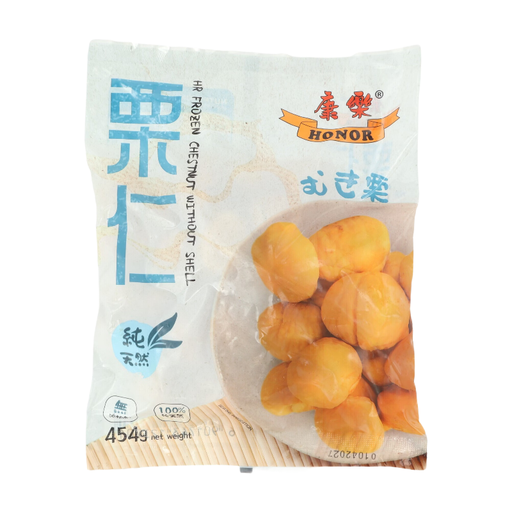 No image available
These shelled chestnuts are another format to compare with a nut snack. Check the preparation instructions before planning a late supper, as well as the nutrition figures for the amount you intend to eat.
Not on the basis of being unsalted. NHS food-label guidance defines low fat as 3 g fat or less per 100 g, while Sainsbury's Unsalted Mixed Nuts list 59.7 g fat per 100 g. Check total fat independently of salt.
It can have less fat per declared serving, but compare the serving sizes and sugars. Sainsbury's Unsalted Mixed Nuts & Raisins list 11.8 g fat and 6.5 g sugars per 30 g serving; its plain Unsalted Mixed Nuts list 14.9 g fat per 25 g serving.
Check fat, saturates, sugars and salt per 100 g so the products are on the same basis. Then read the per-portion figures, where shown, against the amount you actually plan to eat.
Consider the timing of eating rather than relying on a particular nut variety. Cambridge University Hospitals NHS Foundation Trust advises adults with GORD to avoid eating late at night and ideally have their evening meal three to four hours before bed.
Do not give whole nuts or peanuts to children under five: the NHS identifies them as a choking risk. Check allergen advice separately when choosing foods containing nuts or peanuts.