People comparing saturated fat
If reducing saturated fat is your priority, compare similar bars per 100g. The NHS gives separate figures for low total fat and low saturates, so one measure cannot stand in for the other.


For a late-night snack bar, compare total fat and saturates per 100g rather than relying on a light, protein or fibre message; then check the nutrition information for the portion you would eat. The NHS defines low fat as 3g or less and low saturates as 1.5g or less per 100g. If you get reflux, timing matters too: the NHS advises avoiding food within 3 to 4 hours before bed.
If reducing saturated fat is your priority, compare similar bars per 100g. The NHS gives separate figures for low total fat and low saturates, so one measure cannot stand in for the other.
Fibre and protein can be useful reasons to compare particular bars, but neither tells you their fat content. Check the exact flavour’s nutrition panel and the size of the portion you would eat.
If symptoms occur after eating or when lying down, the timing of a snack may matter more than a reduced-fat message. NHS guidance advises people with reflux not to eat within 3 to 4 hours before bed.
Start with comparable per-100g figures, then look at the portion and any ingredients that matter to you. A smaller bar can have a lower per-bar figure without having less fat per 100g.
| Priority | What to check | Your needs |
|---|---|---|
| Total fat | Compare similar bars per 100g. The NHS defines low fat as 3g or less per 100g and high fat as more than 17.5g per 100g. | I want to reduce total fat, so I need the nutrition figure rather than a light or natural-sounding name. |
| Saturates | Read saturates separately from total fat. The NHS defines low saturates as 1.5g or less per 100g and high saturates as more than 5g per 100g. | Lower saturated fat is my main concern; I will compare the same measure across the bars I am considering. |
| Portion | After comparing per 100g, check the bar’s weight and nutrition per bar, including sugars and calories. | For an evening snack, I want to know what the portion I would actually eat contains. |
| Fibre and protein | Check declared fibre and protein for the exact product, then assess its fat, saturates and sugars independently. | I may want fibre or protein, but I do not want that label to decide the fat comparison for me. |
| Bedtime timing | If you have reflux, consider when you will lie down and any foods that trigger your symptoms. The NHS advises avoiding food within 3 to 4 hours before bed. | If eating late tends to bring on reflux, changing the bar’s fat content may not address the timing. |
| Ingredients | Read the current ingredient list and allergen statement for the exact flavour, particularly if you must avoid specific cereals, milk, soya or nuts. | I need the bar to fit my ingredient requirements as well as my nutrition priorities. |
These are separate attributes. Nature Valley UK lists 17.9g fat and 1.7g saturates per 100g for its Crunchy Apple & Cinnamon Flavour Bars; both figures exceed the NHS low thresholds.
Compare total fat and saturates first if fat reduction is your aim, then consider fibre or protein.
Bars can be different sizes, so a lower per-bar figure does not by itself show which recipe has less fat.
Compare similar products per 100g, then check the nutrition information for the portion you would eat.
According to the NHS, reflux symptoms are often worse after eating or lying down. Cambridge University Hospitals also identifies rich or fatty foods and chocolate as possible triggers, which vary between people.
If reflux affects you, consider snack timing and your known triggers rather than assuming a different bar resolves the issue.
The name cannot tell you everything in a bar or its allergen statement. Nature Valley UK says its cited Apple & Cinnamon bars may contain soya, wheat, peanuts and tree nuts.
Check the current pack of the exact product when an ingredient or allergen matters to you.
These ranges offer different reasons to look at a bar; the brand name alone does not establish its fat content. Compare the exact flavour and pack.
Graze sells Oat Boost flapjacks alongside other snacks.
Nature Valley UK lists crunchy bars and protein-bar options, including bars declaring 7g or 10g protein per bar.
Eat Natural describes protein fruit-and-nut bars made with ingredients including almonds, peanuts and seeds.
nākd. describes a Fruit & Fibre range containing fruit, nuts, seeds and grains.
These cereal, fruit-and-nut and oat bars give you different evening portions to compare. Use each product’s current nutrition label to assess total fat and saturates; a light, fibre or protein description is not a substitute.
 No image available
If you are comparing evening portions, check the fat and saturates per 100g before looking at the nutrition information for one bar. Consider its sugars separately from any fibre declaration.
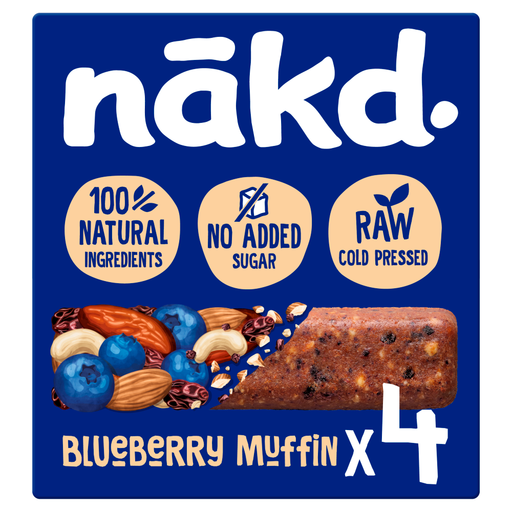 No image available
For this fruit-and-nut option, compare fat, saturates and sugars on the same per-100g basis as other bars. Check the current pack’s allergen statement if nuts are a concern.
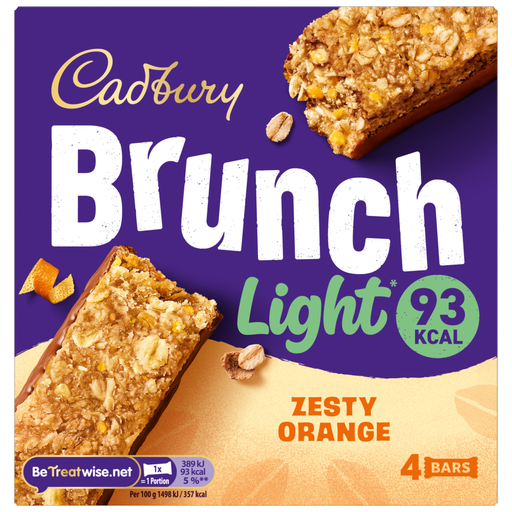 No image available
Light is part of the product name, not a substitute for checking total fat and saturates. If chocolate is a personal reflux trigger, read the current ingredients before choosing this bar for late evening.
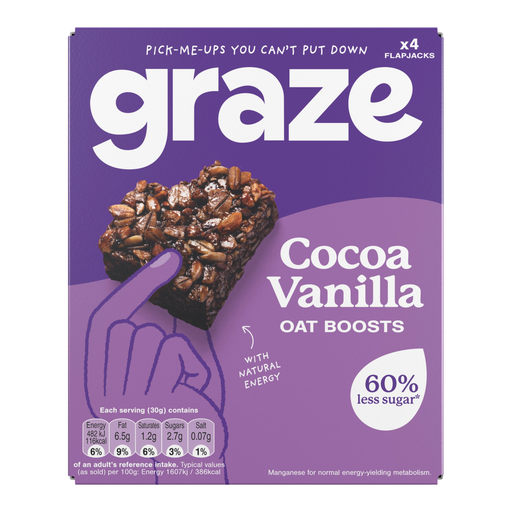 No image available
Choose on the declared protein only if protein is a separate priority; it does not establish reduced fat. Compare total fat per 100g, and check the cocoa ingredients if they matter to your evening choice.
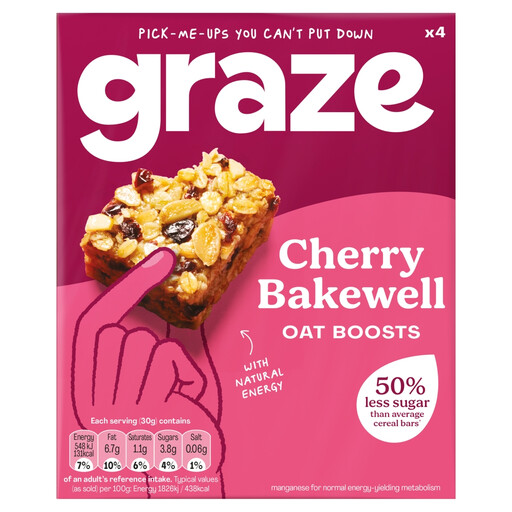 No image available
An oat flapjack is not automatically low in fat. Check this flavour’s total fat and saturates per 100g against similar bars, then review the nutrition information for one portion.
No. A comparison with another product is not the same as meeting a low-fat benchmark. The NHS defines low fat as 3g or less per 100g; check the selected bar’s total fat and saturates per 100g, then its portion size.
Compare total fat and saturates per 100g so differently sized bars are assessed on the same basis. The NHS defines low total fat as 3g or less and low saturates as 1.5g or less per 100g. Then check the nutrition information for the bar you would actually eat.
Protein content does not establish that a bar is lower in fat. Nature Valley UK lists options with 7g or 10g protein per bar, but you still need the exact product’s fat, saturates and portion information to make that comparison.
A lower-fat bar does not remove the importance of timing. The NHS advises people with reflux not to eat within 3 to 4 hours before bed; Cambridge University Hospitals also identifies fatty foods and chocolate as possible individual triggers. Ask a pharmacist or GP for advice if symptoms are frequent or persistent.
Read the current pack’s ingredient list and allergen statement for the exact flavour. For example, Nature Valley UK states that its Crunchy Apple & Cinnamon Flavour Bars may contain soya, wheat, peanuts and tree nuts; do not apply that statement to every bar in the range.