
24/7 全天候客户支持

免费退货

当日/次日达

品质保障

开启新人专享福利: 全场免邮 | 低至 2 折 | 免费试用 30 天 JoyPlus 会员
下载 Joybuy
Navigating the world of laundry appliances can feel overwhelming. With endless features, complex energy labels and a wide range of prices, it is easy to make a purchase you later regret. As a Joybuy Product Recommendation Officer, my role is to help you sidestep the common pitfalls and identify the features that genuinely matter for your household. Before you commit to a new machine, let’s look at the frequent traps that catch UK buyers out.
To make a confident choice, focus on the specifications that have a direct impact on performance, cost and convenience.
The right capacity depends entirely on your household's needs. A smaller 6-7kg drum is often sufficient for individuals or couples, while families will benefit from the larger loads handled by a 9kg, 10kg or even 11kg machine.
However, capacity is only half the story. For any freestanding washing machine or dryer intended to fit under a counter, the physical depth is a critical measurement. Standard UK kitchen worktops are 600mm deep. Some high-capacity machines exceed this, so always compare the appliance's dimensions with your available space. For those in smaller flats, a compact tumble dryer or a slim-depth washing machine can be an ideal solution.
Since 2021, appliances in the UK use a simpler A-G energy rating scale, with 'A' being the most efficient. For an energy efficient washing machine, look for models rated 'A' to minimise electricity and water consumption over the appliance's lifetime.
When considering a tumble dryer, the technology is key. A heat pump tumble dryer is significantly more efficient than traditional condenser or vented models. It recycles hot air to dry clothes at lower temperatures, which not only saves a considerable amount on your energy bills but is also gentler on your fabrics. These models often achieve A++ or A+++ ratings, representing substantial long-term savings.
Instead of being swayed by marketing buzzwords, look for features that solve everyday problems:
Here are a few recommendations from our catalogue, matched to different household needs and priorities.
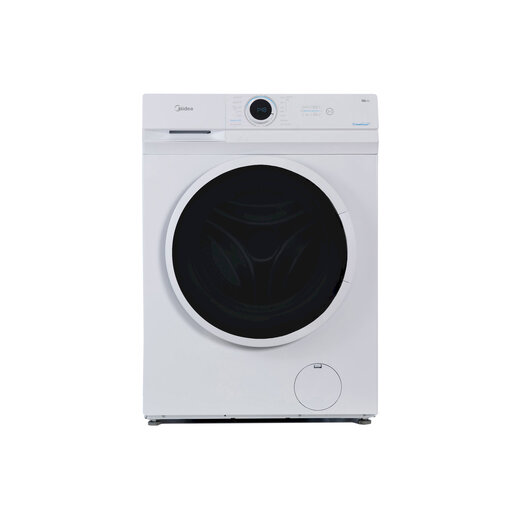
Why This Fits Their Persona: This machine is designed for compact UK kitchens and utility rooms where every centimetre counts. Its 6kg capacity is ideal for individuals or couples, handling daily laundry without taking up valuable floor space.
It directly solves the "capacity vs. cabinet depth" problem with its ultra-slim 40cm depth, allowing it to be installed in tight spaces where standard 55-60cm deep machines simply will not fit.
Its main advantage is its space-saving design. It also includes genuinely useful 15-minute and 45-minute rapid wash options for when you are in a hurry.
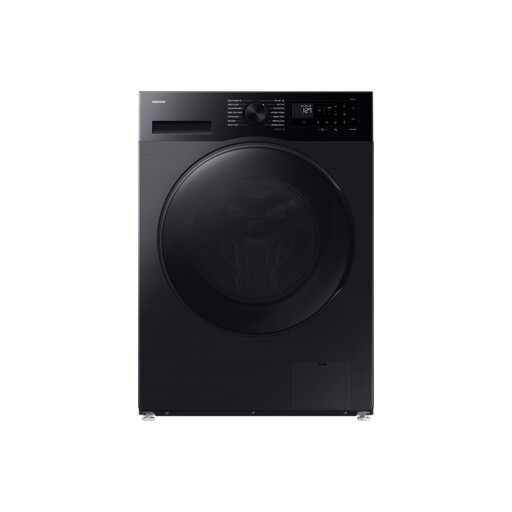
Why This Fits Their Persona: For busy families, the huge 11kg wash capacity is a game-changer, easily handling large loads, bedding and sports kits. This stylish black washer dryer combines two appliances in one, saving space without compromising on capacity.
It sidesteps the "impractical smarts" trap. The AI Energy Mode in the SmartThings app provides a tangible benefit by monitoring and helping to reduce power consumption, offering real value beyond simple remote control.
Its massive capacity is housed in a standard-depth cabinet thanks to SpaceMax technology. The Hygiene Steam cycle is also a major plus for family health and cleanliness.
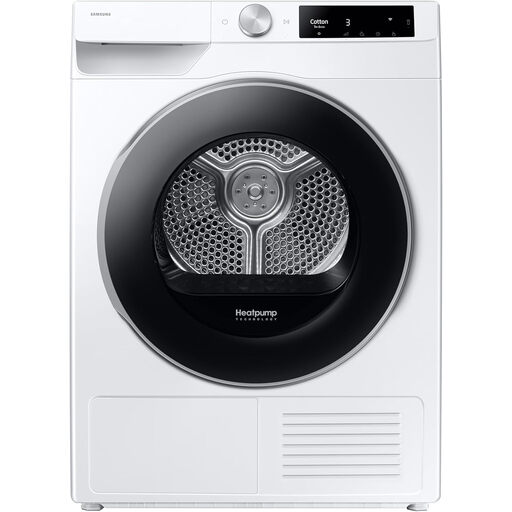
Why This Fits Their Persona: This appliance is for homeowners focused on long-term value. The initial investment is offset by significant savings on electricity bills, making it a financially sound choice for anyone who uses a tumble dryer regularly.
This dryer is the direct antidote to the "energy label illusion." Its A+++ rating demonstrates what true efficiency looks like, using heat pump technology to minimise running costs without compromising on drying performance.
Outstanding energy efficiency is its primary benefit. The OptimalDry sensor system also prevents over-drying, protecting clothes and saving even more energy by stopping the cycle at the perfect moment.
We have compiled a complete, real-time list of products that fully satisfy these strict selection criteria and UK safety regulations.
For many people in smaller homes, a washer dryer is an excellent space-saving solution. It eliminates the need for a separate appliance and avoids the clutter of indoor clothes airers. However, be mindful of the two main compromises: the drying capacity is typically smaller than the washing capacity (e.g., 8kg wash, 5kg dry), and the combined wash-and-dry energy rating is often much lower than the wash-only rating. If you plan to dry every load, a highly efficient model is worth considering to manage running costs.
The expected lifespan of a new washing machine is typically between 7 and 12 years, depending on the brand, build quality and usage frequency. Models with long motor warranties (10, 12, or even 20 years) often indicate a manufacturer's confidence in the durability of the core components, such as the inverter motor. Regular maintenance, such as cleaning the filter and running a service wash, can also help extend its operational life.
While the initial purchase price is higher, a heat pump tumble dryer is significantly cheaper to run than a condenser or vented model. An A+++ rated heat pump dryer can use less than half the electricity per cycle compared to a C-rated condenser model. For a household that uses a dryer several times a week, the savings on electricity bills can amount to over ?100 per year, meaning the appliance can pay for its higher initial cost over its lifetime.