
24/7 Customer Support

Free returns

Same-day & Next-day Delivery

Quality Guaranteed

Unlock Your Welcome Offers: FREE Delivery | Up to 80% OFF | Free 30-day JoyPlus trial
Download the APP
Navigating the laundry aisle can feel overwhelming, especially when you're trying to find a detergent that won't irritate sensitive skin. Whether it's for a newborn, a family member with eczema or simply your own delicate skin, the wrong choice can lead to discomfort and frustration. Many products make bold claims, but not all deliver the gentle yet effective clean you need.
As the Joybuy Product Recommendation Officer, my role is to help you see past the marketing clutter. We've observed a few common pitfalls that UK shoppers encounter. Understanding these can help you make a more informed decision and avoid wasting money on products that don't work for you.
To choose a suitable laundry detergent for sensitive skin, focus on the product's formulation and format, not just the claims on the front of the bottle. Here are the core parameters to consider.
The most crucial distinction is between biological and non-biological detergents.
A truly hypoallergenic laundry detergent goes a step further than just being non-bio. These products are specifically formulated to minimise the risk of an allergic reaction. Look for key indicators on the packaging:
The format of your detergent can influence its performance and gentleness.
Based on these practical criteria, we've matched a few standout products to different household needs.
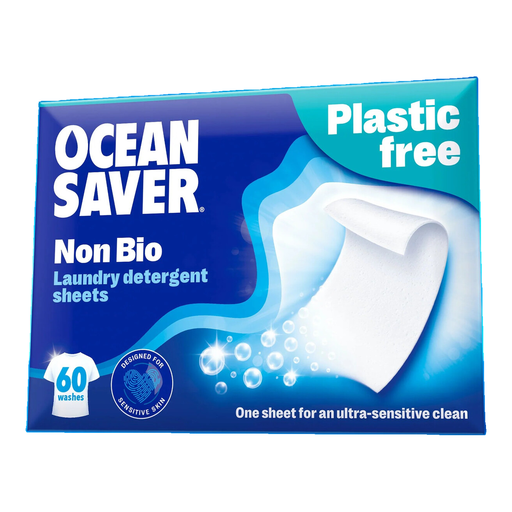
Why This Fits Their Persona: Ideal for those prioritising sustainability without compromising on skin safety. The zero-waste, plastic-free format appeals to environmentally aware UK households, and its lightweight nature is perfect for small living spaces or travel.
It directly counters the residue problem. The sheets dissolve completely even in cold water, leaving nothing on clothes to cause irritation. It's also dermatologically tested for gentleness.
100% plastic-free and biodegradable. The plant-based, non-bio formula is mess-free and effective on everyday stains, making it a practical and ethical choice.

Why This Fits Their Persona: A trusted and reliable choice for families. The large bottle offers good value for frequent laundry loads, and its formula is specifically designed for the delicate skin of all family members, including babies.
This product clears up the "non-bio vs. hypoallergenic" confusion. It is not only non-bio but also dermatologically recognised for its mildness, making it a dependable option for sensitive skin.
Fast-dissolving gel texture. It works well in both cold and warm water, leaving no residue and ensuring clothes are left soft and thoroughly clean.

Why This Fits Their Persona: For those who appreciate a touch of luxury and a calming scent without harsh chemicals. This detergent turns a chore into a sensory experience, perfect for someone who values well-being and high-quality, plant-based products.
It sidesteps the "gentle fragrance" trap by using a non-toxic fragrance blend. The formula is free from harsh chemicals like enzymes, parabens and solvents, offering a pleasant scent that is less likely to irritate.
Ultra-concentrated plant-based formula. It provides a powerful clean using naturally derived ingredients, and one small bottle delivers up to 40 washes, making it both efficient and eco-conscious.
We have compiled a complete, real-time list of products that fully satisfy these strict selection criteria and UK safety regulations.
Yes, in most cases. A high-quality non-bio, hypoallergenic and fragrance-free (or minimally scented) detergent is generally suitable for the whole family, including for washing a baby's clothes. Always look for products that are dermatologically tested to ensure they are gentle enough for a newborn's delicate skin.
For everyday dirt, sweat and grime, non-bio detergents are highly effective. Biological detergents have an edge on specific, stubborn protein-based stains like grass, egg or blood, thanks to their enzymes. However, many modern non-bio formulas, especially liquids and gels, are powerful enough for the vast majority of household laundry needs and can be used as a pre-treatment directly on tougher marks.
Always follow the dosage instructions on the packaging, as they are tailored to the product's concentration. Using too much detergent is a common cause of residue. If you live in a hard water area, you may need slightly more detergent, but it's better to start with the recommended dose and only increase it if your clothes aren't coming out clean. For powders, ensure the machine is not overloaded to allow for proper dissolution.