
24/7 Customer Support

Free returns

Same-day & Next-day Delivery

Quality Guaranteed

Unlock Your Welcome Offers: FREE Delivery | Up to 80% OFF | Free 30-day JoyPlus trial
Download the APP
A good laundry stain remover can save a school uniform, work shirt or favourite pair of jeans from the bin. However, choosing by a colourful label or a promise of “professional” results can lead to wasted money, faded fabric and stains that become harder to remove.
The right product depends on what caused the mark, whether the fabric is white or coloured and how quickly you can treat it. Use this guide to compare formats and choose a suitable option for everyday washing, targeted pre-treatment, whitening or household soft furnishings.
Grease, ink, red wine, grass and foundation contain different types of residue. An oxygen-based powder may be practical for general washing, while an ink stain remover or grease stain remover is designed for a narrower problem.
A general-purpose spray can be convenient, but it may not break down concentrated pigments or oily marks as effectively as a specialist formula. Check whether the product is intended for the stain type you are treating.
“Colour-safe” generally refers to colourfast washable fabrics, not delicate or specialist materials. Wool, silk, leather, suede, acetate, rayon, velvet and coated surfaces may require different care.
Always read the garment label and perform a patch test on a hidden area. Do not assume that a product suitable for coloured cotton is also suitable for upholstery, carpets or delicate clothing.
More powder or gel does not automatically mean better cleaning. Excess product can leave residue, while prolonged contact may affect dyes or fabric finishes. Follow the stated dosage and contact time, use gloves if the packaging recommends them and keep cleaning products away from children and pets.
An oxygen stain remover uses oxygen-based bleaching agents alongside cleaning ingredients. It is commonly available as a powder for machine washing or soaking. An Oxi stain remover powder can suit regular household laundry, particularly when you need to treat several garments at once.
Sprays and gels are more precise. A pre-treat stain remover can be applied directly to a collar, cuff or isolated spill before washing. This helps avoid dosing an entire load when only one garment needs extra attention.
For white cotton, linen and many synthetic fabrics, a dedicated white laundry whitener or powder for whites may help maintain brightness. Coloured garments need a formula specifically marked for colours or colourfast fabrics.
Avoid oxygen products and specialist removers on silk and wool unless the packaging explicitly confirms compatibility. For carpets and upholstery, select a dedicated carpet and upholstery stain remover, rather than applying a laundry product to a sofa or rug.
Check whether the product is intended for:
For powders, compare the recommended grams per load and the pack size. For sprays and gels, look at the bottle volume and whether a precision applicator is included. A smaller specialist tube may be more economical than repeatedly applying a general product to a difficult mark.
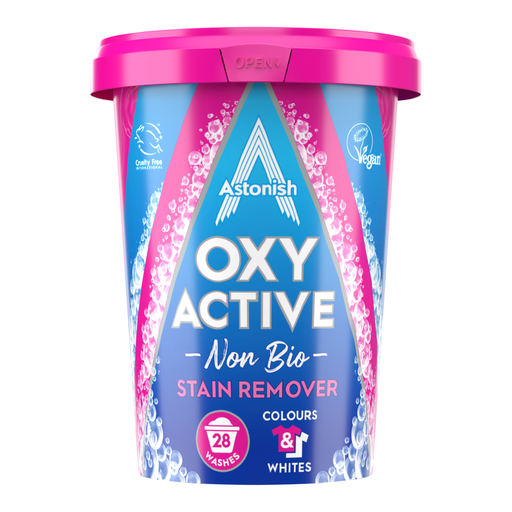
Why This Fits Their Persona: A practical powder for households wanting one product for routine loads, soaking and pre-treatment without buying several specialist formats.
It clearly lists use in washing machines, hand washing, soaking and pre-treatment, reducing the need to rely on a vague all-purpose claim.
Oxygen-based bleaching agents; suitable for both whites and colours when used according to the label.
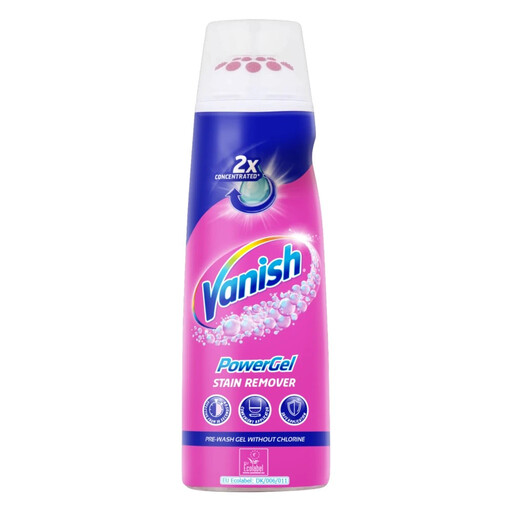
Why This Fits Their Persona: Suitable for shoppers who prefer controlled, targeted application on cuffs, collars and individual marks rather than treating a full wash.
The applicator head supports precise dosing, while the instructions specify a maximum leave-on period of up to five minutes.
Gel format for targeted pre-treatment; listed for coloured and white fabrics, excluding wool and silk.
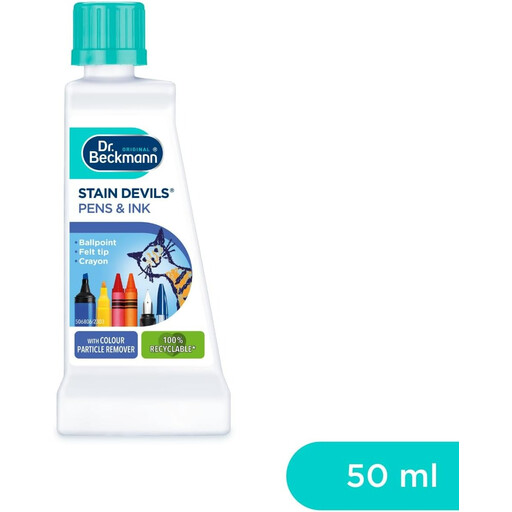
Why This Fits Their Persona: Useful for families, students and office households regularly dealing with pen, marker, paint or craft-related marks.
It is made for specific pigment stains rather than presenting itself as a universal laundry solution, and the product information states that it cannot remove permanent black ink.
Compact 50ml tube; bleach-free formula listed for colourfast washable garments and emergency pre-treatment.
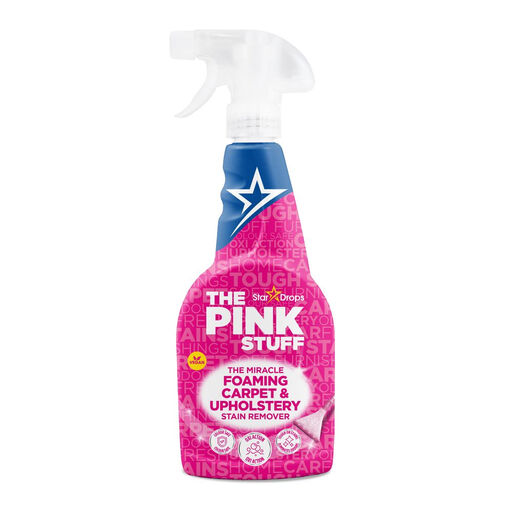
Why This Fits Their Persona: A suitable format for pet owners, families and households dealing with spills on sofas, rugs, car interiors or other soft furnishings.
It is labelled specifically for carpets and upholstery, with instructions to test an inconspicuous area and allow the surface to air-dry.
Foaming application for fabric surfaces; intended for stains such as coffee, wine, fruit juice and grease.
Choose a product specifically labelled for colours or colourfast fabrics, such as a suitable oxygen-based formula. Always test a hidden area first, especially on dark or newly dyed garments. Avoid products intended exclusively for whites, as these may contain whitening agents that are not appropriate for coloured clothing.
Powder is generally convenient for repeated full-load washing, soaking and larger quantities of laundry. Gel is more suitable when you only need to treat isolated stains. Compare the stated dosage, pack size and frequency of use rather than judging value by the shelf price alone.
Only use a product that specifically lists carpets or upholstery on its packaging. Laundry formulas are not automatically suitable for household furnishings. Test a concealed area, follow the contact-time instructions and avoid delicate materials such as velvet, silk or unsuitable oriental rugs where the label excludes them.