Noisy-flat solo diarists
You record one voice around fans, appliances, neighbouring activity or room echo, and can take time to position the microphone and check a short recording.


Choose a compact wireless microphone if you move around while recording, switch between phone and camera, or sometimes need a second speaker. A wired TRRS lavalier is a simpler option for stationary solo recordings on a phone with a compatible input or adapter. Neither route makes a loud room disappear: place the microphone close to your voice and listen back to a short test before recording.
You record one voice around fans, appliances, neighbouring activity or room echo, and can take time to position the microphone and check a short recording.
You record mainly on a smartphone and want a connection that suits its port, your adapter and the amount of setup you are comfortable with.
You may switch between phone and camera or record a companion, making the number of transmitters, receiver type and charging routine part of the decision.
For a noisy-flat travel diary, decide whether movement and device flexibility justify a wireless kit before comparing noise-processing claims. A wired phone lavalier remains an option when you mostly record one person in one place.
Consider it when: You move during a take, change recording devices or need a separate microphone for another speaker.
Trade-off: Transmitters need charging, and the receiver or adapter must suit the recording device. Noise processing cannot eliminate every sound in the room.
Consider it when: You record stationary, solo pieces on a phone with a compatible 3.5 mm input or CTIA-compliant adapter.
Trade-off: The cable limits movement and can brush against clothing; phones without a suitable input need the right adapter.
| Concern | What to check | Who this matters to |
|---|---|---|
| Speech against room noise | Check the exact model’s noise controls and mounting method; test a recording with your usual background noise present. | If fans or nearby activity compete with my voice, I need speech to remain understandable rather than assuming a noise setting will erase the room. Around 36% of consumers put this concern first. |
| Phone and camera connections | Match your device’s input to the supplied receiver, plug or adapter, and check the contents of the exact version. | When I change between travel-diary devices, I need a microphone I can actually connect without discovering that I bought the wrong version. For around 29% of consumers, connection flexibility is the primary need. |
| Simple solo recording | For a wired phone microphone, confirm a TRRS input or suitable CTIA-compliant adapter and consider cable placement. | If I sit down to record alone, I would rather manage a cable than pair and charge a wireless kit. A straightforward wired setup comes first for around 21% of consumers. |
| Occasional second speaker | Check whether the package contains one or two transmitters and a receiver suited to your recording device. | When a companion joins my diary, I need to know whether both voices can have their own microphone. Around 14% of consumers prioritise that two-person option. |
DJI describes Mic Mini noise settings for sounds including fans and air conditioning, not complete isolation. A lavalier placed too low can also pick up more room sound relative to speech.
Position the capsule near the centre of your chest, keep clothing clear of it and listen to a short recording with the usual room noise present. Turn off controllable appliances where practical.
A phone-focused TRRS plug, a locking TRS plug and USB-C, Lightning or camera receivers serve different connections. Hollyland lists separate LARK M2 versions, while RØDE distinguishes its smartphone and locking-TRS lavaliers.
Check your recording device’s port and the connector standard, then confirm what comes in the exact package.
A mismatched connection may mean obtaining a compatible adapter or receiver separately.
DJI distinguishes a one-transmitter Mic Mini package for solo recording from a two-transmitter package for two-person recording. Extra kit also means more equipment to carry and charge.
Base the package choice on how often you record a separate second speaker, and check the included transmitter count before ordering.
Ofcom notes that licence-exempt wireless ranges can be shared with other low-power equipment and subject to interference.
For an important take, test and listen back in the room where you will record rather than relying on the wireless specification alone.
DJI Mic Mini is relevant if you want a compact wireless setup with a choice of noise settings and solo or two-person packages.
Hollyland LARK M2 offers a small wireless clip-on format with mobile and camera versions.
Shure MVL is a wired option for close speech recording on a compatible phone or tablet.
RØDE has wired lavaliers for different connection paths, including direct smartphone use and compatible wireless equipment.
These wireless options are relevant if you want to move while recording a solo travel diary. Check each kit’s connection and included parts against your device; a noise-cancellation label alone cannot tell you how your voice will sound in your flat.
 No image available
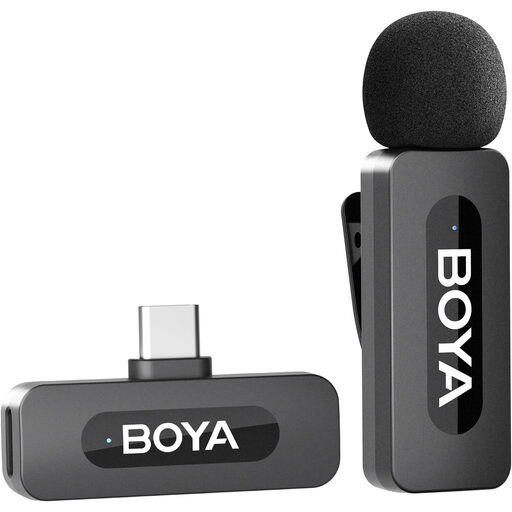
Consider this single-transmitter kit for solo recording if your phone accepts its USB-C microphone connection.
The title lists one-click noise cancellation and a 9-hour battery-life claim. Test speech with your usual room noise present rather than assuming that the setting will remove it.
 No image available
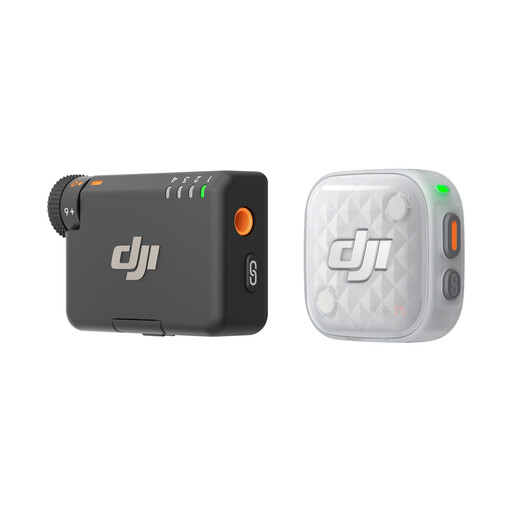
This package is presented as a solo mobile-recording option; confirm that its receiver connects to your phone.
The title names one transmitter, one mobile receiver and a charging case. Check the included items in the exact package, particularly if you plan to record a second speaker.
 No image available
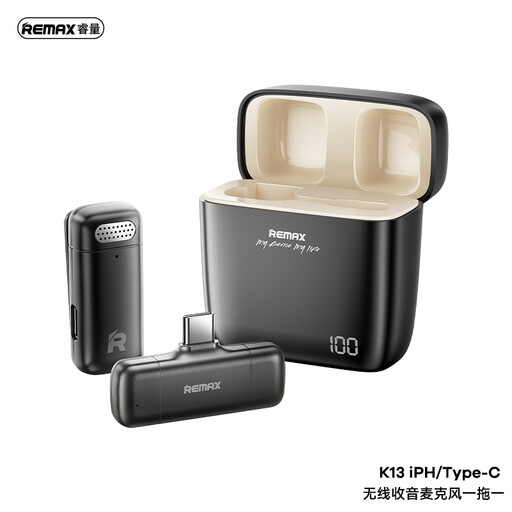
Consider this 1-to-1 wireless option if your recording device supports its USB-C connection.
Confirm compatibility with your particular phone, tablet or camera, and make a test recording in the flat before relying on it for a diary take.
Only when the phone’s input matches the microphone or you use a suitable adapter. Shure specifies a 3.5 mm TRRS plug for the MVL and use with compatible mobile inputs or an appropriate CTIA-compliant adapter; if your phone has no 3.5 mm input, check that the adapter accepts microphone audio.
Start near the centre of your chest, with fabric clear of the capsule. DJI’s placement guidance suggests roughly 15–20 cm below the chin; listen back to a short take with your normal room noise present and adjust if clothing rub or room sound competes with your voice.
One transmitter suits a solo diary; consider two when you need a separate microphone for a companion or interview subject. DJI distinguishes its one-transmitter Mic Mini package from its two-transmitter package, so check the contents of the particular kit you choose.