What matters when choosing?
Check the recording device’s input first, then decide whose voices need to be clear and where the microphones can sit without rubbing against clothing.
| Concern |
What to check |
Who this matters to |
| Clear speech in the room |
Check the clip and windscreen, then make a short test recording in the interview room with the cable secured. |
I need the narrator’s words to remain understandable despite room sound and movement. Around 29% of consumers put clear speech in the interview setting first. |
| Device connection |
Match the microphone plug and power requirements to the device’s microphone input; confirm that any adapter carries a microphone signal. |
If I am using a phone, recorder or camera I already own, the microphone has to connect to it. For around 29% of consumers, compatibility is the primary concern. |
| Both speakers |
Decide whether both voices need comparable clarity and, if so, check the number of usable microphone inputs or recording channels. |
When the questions need to remain in the archive, I cannot rely solely on a microphone worn by the narrator. Capturing both speakers comes first for around 18% of consumers. |
| Stable, unobtrusive placement |
Look for a secure clothing attachment and a cable you can keep clear of fabric and hands. |
I want the microphone to stay in place through a long conversation without drawing attention or picking up clothing movement. Around 24% of consumers prioritise placement and handling. |
Joybuy product choices
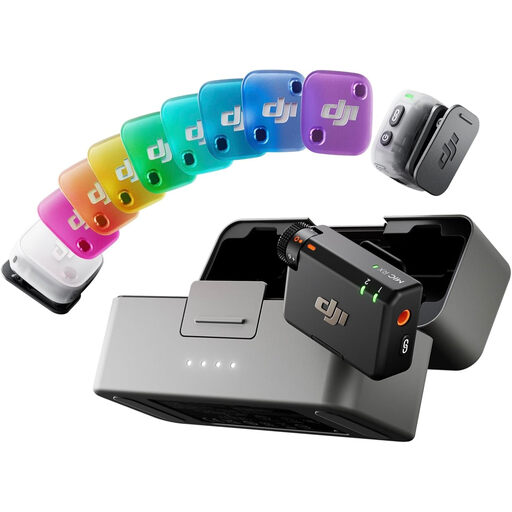
This wireless microphone set is worth considering if you plan to mic two interview participants; confirm its device connection, clothing attachment and recording arrangement before choosing it for oral history.
 No image available
DJI Mic Mini 2 (2 TX + 1 RX + Charging Case)
Consider this set when both interview participants may need a microphone, provided it works with your recording device.
The listed bundle has 2 TX and 1 RX. Check how each transmitter attaches to clothing and whether your setup captures both speakers as needed.
View on Joybuy
Frequently asked questions
Where should I clip a lavalier for an oral-history interview?
Attach it to stable clothing near the interviewee’s mouth, clear of rubbing fabric. The International Association of Sound and Audiovisual Archives advises a position about six inches (15 cm) from the mouth; listen to a short recording before the interview begins.
Can one lavalier record both interviewer and interviewee?
One lavalier may pick up both voices, but do not depend on it for balanced speech when the interviewer’s questions must remain clear. University of Leicester oral-history guidance suggests considering two microphones if the interviewer may sound too quiet; check that your recording setup can handle them.
Will any 3.5 mm lavalier work with my smartphone?
No: the connector and any adapter must carry a compatible microphone signal. Shure says its MVL works with most Android and iOS devices that have a TRRS 3.5 mm jack or an appropriate CTIA-compliant adapter, so check your own device before buying.
Does an oral-history project need to consider UK data protection?
If an organisation handles identifiable interview recordings, it should check which UK GDPR lawful basis applies and plan how recordings will be accessed, retained and published. The Information Commissioner’s Office provides guidance on consent, but consent should not be assumed to be the required basis for every project.


