Who each setup suits

Phone-first narrators

If you want to record speech directly to a phone or tablet, a wired mobile lavalier keeps the recording path simple once its plug and any adapter are confirmed to work with your device. Shure describes its MVL as a TRRS microphone for portable recording-capable devices; that connection is not automatically suitable for a TRS input.

Solo narrators recording longer takes

A self-contained lavalier recorder is relevant if you want an audio file independent of your phone or camera. Zoom’s F2 records 32-bit-float WAV files, which can ease gain management, but you still need to handle batteries, storage and file transfer.

Presenters who move or film their commentary

A wireless system can keep a cable from running to the recording device. If a transmitter-side file matters to you, check that the particular system provides onboard recording; wireless operation also calls for a test in the room where you will record.

What to check before buying

Start with where the commentary file will be recorded, then decide whether independent recording or freedom of movement matters more than a direct wired connection.

Wired lavalier to a phone or tablet

Choose it when: Your phone or tablet can accept the microphone’s connection, directly or through a confirmed adapter.

Trade-off: A phone-oriented TRRS plug does not automatically work with a TRS transmitter or recorder.

Standalone lavalier recorder

Choose it when: You want to capture a solo narration independently of a phone or camera, particularly across longer takes.

Trade-off: You must manage batteries and files, and synchronise the audio if you film separately.

Wireless system with onboard recording

Choose it when: You need to move away from the recording device or want a transmitter-side recording while filming.

Trade-off: Charging, pairing and possible radio interference add steps that a stationary wired setup avoids.

Concern What to check Who this matters to
Device and connector compatibility Identify the recording device’s microphone input, then confirm the lavalier’s plug, any adapter and its power requirements against that exact device. If I am recording directly to my phone or existing recorder, I need the microphone to connect and work before its other features matter. Around 36% of consumers would put connection compatibility first.
Long-take recording Check the recording format, storage and battery arrangements; if filming separately, plan how you will synchronise the audio. For a lengthy solo script, I want a dependable local file without having to watch levels throughout the take. Around 36% of consumers would make long-take recording their primary concern.
Wearability and movement Confirm the supplied mounting accessories and a workable clothing position; for wireless use, test the system in your recording room. If I am on camera or moving around the set, I need a microphone I can wear without disrupting the presentation. Around 28% of consumers would prioritise wearability and movement.

Mistakes that can disrupt a recording

  • Assuming that matching plug sizes mean matching connections

    A phone-oriented TRRS lavalier may fit a 3.5 mm socket without working correctly in a TRS transmitter. RØDE specifies different connections for its smartLav+ and Wireless GO II transmitter.

    Trace the connection from microphone to recording device, including the adapter and power requirements, before choosing a microphone.

  • Treating wireless range as an indoor promise

    DJI’s published Mic 2 maximum-distance figure comes from an unobstructed outdoor test without interference, not a home-studio test. Other devices sharing the radio environment can affect a wireless recording.

    Test your chosen system in the actual room under normal conditions. If you will remain seated, consider whether a wired microphone or standalone recorder meets the need without a wireless link.

  • Expecting 32-bit float to fix microphone placement

    Recording-format flexibility cannot remove clothing rustle, plosives or unwanted room sound from a poorly positioned lavalier.

    Make a short test at quiet and emphatic speaking levels, listen for contact noise, and check that your editing software accepts the recorder’s files.

  • Assuming every wireless setup has the same UK operating conditions

    Ofcom’s licence-exempt wireless-microphone ranges are subject to requirements; the conditions for a particular system and use still matter.

    Check the exact model’s operating configuration and conformity documentation. For event use or frequencies outside the intended licence-exempt route, check the applicable Ofcom rules before transmitting.

Relevant brands for reference

Shure

The MVL is a wired option for narration recorded to a compatible portable device.

  • Shure specifies an omnidirectional lavalier with a 3.5 mm TRRS plug, clip and foam windscreen. Its guidance suggests starting 15–25 cm from the mouth for speech.
  • The mobile-oriented connection is not a universal direct fit for TRS transmitters, cameras or recorders.

Zoom

The F2 pairs an included lavalier with a recorder for an independent narration file.

  • Zoom specifies mono 32-bit-float WAV recording to microSD, reducing reliance on setting gain before a take.
  • Batteries, compatible storage and file transfer remain part of the workflow; separately filmed video needs synchronisation.

RØDE

Its lavalier range covers different connection paths, including the locking-TRS Lavalier II and phone-oriented TRRS models.

  • RØDE specifies a low-profile omnidirectional design and locking 3.5 mm TRS connector for Lavalier II.
  • Connector types are not interchangeable without checking the system: RØDE identifies an adapter requirement when connecting its TRRS smartLav+ to a Wireless GO II transmitter.

Sennheiser

The MKE 2 is a miniature wired microphone to consider alongside an already compatible professional recording system.

  • Sennheiser describes an omnidirectional capsule with moisture protection and interchangeable response caps.
  • The microphone alone is not a complete recording setup; check the exact connector and system requirements.

DJI

Mic 2 illustrates a wireless route for narration recorded with a compatible camera or mobile workflow.

  • DJI specifies onboard 32-bit-float recording for Mic 2.
  • DJI’s maximum transmission figure is based on an unobstructed, interference-free outdoor test and should not be used to predict results in a home studio.

Joybuy wireless microphone kits to consider

These DJI kits are options to examine if a wireless recording setup suits your commentary. Before choosing either one for lavalier-style use, confirm how it mounts to clothing and whether it works with your intended recording device.
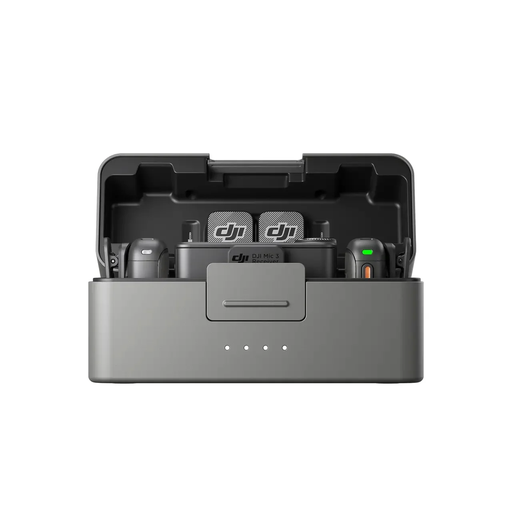
DJI Mic 3 kit with two transmitters, one receiver and charging case

DJI Mic 3, 2 TX + 1 RX + Charging Case

Consider this two-transmitter kit if your commentary involves movement or a second speaker. Confirm clothing-mounting options, compatibility with your recording device and the model’s UK operating documentation before use.

View on Joybuy
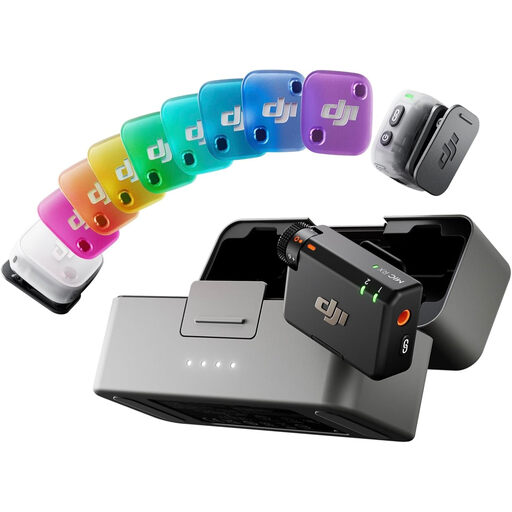
DJI Mic Mini 2 kit with two transmitters, one receiver and charging case

DJI Mic Mini 2, 2 TX + 1 RX + Charging Case

Consider this kit if you want to assess a two-transmitter setup for spoken commentary. Check clothing attachment and compatibility with your phone and recording app; if an independent backup file matters, confirm the recording options for this exact model.

View on Joybuy

Common questions

Can I record museum commentary straight to my phone with a lavalier?

Yes, if the phone, microphone and any adapter have compatible connections. Shure’s MVL has a 3.5 mm TRRS plug intended for portable recording-capable devices; a phone without a suitable socket needs a compatible connection route.

Will a phone lavalier work with a wireless transmitter?

Not automatically: the microphone and transmitter must use compatible connections. RØDE says its TRRS smartLav+ needs a TRRS-to-TRS adapter for a Wireless GO II transmitter, which accepts a TRS microphone connection.

Where should I clip a lavalier for spoken narration?

For the Shure MVL, start about 15–25 cm from your mouth, as Shure advises, then make a test recording. Check for clothing contact and plosives in the position you will actually use.

Does 32-bit-float recording make a test take unnecessary?

No. A recorder such as the Zoom F2 can make levels more flexible to adjust in editing, but the format cannot correct clothing noise, room sound or poor microphone placement. Listen to a short test before recording the full script.

Do I need a UK licence for a wireless lavalier at home?

Licence-exempt operation may be possible if the exact equipment and its use meet the applicable requirements. Ofcom lists 2.400–2.4835 GHz among licence-exempt wireless-microphone ranges, but that does not establish that every model or configuration qualifies. Check the product’s operating and conformity documentation; event use can involve different licensing considerations.