
24/7 Customer Support

Free returns

Same-day & Next-day Delivery

Quality Guaranteed

Unlock Your Welcome Offers: FREE Delivery | Up to 80% OFF | Free 30-day JoyPlus trial
Download the APP
Buying whole bean coffee can seem straightforward until you compare roast intensity, bean composition, pack sizes and brewing methods. The wrong choice may leave you with coffee that tastes too bitter, loses its aroma quickly or does not work well in your bean-to-cup machine.
This guide explains what to check before buying Lavazza coffee beans, including Lavazza espresso beans, decaffeinated options and larger packs for households, offices and cafés.
A roast rating indicates how developed the beans are during roasting, but it does not tell you everything about the finished cup. Two medium-roast blends may taste different depending on their origins, bean varieties and intended brewing method.
For example, a blend with chocolate and dried-fruit notes may work well with milk, while a lighter-tasting 100% Arabica coffee may suit black coffee or a longer filter brew. Use intensity as a starting point rather than the only selection criterion.
Whole bean coffee must be ground before use in an espresso machine, moka pot, French press or filter brewer. Bean-to-cup machines grind automatically, but they still have recommended settings for grind size and dose.
Coffee designed for espresso can taste thin in a French press if ground too finely, while a coarse French press grind may produce a weak espresso. Check your machine’s instructions and adjust the grinder gradually rather than changing several settings at once.
A 1kg bag can offer practical value for frequent drinkers, offices and cafés, but coffee begins to lose aroma after opening. If you drink only a few cups each week, several smaller packs may be more suitable.
Store opened beans in a cool, dry place away from heat, moisture and strong odours. Some product information recommends using opened coffee within around two weeks, so match the pack size to your household’s consumption.
The bean composition affects flavour, body and crema. 100% Arabica blends are often selected for a smoother, more aromatic cup, while blends containing Robusta can provide a fuller body and a more pronounced crema when prepared as espresso.
Neither choice is automatically suitable for everyone. A blend of Arabica and Robusta may be useful for cappuccinos and lattes because its stronger structure can remain noticeable through milk. If you prefer a softer black coffee, a 100% Arabica option may be worth considering.
Look for the stated intensity, roast level and recommended uses. Lavazza Qualità Rossa is listed with a medium roast and intensity level 5, with chocolate and dried-fruit notes. It is described as suitable for espresso, filter coffee, French press and moka pot brewing.
Other Lavazza espresso beans have a more pronounced profile. Barista Intenso is listed at intensity 7 and is intended for espresso and fully automatic machines, while Espresso Italiano Cremoso is listed at intensity 8 and is described as producing a persistent crema and chocolaty finish.
Choose 250g coffee beans when you want to try a blend or drink coffee occasionally. A 500g pack can suit regular home use, while 1kg coffee beans are more practical for high-volume households, offices, cafés and bean-to-cup machine owners.
Those avoiding caffeine should check the product description carefully. Lavazza decaffeinated coffee beans are available in a 500g pack and are described as decaffeinated roasted coffee beans. Decaffeinated does not necessarily mean completely caffeine-free, so check the packaging for the relevant product information if this distinction matters to you.
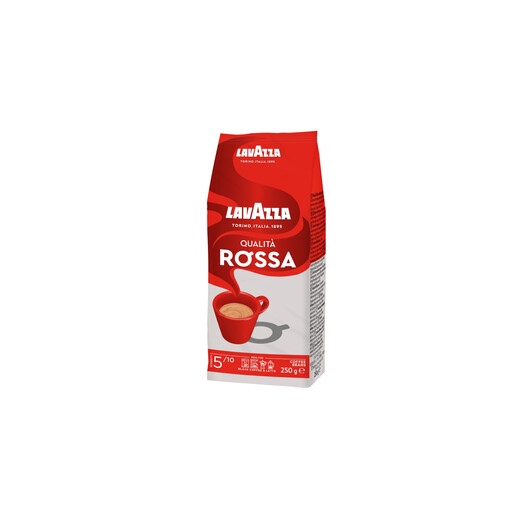
Why This Fits Their Persona: The 250g format lets new whole-bean coffee drinkers try a medium-roast Arabica and Robusta blend without committing to a larger bag. It can be used for espresso, moka pot, filter coffee or French press.
The stated intensity level 5 and medium roast provide clearer guidance than vague flavour wording, while the smaller pack reduces the risk of beans sitting open for too long.
Medium roast; chocolate and dried-fruit notes; suitable for black coffee or drinks with milk.
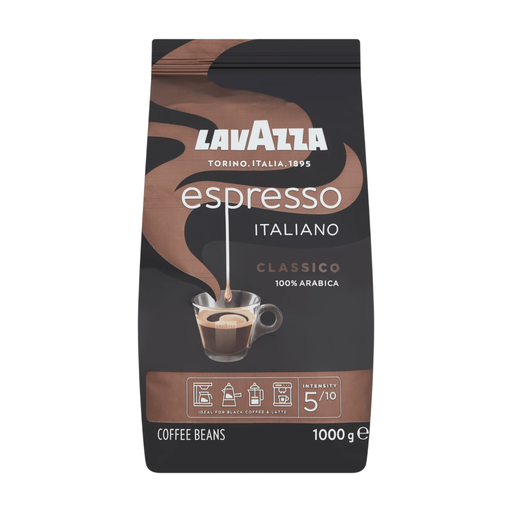
Why This Fits Their Persona: This 1kg option contains 100% Arabica beans and is aimed at shoppers who prioritise a smoother, aromatic cup for espresso, filter, French press or drip brewing.
The ingredient information identifies the blend as 100% Arabica, helping shoppers distinguish it from products that use broad Italian-style wording without specifying bean composition.
100% Arabica beans; 1kg quantity; adaptable across espresso and longer brewing methods.
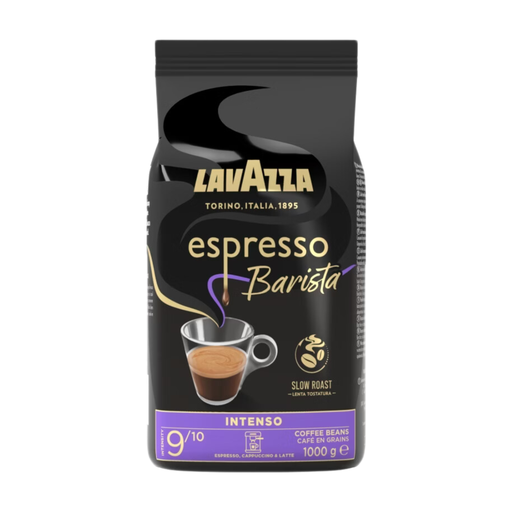
Why This Fits Their Persona: Frequent drinkers, shared households and office kitchens may prefer the 1kg pack and intensity level 7 profile. It is listed for espresso and fully automatic machines, with alternative use after grinding.
The stated intensity and machine guidance make it easier to assess before buying, while the larger pack matches higher consumption better than a small bag.
Intensity level 7; 1kg pack; listed as suitable for bean-to-cup and espresso machines.
We have compiled a complete, real-time list of products that fully satisfy these strict selection criteria and UK safety regulations.
Many Lavazza blends are suitable for bean-to-cup machines, including Barista Intenso and Qualità Rossa. Check your machine’s manual for compatible beans, grinder settings and cleaning instructions. Start with a medium setting and adjust the grind only if the coffee runs too quickly or slowly.
Follow the storage guidance on the packaging. As a practical measure, keep beans sealed in a cool, dry place and use them promptly after opening. Buying 250g or 500g packs can help occasional drinkers avoid storing an opened 1kg bag for an extended period.
French press brewing generally requires a coarse grind, regardless of the original bean blend. Qualità Rossa, Barista Intenso and Espresso Cremoso are listed as suitable for French press once ground correctly. Avoid using espresso-fine grounds, as they can produce a muddy cup and make pressing more difficult.