
24/7 Customer Support

Free returns

Same-day & Next-day Delivery

Quality Guaranteed

Unlock Your Welcome Offers: FREE Delivery | Up to 80% OFF | Free 30-day JoyPlus trial
Download the APP
As a Joybuy Product Recommendation Officer, my role is to help you navigate the crowded market of baby essentials. When it comes to transitioning your little one to their first cup, the promise of a "leak-proof" design can feel like a lifesaver. Yet, many parents in the UK find themselves with a cupboard full of cups that failed to live up to that promise, leading to soggy changing bags and frustrating clean-ups.
The search for the perfect leak-proof baby straw cup often comes with a few common pitfalls. Understanding these ahead of time can save you both money and mess.
To avoid these traps, focus on a few core parameters that separate a genuinely useful cup from a disappointing one.
A truly non-spill baby beaker relies on more than just a tight lid. Look for cups with a dedicated valve system designed to be both leak-proof and shake-proof. Some brands have developed specific technologies, like two-piece valves that seal completely when not in use but still allow for easy drinking. A key indicator of a robust design is one that explicitly states it can be turned upside down without leaking.
Safety and cleanliness are non-negotiable. Always ensure a cup is made from BPA-free materials. Beyond this baseline, consider features that simplify your cleaning routine. Cups with fewer, easy-to-disassemble parts are ideal. Look for options that are top-rack dishwasher safe and, importantly, come with a small brush for cleaning the straw. For added peace of mind, some models now feature an antibacterial baby cup straw, which incorporates materials that help reduce the build-up of microbes.
The design should be tailored to a baby's abilities. As a first cup for baby 6 months, a weighted straw cup for baby is an excellent feature. The weight at the end of the straw follows the liquid, allowing your child to drink from any angle without having to tilt the cup perfectly. Also, check for soft, bite-resistant straws that are gentle on teething gums and easy-grip handles designed for tiny hands to hold securely. This thoughtful design makes the toddler training cup an effective tool for building confidence.
Based on these practical criteria, here are a few options matched to different parental needs.
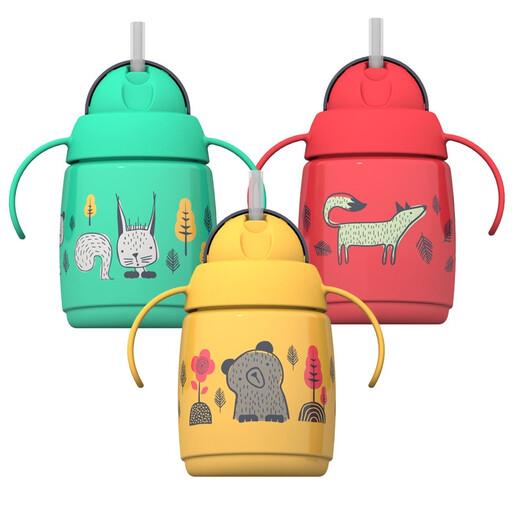
Why This Fits Their Persona: This cup is designed to make the initial transition from bottle to cup as smooth as possible. It addresses the common frustrations of early learning with features that build confidence for both baby and parent.
It directly counters the "leak-proof illusion" with its INTELLIVALVE anti-leak technology. The BACSHIELD antibacterial straw also addresses the hygiene hazard by reducing microbial growth.
The weighted straw allows the baby to drink from any angle, preventing frustration. The soft, bite-resistant silicone is gentle on sensitive gums.

Why This Fits Their Persona: This cup is for the parent who has experienced the frustration of trying to clean a regular straw cup and is looking for a truly simple and hygienic solution without needing fiddly brushes.
It completely eliminates the "hidden hygiene hazard" with a unique straw that zips open, allowing you to scrub the inside thoroughly with a regular sponge. No hidden mould traps.
The innovative zip-open straw design makes it exceptionally easy to clean. It also features a spill-proof valve to prevent messes.
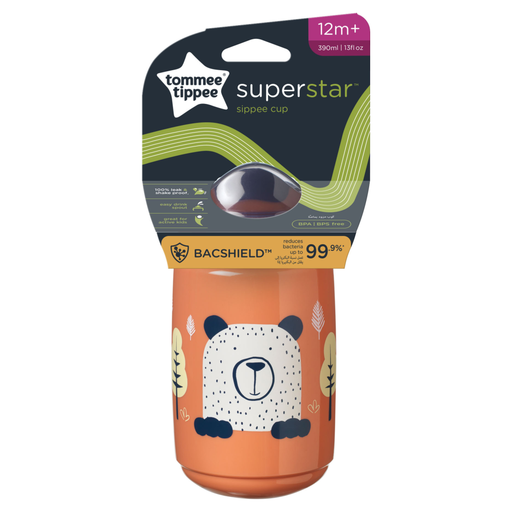
Why This Fits Their Persona: Ideal for keeping active, thirsty toddlers hydrated throughout the day. Its larger capacity and durable, ergonomic design are built for life on the move, from playground trips to long car journeys.
This cup is designed to withstand the drops and tumbles of toddler life. The INTELLIVALVE ensures it is shake-proof, and the bite-resistant spout holds up against teething.
The generous 390ml capacity means fewer refills. Its ergonomic shape is easy for toddlers to grip and hold independently.
We have compiled a complete, real-time list of products that fully satisfy these strict selection criteria and UK safety regulations.
1. When should I introduce a straw cup to my baby? Most health advisors suggest introducing a cup around 6 months of age, which often coincides with the start of weaning. A straw cup can be a great first choice as it helps develop the oral muscles needed for speech. Look for a cup specifically labelled as a first cup for baby 6 months to ensure it's designed for this early stage.
2. How do I properly clean a leak-proof straw cup to prevent mould? Disassemble the cup completely after every use—this includes removing the straw, valve and any other separate components. Wash all parts in warm, soapy water. Use the small brush that often comes with the cup to scrub the inside of the straw thoroughly. Rinse well and allow all parts to air dry completely before reassembling. Many cups are also top-rack dishwasher safe, which can aid in sanitisation.
3. What is the difference between a sippy cup and a straw cup? The main difference is the mouthpiece. A traditional sippy cup, like the Tommee Tippee sippy cup range, often has a hard or soft spout that requires the child to tip the cup up to drink, similar to a bottle. A straw cup encourages a more advanced sipping skill where the child doesn't need to tilt the cup, which can be better for oral development. Many parents use both as part of the transition to an open cup.