
24/7 Customer Support

Free returns

Same-day & Next-day Delivery

Quality Guaranteed

Unlock Your Welcome Offers: FREE Delivery | Up to 80% OFF | Free 30-day JoyPlus trial
Download the APP
Frizz rarely has one single cause. Dry ends, porous colour-treated hair, curl pattern, heat styling and damp UK weather can all make strands look rough or difficult to manage. A suitable leave-in conditioner for frizzy hair can add slip, reduce static and make styling easier, but choosing the wrong formula may leave hair greasy, flat or coated.
This guide explains the practical features to check before buying, then matches selected products to different hair types and routines.
A product may promise intense moisture but still feel unsuitable for fine or low-density hair. Rich oils, waxes and heavy silicones can make hair appear limp when too much is applied, particularly near the roots.
For lightweight hydration, look for a mist or serum designed for mid-lengths and ends. A moisturising leave-in conditioner should improve softness and detangling without requiring a large amount of product.
A smoothing product is not automatically a heat protection hair serum. Some formulas are designed for humidity control or shine, while others specifically list protection for heated styling tools. Check the packaging and directions for a stated temperature rating or heat-protection instruction.
If you regularly use a hairdryer, straighteners or a curling wand, select a product whose listed features match that routine rather than relying on general “smoothing” language.
Some anti-frizz sprays are heat-activated and need a thorough blow-dry to work as directed. Others are leave-in mists that can be sprayed onto damp or dry hair for refreshment. A treatment that does not fit your routine may be inconvenient, even if its ingredient list looks appealing.
Also check the size. A 40–50ml bottle can be useful for a handbag or holiday, while 150–210ml formats are generally more practical for regular use.
Fine, straight or easily weighed-down hair often suits a water-based mist or a small amount of serum. Thicker, curly, coily or highly porous hair may need a more conditioning formula. Apply leave-in products from the mid-lengths to the ends, avoiding the scalp unless the label specifically says otherwise.
Ingredients such as glycerin, panthenol and conditioning agents can support a softer, more manageable feel. Silicones such as dimethicone or amodimethicone may help smooth the surface and improve slip, but personal tolerance and buildup preferences vary.
Humidity-resistant hair products generally work by creating a surface layer that helps limit moisture exchange with the surrounding air. Heat-activated sprays may need tension from a brush and a complete blow-dry. Curl products may instead be used with a diffuser or left to air-dry, depending on the instructions.
For damp British weather, look for a product that specifically lists humidity or moisture resistance. Avoid treating an unquantified “smooth finish” as a guaranteed duration.
If you have bleached, chemically processed or colour-treated hair, check whether the product is described as suitable for that use. Read the full ingredient list, especially if you avoid fragrance, certain preservatives or particular oils.
UK cosmetic products should display required product information, including ingredients and safety directions. Always follow the label, keep products away from the eyes and stop using them if irritation occurs.
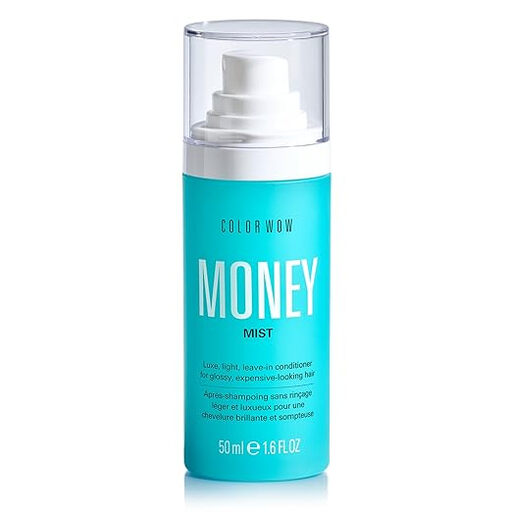
Why This Fits Their Persona: The 50ml format is a practical way to try a lightweight leave-in conditioner or keep one in a work bag, gym kit or weekend luggage.
Its spray format helps control dosage, reducing the risk of applying too much product to fine or easily weighed-down hair.
Designed for use on damp or dry hair; listed features include detangling, shine, frizz, static and flyaway control.
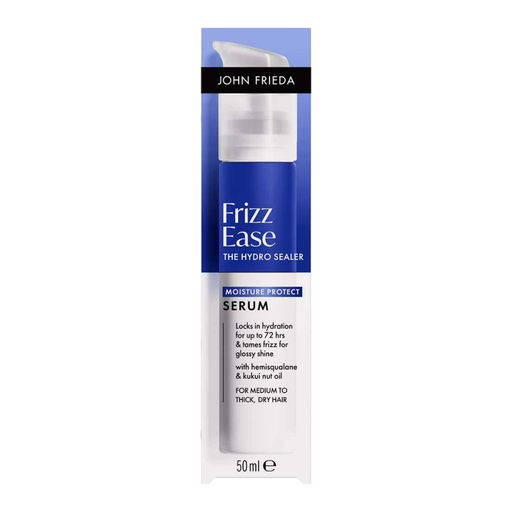
Why This Fits Their Persona: A useful match for dry, dehydrated or heat-styled hair where moisture control and a defined heat-protection feature matter.
The listing specifies heat protection up to 230°C and humidity-related frizz control, rather than leaving these features implied.
A 1–2 pump application is directed towards mid-lengths and ends; the formula is described as lightweight and suitable for colour-treated hair.
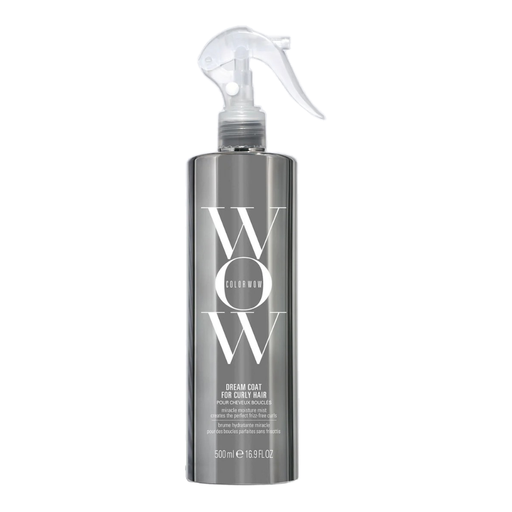
Why This Fits Their Persona: This larger format is suited to regular curl routines where maintaining definition and reducing puffiness is a recurring concern.
It is specifically described for curly, coily and wavy hair, reducing the risk of choosing a straight-hair smoothing spray that may flatten texture.
The listed directions allow use with a diffuser or air-drying; the formula is described as non-crunchy and humidity-resistant.
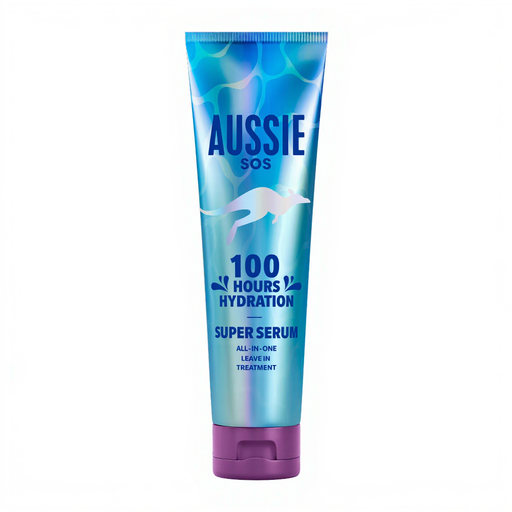
Why This Fits Their Persona: A practical option for dry, damaged hair that needs detangling, softness and a leave-in step after washing or during the week.
The directions explain how the cream changes to a liquid when rubbed between the palms, helping distribute a controlled amount through the lengths.
The product is listed as suitable for damp or dry hair and includes dimethicone, betaine and macadamia seed oil in its ingredient list.
We have compiled a complete, real-time list of products that fully satisfy these strict selection criteria and UK safety regulations.
It can be useful for adding slip, reducing static and improving manageability, particularly when frizz is linked to dryness or rough-feeling lengths. Choose the formula according to hair density and apply mainly to the ends. A leave-in product will not replace a rinse-out conditioner or solve every cause of frizz.
Only use it as a heat-protection product when the packaging specifically lists heat protection or gives a temperature rating. Otherwise, pair it with a separate heat protection hair serum or spray that is suitable for your styling tool and temperature.
Duration depends on the formula, washing frequency, hair porosity, styling method and weather. Some products are intended for daily use, while heat-activated smoothing treatments may be directed for use every three to four shampoos. Treat stated durations as product-specific guidance and follow the label rather than applying extra product for longer-lasting results.