
24/7 Customer Support

Free returns

Same-day & Next-day Delivery

Quality Guaranteed

Unlock Your Welcome Offers: FREE Delivery | Up to 80% OFF | Free 30-day JoyPlus trial
Download the APP
Dry ends, static, frizz and difficult detangling can make a simple wash-and-style routine feel unnecessarily complicated. A leave-in conditioner can add moisture, soften the lengths and make hair easier to comb without the rinse-out step. However, the right formula depends on your hair texture, styling habits and tolerance for fragrance, silicones or richer ingredients.
The product description alone does not always tell you whether a formula will suit fine waves, thick curls or colour-treated hair. This guide explains the buying details that matter, common traps to avoid and our top recommendations for different UK shopper profiles.
A product described as “intensive” or “nourishing” may contain richer conditioning agents, oils or butters. These can be useful for coarse or very dry hair, but may flatten fine hair or leave roots looking greasy when applied too generously.
For a lightweight leave-in conditioner, look for a spray or mist format and apply mainly from the mid-lengths to the ends. Creams are often more suitable for thick, curly or highly porous hair, but should still be introduced in a small amount.
Some anti-frizz products condition and detangle, while others are styling treatments designed to form a smoothing film or activate with heat. A heat-activated spray may not deliver the intended finish if it is simply applied and left to air-dry.
Check the directions carefully. If the product requires thorough blow-drying, it is better suited to shoppers who regularly use a hairdryer than to those who prefer air-drying. For everyday moisture and quick touch-ups, a hair detangler spray may be more practical.
Terms such as “repair”, “humidity-proof” or “salon-worthy” are marketing descriptions rather than a promise that every user will achieve the same result. Hair condition, porosity, weather and styling technique all affect the finish.
Read the ingredient list, size and usage instructions before buying. If you have a sensitive scalp or fragrance sensitivity, remember that several leave-in products contain parfum and listed fragrance allergens. Stop using a product if irritation occurs and follow the packaging warnings.
Choose the format around your hair’s needs:
Avoid applying most leave-in products directly to the roots unless the label specifically recommends it. Concentrating product on the ends helps preserve volume.
If you use straighteners, curling tools or a hairdryer, choose a heat-protecting leave-in conditioner with clear instructions. Some listed products specify protection up to a stated temperature, such as 220°C or 230°C. Treat that figure as the product’s stated limit, not permission to use maximum heat every day.
Use the lowest practical temperature, distribute the product evenly and allow hair to dry before using hot irons. A product that protects during styling does not remove the need for sensible heat habits.
For damp UK weather, a humidity-resistant hair treatment may help smooth the surface of the hair and reduce visible puffiness. Heat-activated anti-frizz sprays are generally a styling step rather than a replacement for conditioning.
If your hair is dyed, bleached or chemically processed, check whether the packaging states that the product is suitable for colour-treated hair. This is more useful than assuming every smoothing product is automatically colour-safe. Also check the bottle size: 40ml–75ml formats are convenient for handbags or travel, while 150ml–250ml bottles are more practical for regular use.
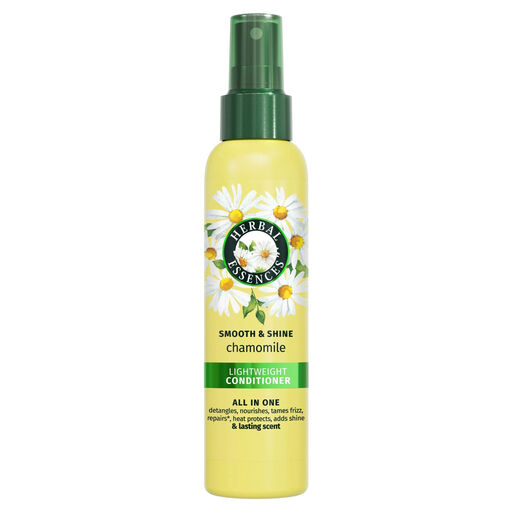
Why This Fits Their Persona: A compact all-in-one spray for shoppers wanting detangling, shine and frizz management in one everyday step.
The lightweight spray format helps reduce the risk of overloading fine or normal hair, provided it is applied through the lengths rather than the roots.
145ml size; designed to detangle, smooth, add shine and provide stated heat protection.
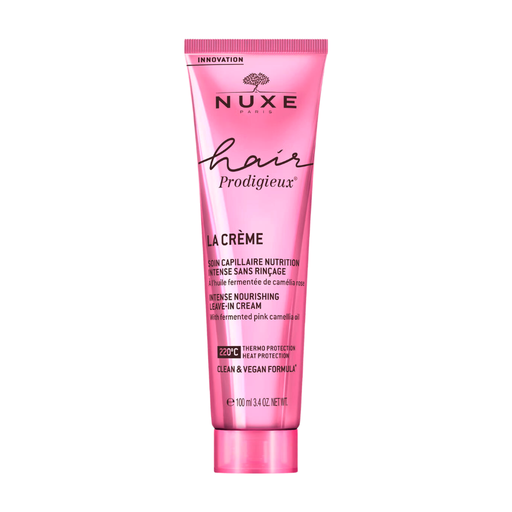
Why This Fits Their Persona: Suits shoppers seeking a cream texture, botanical oils and a refined fragrance for dry or damaged-looking lengths.
Its directions recommend a small amount on the lengths and ends, helping users avoid the greasy finish associated with excessive cream application.
Silicone-free formula; stated heat protection up to 220°C; can be used on damp or dry hair.
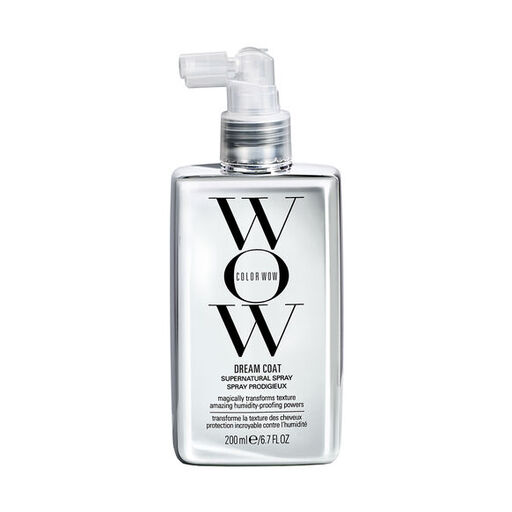
Why This Fits Their Persona: Designed for shoppers who frequently blow-dry and want a dedicated humidity-focused smoothing step for frizz-prone hair.
The instructions clearly state that blow-drying activates the formula, so buyers can match it to a heat-styling routine rather than expecting identical results from casual application.
200ml format; heat-activated anti-frizz spray; stated suitability for colour-treated hair.
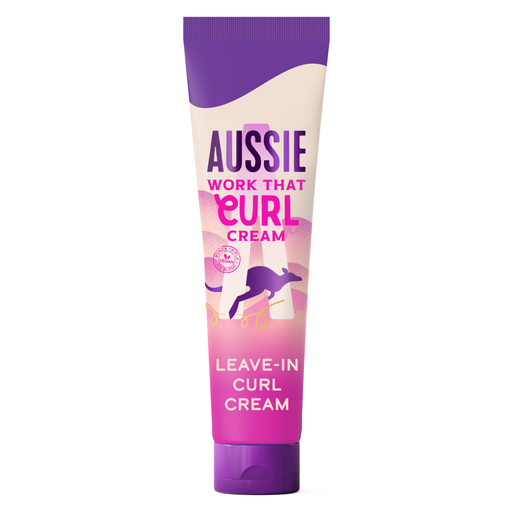
Why This Fits Their Persona: A practical option for shoppers with 2B–3B curls who want one product for damp-hair styling and dry-hair refreshes.
It is positioned specifically as a leave-in defining curl cream, reducing the guesswork involved in adapting a straight-hair smoothing product to curls.
160ml size; intended for damp or dry curls; provides stated humidity protection and definition.
We have compiled a complete, real-time list of products that fully satisfy these strict selection criteria and UK safety regulations.
Many leave-in conditioners are designed for regular use, but daily application is not automatically necessary. Fine hair may need only a light mist after washing, while dry or curly hair may benefit from refreshment between washes. If hair begins to feel coated, limp or difficult to style, reduce the quantity or clarify according to your normal routine.
Yes, provided the formula matches the curl’s moisture and styling needs. A leave-in conditioner for curly hair can improve softness and detangling, while a curl-defining cream adds shape and hold. Apply in sections to damp hair and scrunch or diffuse if directed.
Shelf life depends on the product, storage and frequency of use. Check the packaging for the manufacturer’s date or open-jar period. Store it away from excessive heat and direct sunlight, keep the cap closed and avoid contaminating the nozzle or bottle opening. A 50ml travel format may be useful for occasional use, while a 150ml–250ml bottle generally offers a more practical supply for frequent routines.