
24/7 Customer Support

Free returns

Same-day & Next-day Delivery

Quality Guaranteed

Unlock Your Welcome Offers: FREE Delivery | Up to 80% OFF | Free 30-day JoyPlus trial
Download the APP
A leave-in conditioner can simplify wash days, improve detangling and help control frizz between washes. However, choosing by fragrance, packaging or a bold front-label promise can leave you with hair that feels greasy, stiff or still difficult to manage.
The right product depends on your hair texture, condition and routine. A lightweight mist may suit fine hair, while dry curls or bleached lengths may need a richer cream. Before buying, check the formula, application instructions and any stated heat-protection level rather than relying on phrases such as “salon finish” or “long-lasting repair”.
Some leave-in treatments are designed mainly to detangle or moisturise. Others specifically list heat protection and provide a maximum temperature. If you regularly use a hairdryer, straighteners or curling tools, look for a clear temperature specification, such as up to 220°C, 230°C or 450°F, and follow the product directions.
Do not assume that an oil, hair serum or conditioning spray automatically protects against heat.
Butters, oils and heavy silicones can be useful for coarse, porous or damaged hair, but may flatten fine hair. A lightweight leave-in conditioner or mist is generally easier to distribute through fine lengths. Apply from the mid-lengths to the ends and avoid the scalp unless the label says otherwise.
Phrases such as “100 hours of hydration”, “repair” or “glass-like shine” describe a product’s positioning, not a guaranteed result for every user. Hair condition, humidity, styling habits and the amount applied all affect the outcome. Check the ingredient list for conditioning agents, humectants, oils and fragrance allergens, particularly if your scalp or skin is sensitive.
Sprays and mists are convenient for fine, straight or mildly dry hair. Creams are often easier to work through curls and textured hair, while a hair serum can provide a smoother finish for dry ends and flyaways.
Look for practical directions:
For an anti-frizz leave-in conditioner, conditioning polymers and silicones can help smooth the hair surface and reduce static. If you prefer a silicone-free formula, check the full ingredients rather than relying on front-label wording.
For leave-in conditioner for dry hair, glycerin, panthenol, oils and butters may support a softer feel. For leave-in conditioner for damaged hair, look for conditioning agents, proteins or amino acids, while remembering that cosmetic products improve feel and manageability rather than permanently restoring broken hair.
If you have curls, choose a curl-defining leave-in conditioner with directions for scrunching, refreshing or diffusing. For colour-treated hair, select a formula specifically described as suitable for coloured or chemically processed hair and avoid unnecessary friction during application.
Those who style frequently should prioritise a heat-protective leave-in conditioner with a stated temperature limit. Apply evenly before using heated tools and do not exceed the product’s listed limit.
Size also matters. A 50ml bottle is convenient for hand luggage and gym bags, while 150–210ml formats are more practical for regular home use. Always check current airline requirements before travelling with liquids.
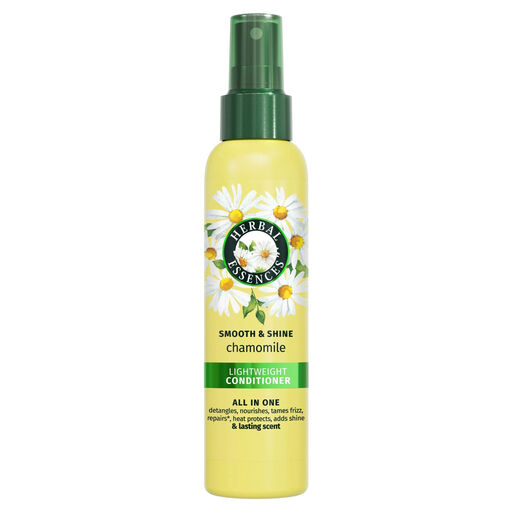
Why This Fits Their Persona: A compact, multi-purpose option for shoppers starting a simple no-rinse routine, including commuters and students in the UK.
Its lightweight spray format helps reduce the risk of over-applying a rich cream to fine or normal hair.
145ml format; listed as vegan, cruelty-free and silicone-free, with detangling and shine-focused features.
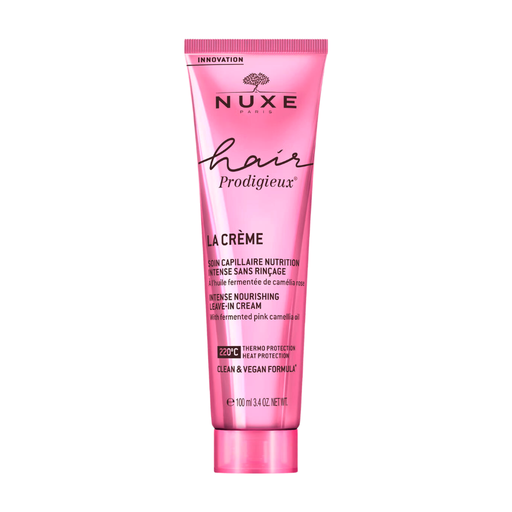
Why This Fits Their Persona: Suits shoppers wanting a refined cream texture, botanical ingredients and a fragranced finishing step before styling.
The directions specify a small amount applied to lengths and ends, helping avoid greasy roots or loss of volume.
100ml silicone-free and vegan formula; product information lists heat protection up to 220°C.
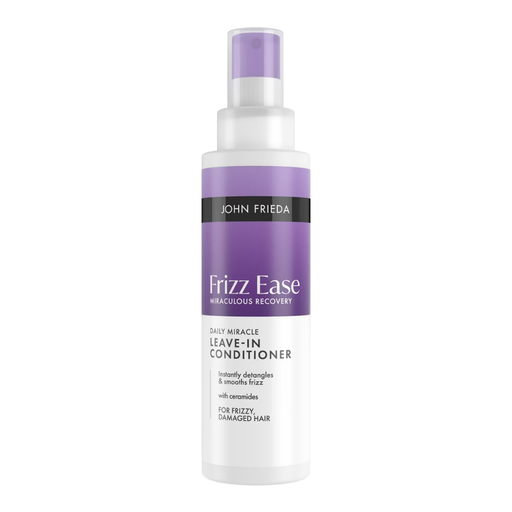
Why This Fits Their Persona: A practical match for frequent heat styling, dry lengths, humidity and colour-treated hair.
The listing clearly states its heat-protection temperature and suitability for colour-treated hair, rather than leaving these points implied.
200ml size; includes argan oil and hydrolysed keratin, with listed heat protection up to 230°C.
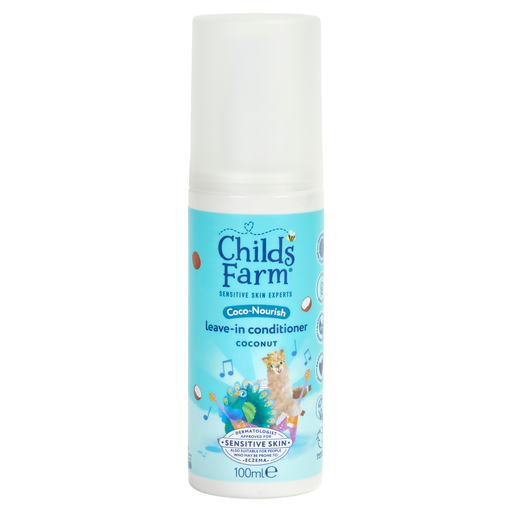
Why This Fits Their Persona: Designed for families managing curly hair, with product information stating suitability for children aged 0+ months.
The curl-focused directions explain how to spray on wet or dry hair and detangle with fingers or a comb.
100ml spray; contains coconut, shea, baobab and tamanu oils and butters; listed as vegan-friendly and cruelty-free.
We have compiled a complete, real-time list of products that fully satisfy these strict selection criteria and UK safety regulations.
Usually, no. A rinse-out conditioner and a leave-in conditioner serve different roles. Rinse-out conditioner is applied during washing and removed, while leave-in conditioner remains on the hair to support detangling, softness or styling between washes. Some multi-purpose products may be used alone, but follow the label.
Shelf life varies by product. Many cosmetics display a period-after-opening symbol, such as 12M, indicating the recommended use period after opening. Store the bottle in a cool, dry place away from direct sunlight and check the packaging for the latest batch and storage information.
Some lightweight sprays are designed for daily use, while richer creams and serums may be better used sparingly. Begin with a small amount, avoid the scalp and clarify or shampoo as needed if hair starts to feel coated. Always follow the product directions, particularly for children’s hair care and fragranced formulas.