Who each setup suits
Start with what you do most often during a lecture, then consider what the same device must handle afterwards. University of Leeds Library describes annotating lecture material with a stylus on a tablet or laptop; Imperial College London also points to studying and writing assignments as reasons students choose a computer.
Annotation- and diagram-heavy note-takers
If you mark up slides or PDFs, draw diagrams or write equations during class, make pen input a requirement rather than an optional extra. Newcastle University Academic Skills Kit identifies flexible organisation and later retrieval as reasons digital notes can be useful, so consider how those handwritten pages will fit into your notes.
Keyboard-first coursework students
If lectures involve substantial typing and your notes lead into essays or other written assignments, a laptop lets you use a physical keyboard for both tasks. Check that its operating system works with the software your course requires.
One-device hybrid learners
If you type in some sessions and annotate or sketch in others, a pen-capable two-in-one or a tablet-and-keyboard setup may reduce the need to carry two main devices. Check the exact accessory combination and whether it feels workable for your longer typing sessions.
What matters when choosing
For university lecture notes and later study, choose your main input method first. Then check whether the device and your note-organisation workflow can accommodate the other tasks you regularly do.
| Concern |
What to check |
Who this matters to |
| Handwriting and annotation |
Check pen compatibility for the exact device and whether the pen comes with the chosen bundle. |
When diagrams, equations or marked-up slides dominate a lecture, I need to write directly on the material. About 27% of consumers put pen-led capture first. |
| Typing and assignments |
Try the keyboard layout and check that required course software works with the operating system. |
If I type most notes and then draft assignments on the same computer, sustained keyboard work matters most. For about 33% of consumers, that is the primary need. |
| Switching input methods |
Check the convertible or detachable design, plus the exact keyboard and pen combination. |
Some days call for typed notes and handwritten diagrams without carrying two main devices. Roughly 20% of consumers prioritise that one-device flexibility. |
| Finding notes later |
Decide how notes will be grouped by module and whether you need search or access on another device. |
When revision starts, I want to locate a lecture note and its supporting material without searching through unrelated files. Organisation is the first concern for about 20% of consumers. |
Newcastle University Academic Skills Kit describes searchability and flexible organisation as reasons digital notes may suit some students. Those features help with retrieval, but they do not replace a suitable keyboard or pen for the work you do in class.
Relevant brands to consider
These examples illustrate different device and accessory arrangements, not a conclusion about every product made by each brand.
Apple
iPad Air is a tablet option for students considering handwritten notes and document annotation alongside optional keyboard use.
- Apple lists 11-inch and 13-inch iPad Air sizes and support for Apple Pencil Pro and Apple Pencil (USB-C).
- Check the selected pencil and keyboard separately; pencil support does not mean the pencil is included in the box.
Samsung
Galaxy Tab S10 FE is a pen-tablet option for students considering handwriting and annotation.
- Samsung describes the 10.9-inch Galaxy Tab S10 FE as supplied with S Pen.
- That bundle detail applies to the cited model; check the contents and keyboard options of any other configuration.
Microsoft
A Surface Pro detachable setup can combine a keyboard with a pen-oriented workflow when the accessories match the device.
- Microsoft describes pen storage and charging in its Surface Pro Signature Keyboard with Slim Pen.
- Microsoft names Surface Pro 9, Surface Pro 8 and Surface Pro X as compatible with that particular keyboard-and-pen product. Check the accessory against the exact device you choose.
Lenovo
Yoga two-in-ones are a convertible-laptop option for students considering keyboard work and pen-oriented tasks on one device.
- Lenovo positions Yoga two-in-ones for activities including typing and sketching.
- Verify pen support, included accessories, size and carrying weight for the exact Yoga model rather than assuming those details across the range.
Joybuy devices for lecture notes
These selections cover pen-oriented tablets for handwritten notes and conventional laptops for typed notes and coursework. Compare their input methods against your usual lectures; the products below do not represent a two-in-one setup.
 No image available
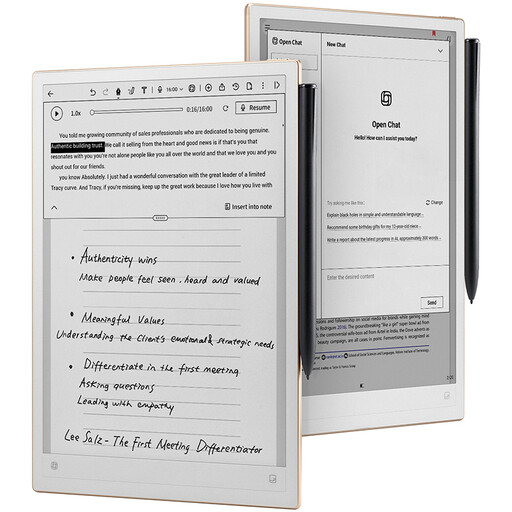
iFLYTEK AINOTE 2 10.65-inch E-Ink tablet with protective case
Consider this digital-notebook format if handwriting and reading documents are your main lecture tasks. The title specifies a 10.65-inch E-Ink screen and handwriting-to-text functionality. Check the pen supplied with the exact package and the app, account and network conditions for any note-conversion or cross-device workflow you intend to use.
View on Joybuy
 No image available
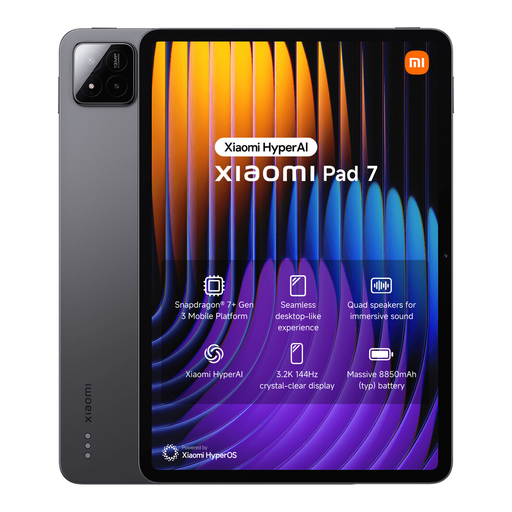
Xiaomi Pad 7, grey, 8GB/128GB, with Focus Pen
This tablet-and-pen listing is relevant if you want to write or annotate directly on a screen. Its title specifies 8GB RAM and 128GB storage and says a Focus Pen is included; confirm that the pen is part of this exact bundle and compatible with the tablet. If you also type lengthy assignments, check the keyboard arrangement before choosing it as your main device.
View on Joybuy
 No image available
TECLAST ArtPad Pro 2025, 12.7-inch, 256GB, with stylus
Consider the larger screen if you plan to read lecture material while writing or drawing on the tablet. The title lists a 12.7-inch 2K display, 256GB storage, a stylus and 4096-level pressure sensitivity. Check keyboard compatibility if substantial typing is part of your coursework, and decide how you will organise or retrieve notes across devices.
View on Joybuy
 No image available
ASUS Vivobook 15 X1504VA Core 5 120U, 24GB/1TB
This conventional laptop suits a keyboard-first plan that continues from lecture notes into written coursework. Its title specifies a 15.6-inch screen, Intel Core 5 120U, 24GB memory and a 1TB SSD. If you need to draw directly on slides, check pen-input capability rather than assuming it from the laptop format.
View on Joybuy
 No image available
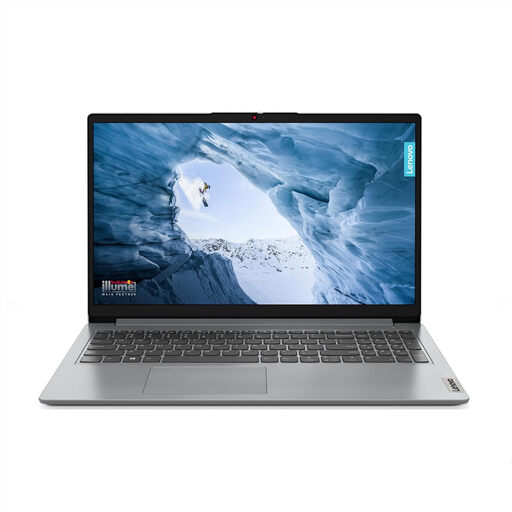
Lenovo IdeaPad 1 15-inch Ryzen 3 7320U, 8GB/128GB, S Mode
This is another keyboard-first option for typed lecture notes and assignments. The title specifies an AMD Ryzen 3 7320U, 8GB memory, a 128GB SSD and Windows 11 Home in S Mode. Check whether your required course software works with that Windows configuration before buying; if handwriting matters, check direct pen-input capability separately.
View on Joybuy
Questions about lecture-note devices
Can a tablet replace a laptop for university lecture notes?
A compatible stylus tablet can be your main note device if handwriting, diagrams and PDF annotation dominate. If you also draft lengthy assignments, assess the keyboard setup and your course software needs before relying on it as your only computer; Imperial College London identifies assignment writing as one reason students choose their own computer.
When does a two-in-one make sense?
Consider a pen-capable two-in-one when you regularly switch between keyboard work and handwritten annotation but prefer to carry one main device. Confirm pen compatibility, included accessories and the exact model's carrying weight; a convertible design alone does not settle those details.
Will a note-taking tablet include its pen and keyboard?
Check the specific bundle rather than assuming either accessory is included. Apple lists pencil compatibility for iPad Air, while Samsung says the cited Galaxy Tab S10 FE comes with S Pen. Keyboards and pen arrangements also vary by device generation, so match each accessory to the exact model.
Can I record a lecture instead of taking notes?
Check the rules for your institution and teaching session before making your own recording. The University of Warwick requires students to seek the lecturer's permission before recording a lecture, while the University of Glasgow describes a different arrangement for teaching events categorised as lectures. Neither policy establishes permission at another university, and a recording does not organise your notes for later study.
How should I organise notes once I have a device?
Choose a structure that lets you retrieve material by module, lecture or topic, then check whether you need search and access on more than one device. Newcastle University Academic Skills Kit describes flexible organisation and searchable digital notes; those decisions matter whether you capture the notes with a pen or keyboard.


