
24/7 Customer Support

Free returns

Same-day & Next-day Delivery

Quality Guaranteed

Unlock Your Welcome Offers: FREE Delivery | Up to 80% OFF | Free 30-day JoyPlus trial
Download the APP
A dependable light can make a wet campsite, late-night walk or unexpected power cut far easier to manage. However, shopping for LED camping lights is not simply a matter of choosing the highest lumen number. Brightness, battery type, weather resistance and practical design all affect whether a light is genuinely useful outdoors.
This guide from the Joybuy Product Recommendation Officer explains the common buying traps, the specifications worth checking and our top recommendations for 2026.
A 1,000-lumen lantern may illuminate a large area, but it can be unnecessarily bright for reading inside a small tent. It may also use larger batteries and have a shorter runtime on its highest setting.
For most campers, adjustable output is more useful than a single maximum brightness figure. A dim setting can preserve battery life, while a higher setting is helpful for cooking, setting up camp or dealing with an emergency.
Weather-resistance ratings have specific limits. An IPX4 camping lantern is designed to handle splashes from different directions, but it should not be submerged. An IP65 work light offers stronger protection from dust and water jets, although its mains cable and connections still require sensible handling.
Always check the IP rating and follow the product instructions. A portable camping light without a stated rating should be protected from sustained rain.
Some lights require batteries that are not supplied. Others use a USB cable, but the cable or wall adaptor may need to be purchased separately. Check:
This prevents a supposedly convenient rechargeable camping light or battery-powered lantern from being unusable when you need it.
Lumens indicate the amount of visible light produced, but they do not describe how far or widely it travels. A lantern with 360-degree illumination spreads light around a table or tent, while an LED torch produces a more directional beam for paths and roadside checks.
Look for practical controls such as:
A camping headlamp is particularly useful when both hands are occupied, such as when pitching a tent or repairing equipment.
Battery-powered lanterns are convenient for emergency lighting because spare batteries can be stored for long periods. USB camping lights and rechargeable camping lights reduce the need for disposable cells, but they need to be charged before departure and may require access to a power bank.
Runtime figures should be read alongside the brightness setting. For example, a lantern may provide 12 hours on high but considerably longer on low. If you are comparing products, assess the setting you are most likely to use rather than relying only on the maximum figure.
A lightweight ABS plastic light can be suitable for backpacking, while an aluminium portable work light may be more appropriate for a garage or building project. Also consider:
For hiking, a compact mini torch or headlamp is easier to carry. For family camping, a hanging lantern can provide central illumination without taking up table space.
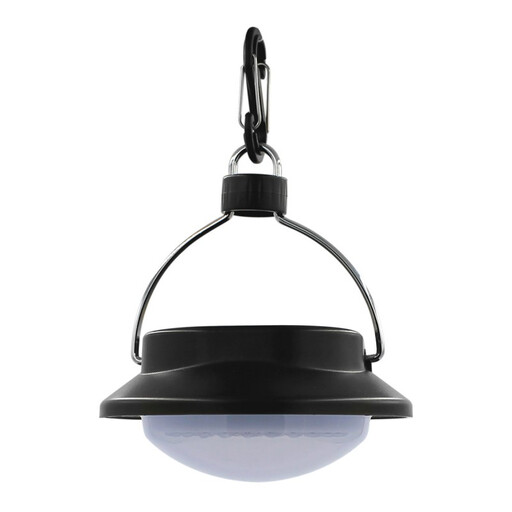
Why This Fits Their Persona: At approximately 120g, this compact tent light is suitable for first-time campers, families and anyone wanting simple central lighting without carrying a bulky lantern.
Three brightness settings help avoid using maximum output when a softer light is sufficient. It can run from 3 AAA batteries or a 5V USB supply; batteries and cable are not included.
60 LEDs, an S-hook for hanging and dual power options make it practical for tents, sheds and occasional emergency lighting.
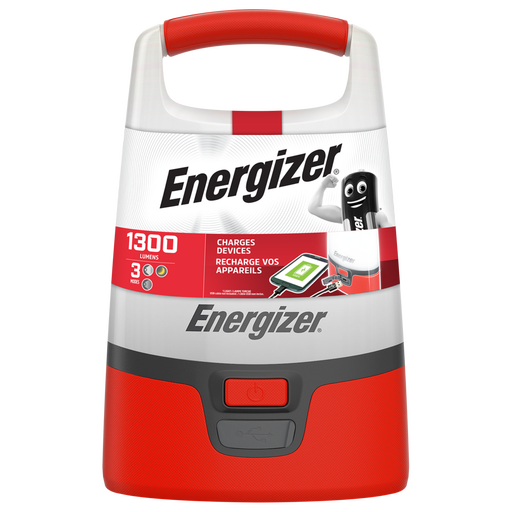
Why This Fits Their Persona: This suits campers and households wanting a high-output area light that can also provide USB charging during travel or a power cut.
The adjustable output includes 1,000-lumen high and 175-lumen low settings, while the IPX4 rating clarifies that it is splash-resistant rather than suitable for submersion.
360-degree illumination, a USB power-bank output, stable base and non-slip handle. Requires 4 D batteries, which are not included.
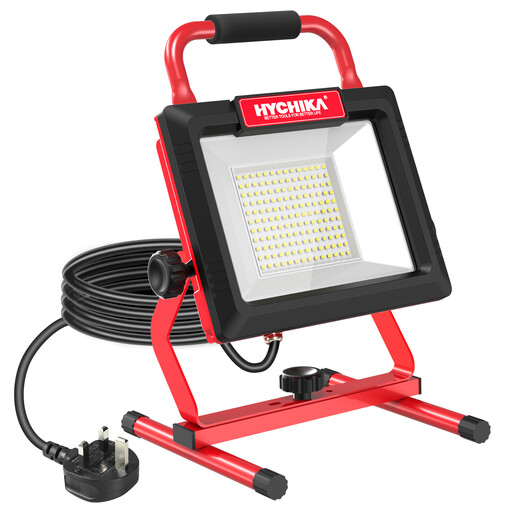
Why This Fits Their Persona: Its foldable stand and mains connection make it more appropriate for garages, workshops, car repairs and fixed outdoor tasks than lightweight backpacking.
The stated IP65 rating and protective housing provide clearer durability information than a product described only as “outdoor-ready”. It still requires safe mains use and should not be immersed.
Two output levels of 6,000 and 12,000 lumens, a 360-degree rotating stand and a 2-metre cable.
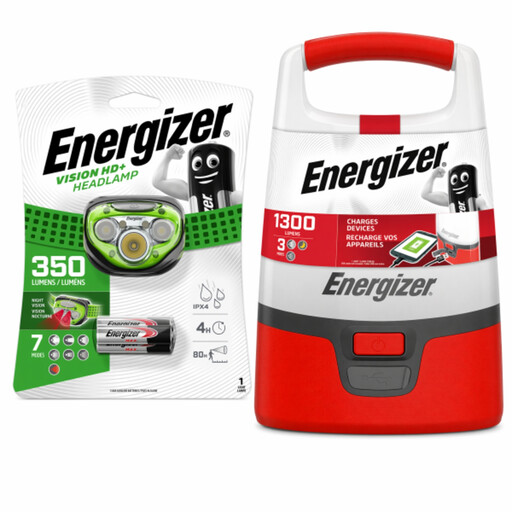
Why This Fits Their Persona: The two-piece format works for campers, hikers and families who need both shared area lighting and hands-free illumination on paths or around a tent.
The lantern and headlamp have specified output levels and IPX4 ratings. The listing also distinguishes supplied AAA batteries for the headlamp from the lantern’s separately purchased D batteries.
The headlamp provides 350 lumens, red and white modes, a pivoting head and up to 35 hours on low; the lantern adds USB charging.
We have compiled a complete, real-time list of products that fully satisfy these strict selection criteria and UK safety regulations.
Before a trip, test every light and check that battery compartments close securely. Keep spare batteries dry and remove disposable batteries during long-term storage where the instructions advise it.
Do not stare directly into bright LEDs. Keep button batteries, AAA cells and small torches away from young children. Mains-powered work lights should be connected to a suitable outlet, kept away from combustible materials and disconnected before cleaning or moving.
For roadside emergencies, an LED torch or jump starter with an LED function can be useful, but lighting equipment should not replace reflective clothing, warning triangles or other sensible road-safety measures.
LEDs generally use less electrical power than older lighting technologies for a comparable light output. Actual running cost depends on the brightness setting, battery type and how often the light is used. A low setting can extend runtime considerably.
They can be, provided the battery capacity and charging method suit the route. Take a compatible power bank or spare charging solution if there is no reliable access to mains electricity. For longer trips, a battery-powered lantern may offer easier backup planning.
A camping lantern spreads light across an area, making it suitable for tents, tables and cooking spaces. A camping headlamp directs light where you look and leaves both hands free. Many campers carry one of each, while a compact mini torch can serve as a lightweight backup.