
24/7 Customer Support

Free returns

Same-day & Next-day Delivery

Quality Guaranteed

Unlock Your Welcome Offers: FREE Delivery | Up to 80% OFF | Free 30-day JoyPlus trial
Download the APP
Replacing a dim or failed car bulb can seem straightforward, but choosing suitable LED car bulbs involves more than matching a colour temperature and lumen figure. The wrong base, beam pattern or electrical setup can result in poor illumination, dashboard warnings or an unsuccessful MOT.
This guide explains the main buying pitfalls, the specifications worth checking and a selection of products for different types of UK drivers.
H7, H11, H4, H1 and HB3 9005 bulbs are not interchangeable simply because they look similar. The socket, retaining clip, wiring and available space inside the headlamp housing can all differ.
Some listings describe bulbs as “universal”, but this normally refers to a range of compatible vehicles rather than every car on the road. Confirm the bulb code printed on the existing bulb or listed in the vehicle handbook before ordering.
Large lumen figures can attract attention, but they do not alone determine how effectively a headlamp illuminates the road. The LED chip position, reflector compatibility and beam pattern are also important.
A bulb that produces scattered light may create glare for other road users while leaving dark areas ahead. Look for a 1:1 halogen-style design, correctly positioned chips and clear installation guidance. After fitting, check the beam alignment against a wall and arrange professional adjustment if necessary.
Canbus error-free bulbs include circuitry intended to reduce bulb-out warnings, flickering or radio interference. However, vehicle electrical systems vary considerably. Some sensitive cars may still require a decoder, resistor or additional configuration.
Treat claims such as “99% compatibility” as product-listing information rather than a guarantee for your specific vehicle. Check the return terms and confirm compatibility before fitting.
Start with the exact replacement code:
Do not rely on a visual comparison alone. Check the owner’s manual, existing bulb marking or a reputable vehicle bulb catalogue.
LEDs convert less electricity into heat than halogen bulbs, but they still generate heat around the chip and driver. A metal housing, heat sink, copper components or fan can help manage this.
Fan-cooled high-brightness headlight bulbs may offer active heat removal, but the fan needs sufficient clearance and can add a possible noise or failure point. Fanless mini bulbs are quieter and may fit more easily behind a dust cap, although the housing still needs adequate ventilation.
Also measure the rear clearance. A bulb that fits the socket may not allow the original dust cover to close.
Many replacement products are marketed as 6000K white LED bulbs or 6500K xenon white. These produce a cool white appearance, but colour temperature is not the same as brightness or beam quality. A clean, correctly aimed beam is more useful than a blue-tinted appearance.
Before driving on public roads, check that the conversion is suitable for your vehicle and headlamp type under current UK requirements. Headlamp alignment, glare control and the approval status of the complete lighting setup all matter. A plug-and-play fitting does not automatically mean road approval.
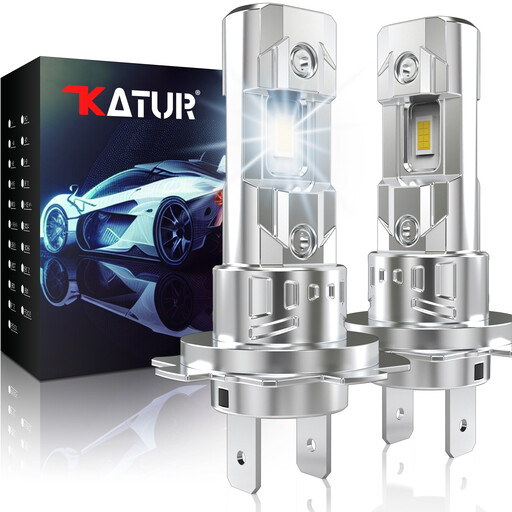
Why This Fits Their Persona: A compact option for drivers replacing standard H7 halogen bulbs at home, particularly where space behind the headlamp is limited.
Its fanless, mini-size construction avoids relying on a spinning fan and is designed to fit directly into the original socket.
6000K white output, integrated design, waterproof construction and no external driver listed.
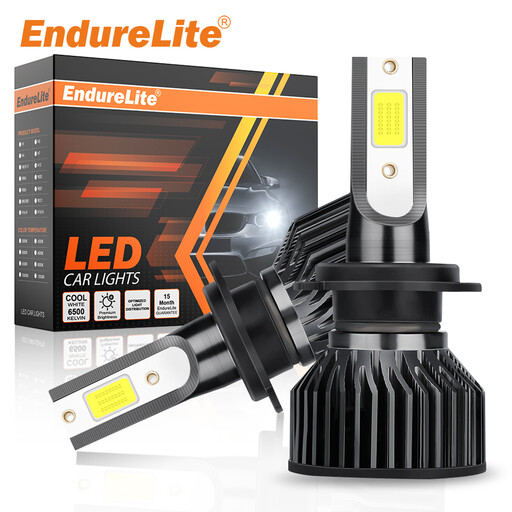
Why This Fits Their Persona: Suitable for owners who want one listed range covering several common headlight formats, subject to confirming the exact vehicle fit.
The listing specifies a 1:1 beam-pattern approach, an aluminium shell, IP68 waterproofing and built-in cooling.
Plug-and-play format, 6000K cool white colour and compatibility coverage for H7, H4, H11, H1 and 9005 variants.
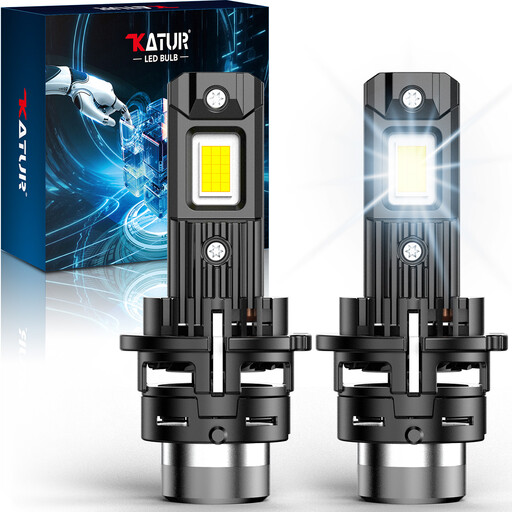
Why This Fits Their Persona: Intended for drivers with an original D4S HID headlamp assembly who want a direct replacement format rather than a halogen conversion.
The listing clearly limits this product to HID assemblies and specifies a 1:1 fitting with no external driver or wiring modification.
6500K white light, aluminium cooling components, built-in fan and stated 0.01-second start-up time.
For cabin lights, map lights and number plate fittings, W5W T10 LED bulbs are common alternatives. The OUSHI W5W option lists 12V operation, 2.5W per bulb, 300 lumens per bulb and a 6500K colour temperature in a four-pack. Its stated applications include interior, courtesy, number plate and sidelamp positions.
Check the bulb length and polarity before installation. Some LED car light bulbs only illuminate when inserted in one direction, while a few vehicle systems may still display a warning despite a Canbus design.
We have compiled a complete, real-time list of products that fully satisfy these strict selection criteria and UK safety regulations.
Legality depends on the vehicle, headlamp assembly, bulb type and applicable approval requirements. A plug-and-play design does not automatically make a retrofit suitable for public-road use. Confirm the relevant UK requirements, check the manufacturer’s guidance and ensure the beam is correctly aimed before driving.
LEDs can use less power for a comparable lighting function, but the actual consumption depends on the bulb’s wattage and vehicle circuit. Check the stated wattage rather than assuming every LED replacement is more efficient.
Product listings may state figures such as 50,000 or 60,000 hours, but real service life is affected by heat, vibration, voltage, moisture and usage. Effective cooling and correct installation are important, especially in enclosed headlamp housings.