
24/7 Customer Support

Free returns

Same-day & Next-day Delivery

Quality Guaranteed

Unlock Your Welcome Offers: FREE Delivery | Up to 80% OFF | Free 30-day JoyPlus trial
Download the APP
Replacing dim or ageing bulbs can make night driving more comfortable, but choosing LED car headlight bulbs is not simply a matter of selecting the highest lumen figure. The bulb must match your vehicle, headlight housing and electrical system. A poor choice can create glare, flickering, dashboard warnings or an unfocused beam.
This guide from the Joybuy Product Recommendation Officer focuses on the details that matter before you buy, including fitment, colour temperature, beam pattern, cooling and UK road-use considerations.
Listings may advertise figures such as 20,000 lumen headlight bulbs or 30,000 lumens per pair. These numbers describe the stated output, but they do not guarantee useful illumination on the road. Reflector shape, projector design, chip placement and beam alignment all affect what the driver sees.
A bulb with a poor optical position may produce scattered light or glare for oncoming traffic. Look for a compact design and a claimed 1:1 beam pattern, then check the beam after installation.
H1, D1S, D2S, D3S and D4S bulbs are not interchangeable simply because they look similar. H1 is commonly associated with halogen applications, while D-series bulbs are generally associated with HID or xenon headlamp assemblies.
A D2S LED bulb, for example, should not be fitted to a halogen housing unless the complete lighting system is specifically designed and approved for that conversion. Confirm the original bulb marking in the vehicle handbook or on the removed bulb before ordering.
A CANbus LED bulb may reduce the likelihood of warning messages, radio interference or flickering, but vehicle electronics differ considerably. Some cars may still require an additional decoder, load resistor or adapter. Product listings commonly state compatibility percentages, but these should be treated as a guide rather than a promise for every UK vehicle.
Start with the original bulb code. Common categories include:
D1S/D1R, D2S/D2R, D3S/D3R and D4S/D4R versions can have different bases, shielding arrangements and electrical requirements. Check whether the product is intended for a projector, reflector or a particular HID headlight assembly.
Most products in this category use either 6000K LED bulbs or 6500K LED bulbs.
Colour temperature is not the same as brightness. In heavy rain, mist or spray, a very cool or blue-tinted light may not be preferable for every driver. Choose based on visibility, appearance and compatibility rather than colour alone.
LED chips generate heat at the rear of the bulb, so examine the cooling design. Useful features may include:
A fan may improve heat dissipation, but it introduces a moving part and must have sufficient clearance. Before buying, compare the bulb dimensions with the available space behind the headlamp.
A plug-and-play headlight bulb normally uses the existing socket and connector without external wiring modifications. However, “plug and play” does not remove the need to check polarity, seating and alignment.
After installation:
UK drivers should also check whether an LED retrofit is suitable and permitted for their specific vehicle and headlamp approval. A bulb that physically fits may not automatically meet the requirements for road use or an MOT inspection.
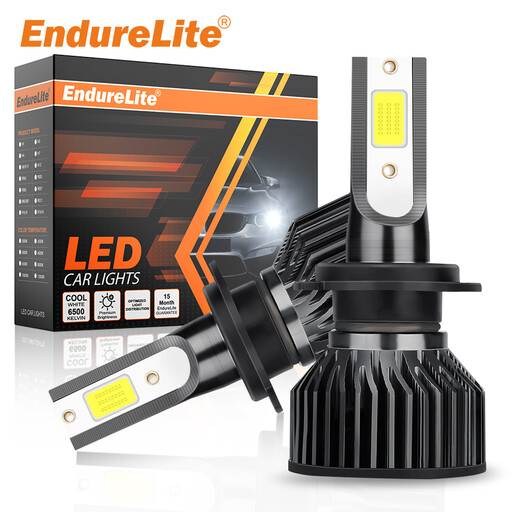
Why This Fits Their Persona: A straightforward option for drivers whose vehicle already uses H1 bulbs and who want a two-bulb replacement with a cool-white appearance and a simple installation format.
The listing specifies a stock-size design, 1:1 beam-pattern technology and CANbus-ready electronics rather than relying only on a brightness figure.
6000K colour temperature, built-in fan cooling, IP68 waterproof rating and a pack of two.
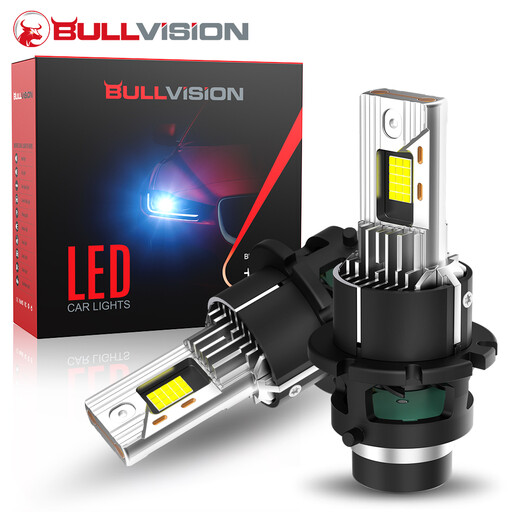
Why This Fits Their Persona: Suitable for owners of compatible D2S or D2R HID assemblies who prioritise compact sizing, beam positioning and integrated thermal management.
Its listed 1:1 mini-size format is intended to maintain the original bulb position, helping buyers focus on beam geometry rather than lumens alone.
CSP chips, stated 20,000-lumen output, integrated fan and IP68 waterproof construction.
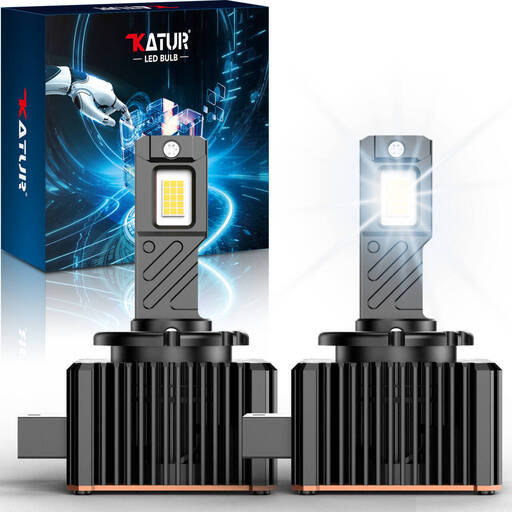
Why This Fits Their Persona: Designed for drivers with compatible D3S or D3R HID headlight assemblies who want a high-output, cool-white replacement for frequent night driving.
The product information clearly states that it is for HID assemblies only, helping prevent an unsuitable halogen or complete-LED-unit purchase.
6500K colour temperature, 1:1 design, built-in 16,000 RPM fan and a stated service life of up to 60,000 hours.
We have compiled a complete, real-time list of products that fully satisfy these strict selection criteria and UK safety regulations.
Some H1 LED bulbs are designed as halogen replacements, but physical fit does not automatically confirm legal or technical suitability. Check the vehicle handbook, headlamp type and current UK road-use requirements. The beam must remain properly controlled, and headlights should be checked after installation.
Many listings state service lives of 50,000 or 60,000 hours, but actual life depends on heat, vibration, voltage, fan operation and usage. Treat these figures as manufacturer or listing specifications rather than a guaranteed ownership period. Keeping the housing sealed and ensuring adequate rear clearance can support reliable operation.
LEDs can have a different power requirement from halogen bulbs, but the exact consumption varies by model. Check the stated wattage and your vehicle’s electrical system. A CANbus-ready design may help with compatibility, although some cars can still require a decoder to prevent warnings or flickering.