
24/7 Customer Support

Free returns

Same-day & Next-day Delivery

Quality Guaranteed

Unlock Your Welcome Offers: FREE Delivery | Up to 80% OFF | Free 30-day JoyPlus trial
Download the APP
Driving on poorly lit British roads at night can be a nerve-wracking experience, especially with the dim, yellowish glow of standard halogen headlights. It is no surprise that many UK drivers are looking to upgrade to modern LED car headlight bulbs for better visibility and safety. However, the market is flooded with options and it is easy to fall into common traps that waste both time and money.
As a Joybuy Product Recommendation Officer, my role is to help you navigate the marketing clutter. Before you make a purchase, let's look at the most frequent pitfalls and how to sidestep them.
To make an informed choice, focus on these key parameters rather than just the marketing headlines.
Instead of fixating solely on the lumen count, look for bulbs designed to mimic the filament position of your original halogen bulbs. Many quality options feature a 1:1 mini size design and carefully placed LED chips. This ensures the light is projected correctly by your car's headlight housing, creating a sharp cut-off line that illuminates the road ahead without dazzling others. A good set of bright headlight bulbs will provide a wider and further field of vision, making signs and hazards more visible.
Colour temperature, measured in Kelvin (K), determines the colour of the light. Standard halogens are typically around 3200K, producing a warm, yellowish light. Most aftermarket LEDs are between 6000K and 6500K, which produces a crisp, modern xenon white car bulbs effect. This cooler light improves contrast and object definition, which can reduce eye strain during long night-time drives.
For any car made in the last 15-20 years, checking for CANBUS compatibility is non-negotiable. Look for products that specify they have a built-in intelligent driver or are canbus error free led for a high percentage of vehicles. This is especially critical for brands like Volkswagen, BMW, Audi and Mercedes. Common fitments like the H7 LED bulb and H4 LED headlight are widely available, but always confirm your vehicle's specific bulb type before purchasing.
To help you find a suitable match, here are several options aligned with different driver needs.
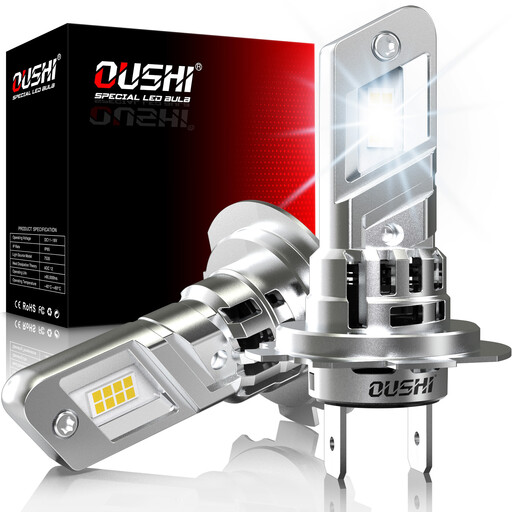
Why This Fits Their Persona: Ideal for drivers with common UK cars (e.g., Ford Focus, Vauxhall Astra) who want a straightforward, effective upgrade for their daily drive to work. The H7 fitment is one of the most prevalent and the plug-and-play design minimises fuss.
The 1:1 mini size design helps ensure the beam pattern remains correct, avoiding the "dazzle" trap. Its integrated CANBUS system is designed to work with a high percentage of vehicles, addressing the compatibility gamble head-on.
Features a high-speed turbo fan for active cooling and a simple, no-modification installation process for compatible vehicles.
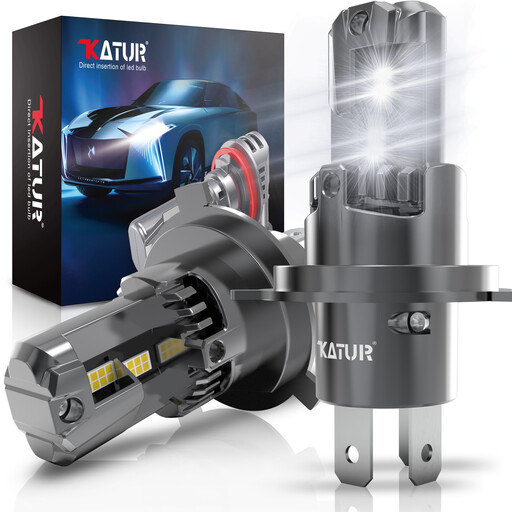
Why This Fits Their Persona: This user drives a vehicle with a sensitive electronics system (like a VW Golf or BMW 3 Series) and needs a robust solution. The H4 bulb is a common hi/lo beam unit and this kit's external driver suggests a more advanced approach to power management.
The smart external driver is specifically designed to handle the CANBUS compatibility gamble, offering anti-interference and decoding functions for sensitive systems. The powerful 16,000RPM fan directly addresses the cooling pitfall, ensuring longevity.
Features an external adapter for enhanced CANBUS stability and a high-speed fan within an aviation aluminium body for superior heat dissipation.
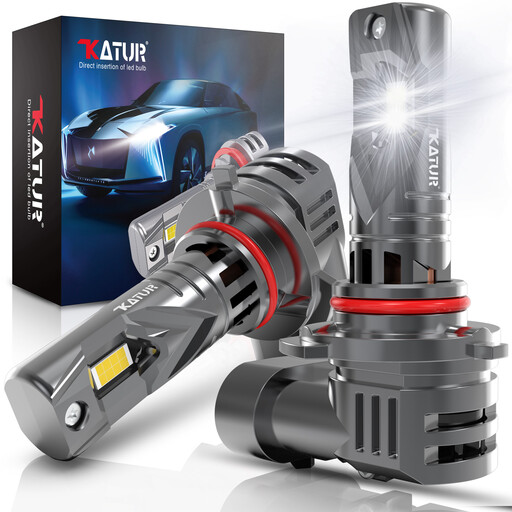
Why This Fits Their Persona: This driver frequently travels on unlit A-roads or motorways and prioritises maximum forward illumination for safety. The HB3 (9005) fitment is often used for main beams and this high-power option is suited for lighting up the road far ahead.
It counters the "brightness" trap by specifying "ultra-thin chip spacing" to create a focused beam shape, ensuring the high output is useful and not just scattered. The robust cooling system is designed to sustain this high output over time.
High power output (100W per pair) for extended visibility, combined with a design that focuses on beam control for safe and effective long-distance illumination.
We have compiled a complete, real-time list of products that fully satisfy these strict selection criteria and UK safety regulations.
This is a critical point for UK drivers. According to current MOT inspection guidelines, headlight units designed for halogen bulbs must be fitted with halogen bulbs to be road legal. Fitting aftermarket LED car headlight bulbs into a halogen unit is technically not permitted for road use and may result in an MOT failure. Therefore, these upgrade kits are generally designated for off-road use. Always check the latest DVSA guidelines before making modifications to your vehicle's lighting.
While many LED bulbs are designed for "plug and play" installation, some vehicles (notably from manufacturers like VW, Ford and Vauxhall) use a separate clip or adapter to hold the original halogen bulb in place. In these instances, you may need to purchase a bulb holder adapter specifically designed for fitting an LED bulb into your car's headlight housing. It is wise to check your vehicle's existing setup before you buy.
Manufacturers often quote lifespans of up to 60,000 hours, but this is typically measured in ideal laboratory conditions. In the real world, the longevity of an LED bulb is almost entirely dependent on its heat management. A bulb with a high-quality, high-RPM fan and a well-designed aviation aluminium heatsink will reliably outlast a cheaper, passively cooled alternative by a significant margin.