
24/7 Customer Support

Free returns

Same-day & Next-day Delivery

Quality Guaranteed

Unlock Your Welcome Offers: FREE Delivery | Up to 80% OFF | Free 30-day JoyPlus trial
Download the APP
Replacing halogen lighting with LED car headlight bulbs can improve the appearance of your vehicle and may provide a cooler white beam, but compatibility matters more than headline brightness figures. The wrong bulb can create poor beam definition, dashboard warnings, excess heat or glare for other road users.
This guide explains the main buying traps, the specifications worth checking and a selection of bulbs matched to different UK driving needs.
Listings may advertise figures such as “300% brighter” or very high lumen outputs. These figures can be difficult to compare because manufacturers may measure them under different conditions. A higher number does not automatically mean better road illumination.
The bulb’s beam pattern, chip position and reflector compatibility are equally important. A poorly positioned LED source can produce dark patches or scatter light into the eyes of oncoming drivers.
H1 LED bulbs, H7 LED bulbs and H8/H9/H11 LED bulbs are not interchangeable simply because they look similar. Other common fittings include 9005 HB3 LED bulbs, 9006 HB4 LED bulbs and 9012 HIR2 LED bulbs.
Check the original bulb marking, vehicle handbook or a reliable parts catalogue before ordering. Some vehicles use different fittings for dipped beam, main beam and fog lights.
Plug-and-play LED bulbs are designed to use the original connector, but access behind the headlamp can still be restricted. A fan, heat sink or larger rear housing may not fit beneath the dust cap.
CANbus LED bulbs can reduce flickering or bulb-warning issues on some vehicles, but “CANbus ready” does not guarantee compatibility with every car. If a dashboard warning appears after installation, an additional decoder or a different bulb may be required.
Start with the correct fitting. Common choices include:
The same bulb code can serve different functions across vehicles, so confirm whether you need high beam, low beam or fog light bulbs.
Many replacement products specify 6000K cool white headlight bulbs. This produces a noticeably whiter appearance than a conventional warm halogen lamp. However, colour temperature is not the same as brightness or beam quality.
A cool white bulb may suit drivers who prefer a modern appearance, but the housing and lens condition still influence the useful light reaching the road. Keep the headlamp lenses clean and have the beam alignment checked after installation.
LEDs convert less energy into light than some buyers expect, so heat still needs to be managed around the LED chips. Look for an aluminium body, heat sink or integrated fan, while checking that the rear assembly fits your lamp housing.
IP68 waterproof automotive LED bulbs are designed to offer a high level of protection against dust and water ingress, according to the product specification. This does not mean the surrounding headlamp unit is waterproof or that installation can be carried out in wet conditions.
Also consider the claimed operating life. A listing may state 50,000 hours, but actual service life depends on temperature, voltage, vibration and usage. Treat this as a manufacturer specification rather than a guaranteed period of ownership.
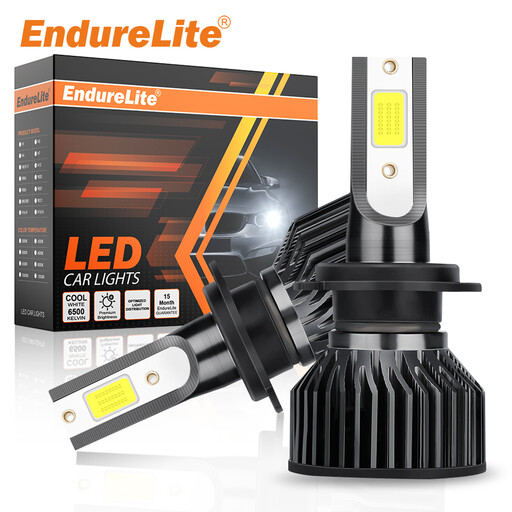
Why This Fits Their Persona: A practical option for DIY motorists who already know their fitting and want a two-bulb kit with plug-and-play installation.
The listing identifies several fitting codes, helping shoppers compare their original bulb marking before ordering rather than relying on appearance alone.
6000K cool white output, two-bulb pack, integrated cooling system and stated CANbus-ready design.
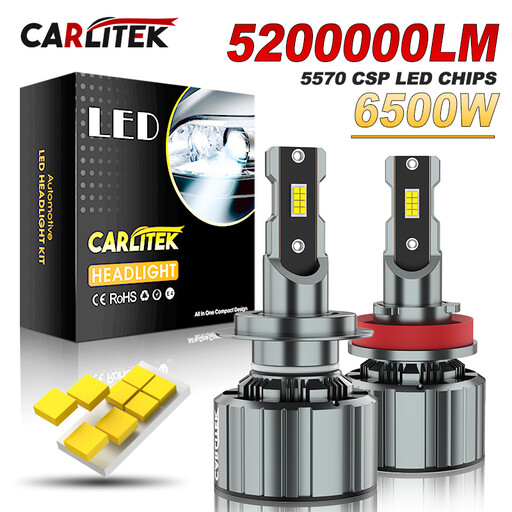
Why This Fits Their Persona: Suitable for owners of compatible vehicles who prioritise a compact installation design and weather-resistant construction.
Its 1:1 halogen-position design and built-in driver address two common concerns: beam placement and the need for extra wiring.
The specification lists an IP68 rating, built-in CANbus technology and an integrated fan.
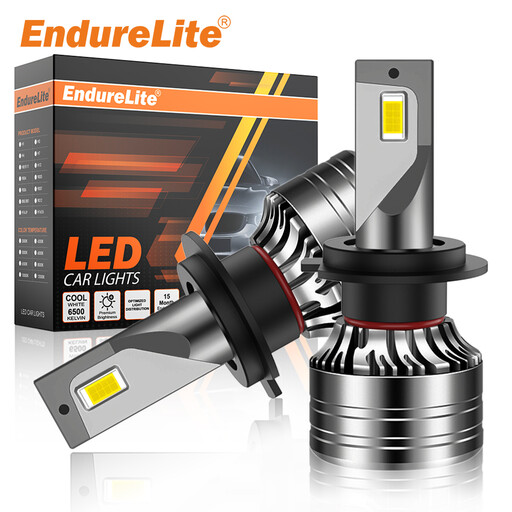
Why This Fits Their Persona: A targeted choice for drivers with 9012/HIR2 fittings who use their car regularly in rain, mist or poor-weather conditions.
The dedicated 9012/HIR2 designation reduces the risk of purchasing a visually similar but mechanically incompatible bulb.
The product lists IP68 waterproofing, a cooling fan, plug-and-play fitting and a claimed 50,000-hour operating life.
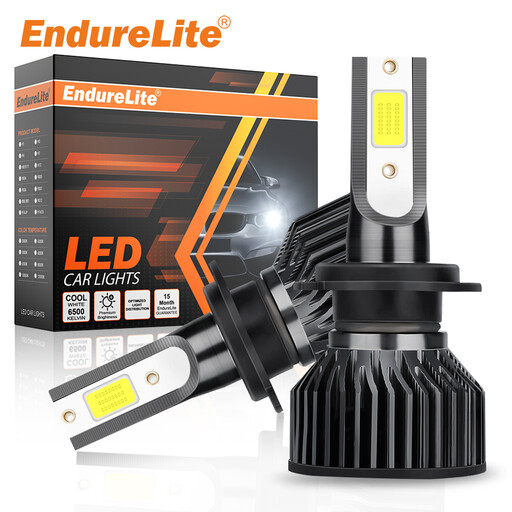
Why This Fits Their Persona: Designed for drivers who have confirmed a 9006/HB4 fitting and want one kit for a compatible headlamp or fog-light position.
The product is clearly marked 9006/HB4, while its 1:1 beam-pattern design is intended to follow the original bulb position.
Two-bulb pack, aluminium construction, integrated fan and stated CANbus-ready compatibility.
Before fitting, switch off the lights, remove the key and allow the original bulb to cool. Wear gloves and avoid touching the LED chip. Secure the bulb fully in the holder, reconnect the factory plug and check for flickering or warning messages.
After installation:
Legality depends on the vehicle, lamp approval, installation and intended road use. A bulb that physically fits is not automatically approved for every headlamp housing. Check the manufacturer’s compatibility information, your vehicle documentation and current UK requirements. Incorrect beam alignment can also create safety and MOT concerns.
LEDs commonly have lower stated wattage than halogen bulbs, but the saving depends on the specific product and vehicle. The electrical load, cooling fan and driver circuitry all contribute to actual consumption. Check the product specifications rather than assuming every LED replacement has the same running cost.
Some listings state an operating life of up to 50,000 hours, but this is a product specification, not a guaranteed ownership period. Heat, vibration, moisture, voltage variation and frequent use can affect service life. Keeping the housing sealed and ensuring adequate cooling may help the bulb operate as intended.
We have compiled a complete, real-time list of products that meet these strict selection criteria and UK safety regulations.