
24/7 Customer Support

Free returns

Same-day & Next-day Delivery

Quality Guaranteed

Unlock Your Welcome Offers: FREE Delivery | Up to 80% OFF | Free 30-day JoyPlus trial
Download the APP
A well-lit workspace is fundamental to productivity and comfort, whether you are studying for exams or managing tasks from your home office. The right lighting can reduce eye strain, improve focus and even enhance the look of your desk setup. However, with so many options available, choosing the right LED desk lamp can feel overwhelming.
This guide is designed to simplify your search. We will walk you through the key features to consider when buying a new study lamp or office desk lamp and present a few of our top recommendations for 2026 to help you find a model that suits your needs.
Before diving into specific products, let's analyse the features that make a significant difference in day-to-day use.
Long hours of reading or screen time demand a high-quality light source. An eye-caring desk lamp should provide consistent, comfortable illumination. Look for features such as:
Your lamp should direct light exactly where you need it. An adjustable desk lamp with a flexible gooseneck or a multi-pivot arm offers the most control. This allows you to minimise glare on your screen and illuminate your work area without casting shadows.
For those with limited desk space, a clip on desk light is a practical solution. It attaches directly to a shelf or the edge of your desk, freeing up valuable surface area while still providing targeted illumination.
A modern desk lamp often does more than just provide light. Many models now integrate features that help streamline your workspace:
Here are a few standout options that combine functional design with useful features.

Why It Stands Out: This lamp’s main advantage is its versatility. As a rechargeable desk lamp with a sturdy clip, it offers complete portability and space-saving placement. It’s ideal for small desks, bunk beds or any area where a traditional lamp won’t fit.
According to Philips, its products are designed to meet EyeComfort requirements, which involve stringent testing for factors like flicker, strobe and glare. This focus makes it a considerate choice for a primary reading light.
Pros:
Who is it for? Students or anyone with a compact workspace who needs a flexible, portable lighting solution that can be moved and attached almost anywhere.

Why It Stands Out: The Xiaomi Desk Lamp Lite is a great example of minimalist design meeting high-performance lighting. Its standout feature is the exceptionally high Colour Rendering Index (Ra90), which ensures that colours under its light look true-to-life. This is particularly useful for artists, designers or anyone who works with colour-sensitive materials.
The lamp provides wide, even illumination that helps to reduce harsh shadows, creating a more comfortable and visually clear workspace.
Pros:
Who is it for? Home office professionals, creatives and students who value colour accuracy and a clean, modern desk lamp aesthetic.
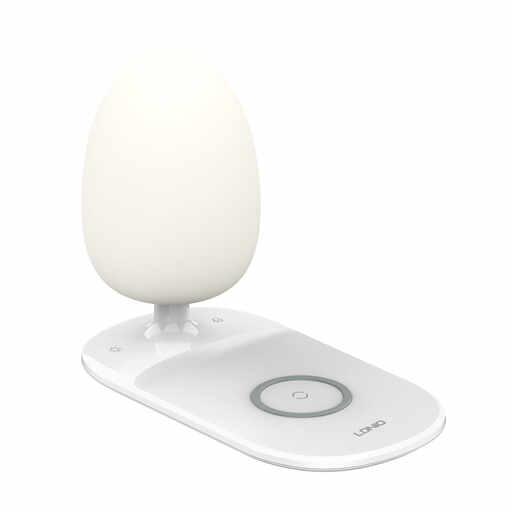
Why It Stands Out: This lamp is built for the modern, tech-heavy desk. It combines a flexible reading light with a powerful 15W wireless charging pad integrated into its base. This dual-functionality makes it an excellent tool for decluttering, as it eliminates the need for a separate charging stand and cables.
The fully adjustable gooseneck and simple touch controls make it easy to use, while the memory function conveniently recalls your last used brightness setting.
Pros:
Who is it for? Tech-savvy users, professionals and anyone looking to create a streamlined, cable-free workspace by combining their task lighting and phone charging into one device.
While these recommendations cover a range of needs, the world of desk lighting is vast. If you are looking for different styles, features or price points, you can explore a wider selection.
Discover more styles and find the perfect fit for your workspace in our full desk lamp lighting category.
1. What is a good brightness for a study lamp? For focused tasks like studying or reading, a brightness level between 450 and 1000 lumens is generally recommended. More important than a single high number, however, is the ability to adjust the brightness. A lamp with multiple settings allows you to increase light for detailed work and decrease it for ambient lighting, giving you greater control and comfort.
2. Are LED desk lamps better for your eyes? High-quality LED lamps can be more comfortable for your eyes compared to older lighting technologies. They often incorporate eye-caring features like flicker-free output and glare reduction, which are known sources of eye strain. Models with adjustable colour temperature also help, as you can switch to warmer light in the evening to reduce exposure to blue light before sleep.
3. How long do LED desk lamps last? One of the major benefits of LED technology is its longevity. Most LED bulbs are rated to last between 20,000 and 50,000 hours. For a desk lamp used for a few hours each day, this can translate to over 15-20 years of use, making it a durable and cost-effective investment.