What matters when choosing?
Start with the size of your writing area, then work out where a lamp can stand or attach without getting in the way. Brightness settings and a movable head are useful only if you can place the light where you need it.
| Concern |
What to check |
Who this matters to |
| Light across the page |
Compare stated coverage or illuminance with the width of your books and papers; check for brightness adjustment. |
If I spread a notebook and reference material across the desk, I need light that reaches both as room light changes. Around 36% of consumers put writing-area coverage and control first. |
| Shadows and glare |
Check whether the lamp can sit opposite your writing hand and whether its head can be aimed away from a screen. |
When I write beside a monitor, I want to see the page without my hand casting a shadow or the lamp reflecting in the display. For around 29% of consumers, controlling shadows and glare is the primary need. |
| Desk fit and aiming |
Measure the space for a base or the desk edge for a clip, and check whether the light can reach your writing position. |
On a crowded desk, I need room for my materials and a way to aim the light where I am working. Desk fit and positioning come first for around 21% of consumers. |
| Portability |
Confirm how the lamp is powered and charged, then consider whether its light reaches your usual writing area. |
If I move between study spots, being able to carry and place the lamp easily matters more to me than lighting a broad desk. Around 14% of consumers prioritise portability. |
Joybuy desk-lamp choices
These desk lamps offer rechargeable, clip-on or adjustable formats to consider for a study. Before choosing one for handwriting, match its placement and lighted area to your own desk.
 No image available
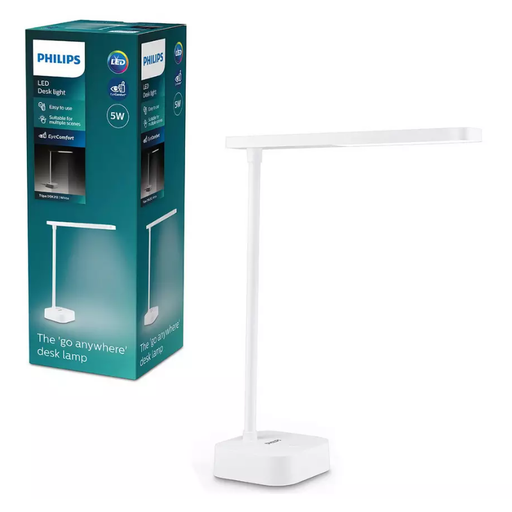
Philips Tilpa USB-rechargeable LED lamp, 18W, white
Consider this rechargeable lamp if you need to move your study light; check that it reaches your notebook and any open books.
Its listed variant has three brightness settings. Philips specifies an adjustable spot head, a 5000 K light colour and an integrated LED for the Tilpa.
Check the charging arrangement and what is included before ordering.
Joybuy
 No image available
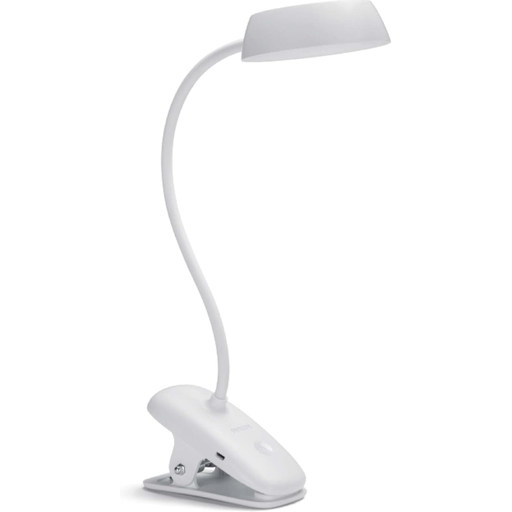
Philips Doughnut USB-rechargeable clip lamp, 3W, white
A clip-on format may suit a desk where you want to keep the writing surface clear. Check that the clip fits your desk or shelf and that the light reaches the page.
The product title identifies a USB-rechargeable, 3W variant; the wattage alone does not tell you how much of your writing area it will light.
Joybuy
 No image available
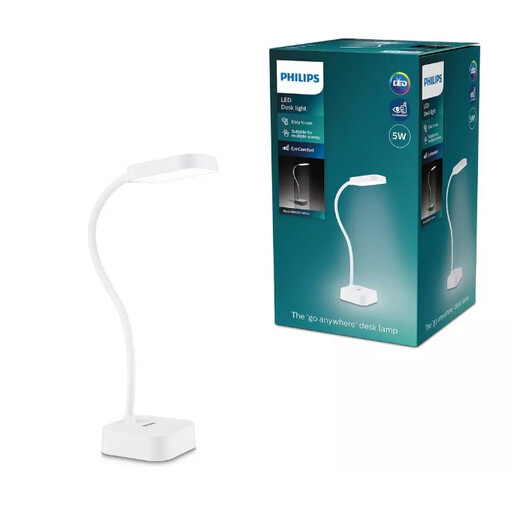
Philips Rock USB-rechargeable LED lamp, 18W, white
This rechargeable option is worth considering where you need to move a study lamp. Check that its light covers your writing area and that you can position it without casting a hand shadow.
The listed variant has three brightness settings. Do not use its 18W designation as a measure of light reaching the page.
Joybuy
 No image available
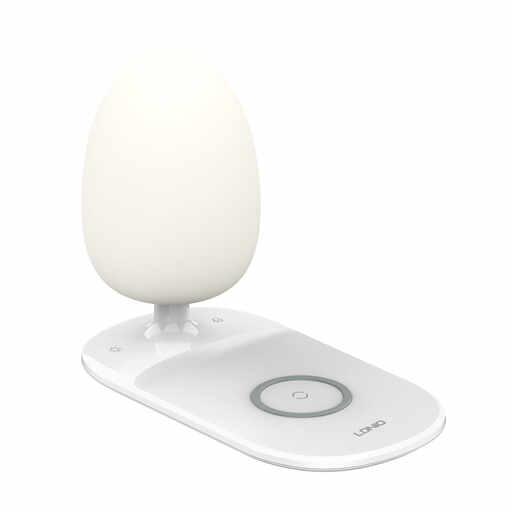
LDNIO Wireless USB-C Charging Desk Lamp, 1M, white
If your notebook changes position, check whether you can aim this lamp across each part of your working area without moving your materials.
Confirm the lamp’s power arrangement and desk fit before buying; wireless charging in the product name does not establish that the lamp itself runs on a battery.
Joybuy
Frequently asked questions
Where should I place a desk lamp when writing by hand?
Place it opposite your writing hand to reduce shadows on the page. Aim it across your working area and, if you use a screen, adjust the lamp or display to avoid reflections; the Health and Safety Executive recommends arranging screen lighting to avoid glare.
Is ceiling lighting enough for writing in a study?
It can be enough if it lights your page clearly without troublesome shadows, but a desk lamp gives you another way to light the task. Philips Lighting UK recommends combining functional and general lighting for reading and writing, while the Health and Safety Executive notes that detailed tasks generally need more light.
Can I replace the bulb in an LED desk lamp?
Not in every model: Philips lists the Tilpa as integrated LED, whereas the Anglepoise Type 80 T1 uses a replaceable E27 LED bulb. For a bulb-replacement design, check the exact lamp’s fitting and maximum rating before choosing another bulb.
What conformity information should I check for a desk lamp in Great Britain?
Check the information for the exact electrical product and the market where it will be supplied. GOV.UK’s Office for Product Safety and Standards explains that the Electrical Equipment (Safety) Regulations 2016 apply in Great Britain and that recognition of certain goods meeting EU requirements, including CE-marked goods, was extended indefinitely from 1 October 2024. Northern Ireland has different provisions, so the Great Britain guidance should not be applied there unchanged.


