What matters when choosing?
Start with the size and position of your open score, then work out where the lamp can sit without causing glare. Brightness controls, power and mounting matter only if the lamp fits that layout.
| Concern | What to check | Who this matters to |
|---|
| Coverage across the score |
Measure the open score and its position on the stand. Compare the lamp’s reach and any stated lighting width under the maker’s measurement conditions. |
If I read two pages at once, I need the outer staves lit without repeatedly moving the head; roughly 36% of consumers put score coverage first. |
| Glare and screen reflections |
Look for dimming and a head you can aim at the pages rather than your eyes or an adjacent display. |
When I switch between notation and a screen, reflections interrupt reading even if the pages are bright. Avoiding glare is the main concern for about 29% of consumers. |
| Fine notation and markings |
Check brightness adjustment and stated colour-rendering information. If sight loss affects reading, consider a low-vision assessment. |
I need to distinguish small note heads and annotations at a comfortable light level; for around 21% of consumers, seeing those details is the priority. |
| Desk fit and portability |
Check base clearance or clip fit, the cable route and, for a rechargeable lamp, stated runtime against your session length. |
If my stand leaves little desk space or I move between reading spots, the lamp has to fit and be practical to power. Roughly 14% of consumers put those needs first. |
Joybuy lamps for this setup
These desk and table lamps offer adjustable light levels, rechargeable operation or a clip-on format for reading in a study. Check how each would reach and light your open score; inclusion here does not establish full-spread coverage.
 No image available
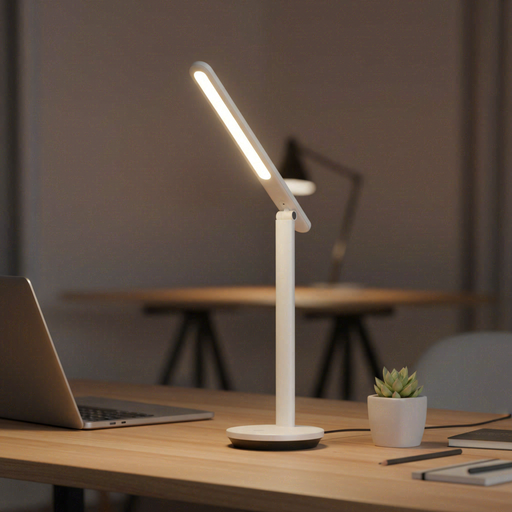
Yeelight LED Folding Desk Lamp Z1 Pro, white
The folding design and adjustable brightness may suit a study desk where you need to change the lamp’s position. It is rechargeable; check coverage over your open score and battery runtime for your reading session.
View on Joybuy
 No image available
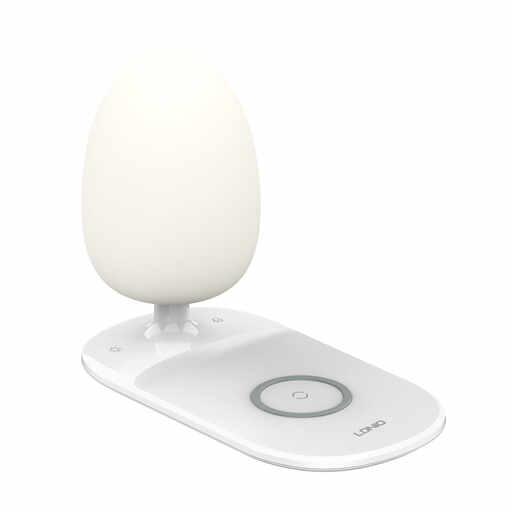
LDNIO Wireless USB-C Charging Desk Lamp, 1M, white
This USB-C desk-lamp option may suit a fixed study space where you can position the light near your music. Check the required power connection and whether the lamp reaches across your open score; the product name alone does not establish cordless operation.
View on Joybuy
 No image available
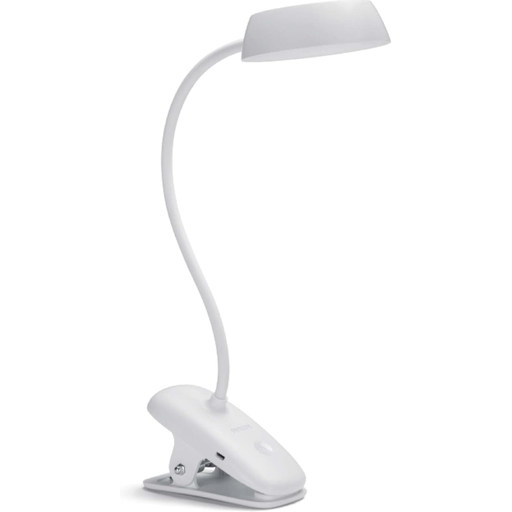
Philips Doughnut Desk Clip USB Rechargeable 3W, white
The clip-on format is worth considering when a lamp base would crowd the desk. Check that the clip fits your mounting point and that the light covers your score; also compare battery runtime with your session length.
View on Joybuy
 No image available
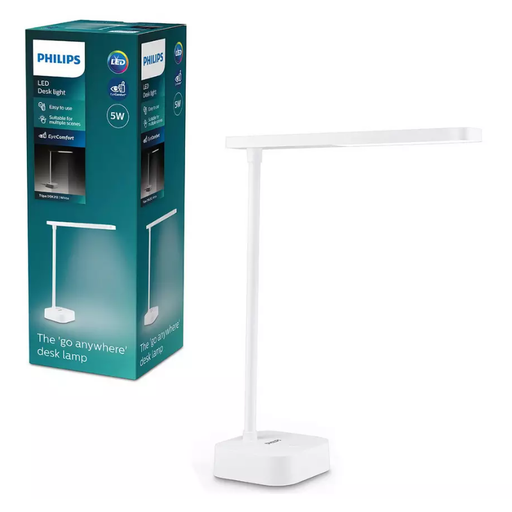
Philips Tilpa LED USB Rechargeable 18W, white
Three brightness settings give you a choice of light levels for desk reading. The lamp has a non-replaceable integrated LED; check its positioning, score coverage and battery runtime before relying on it for a long session.
View on Joybuy
 No image available
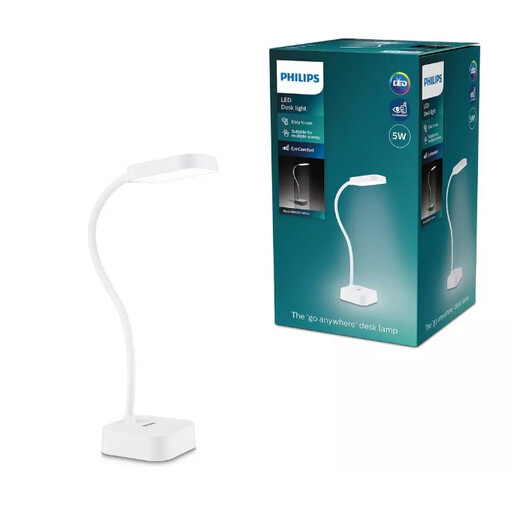
Philips Rock LED USB Rechargeable 18W, white
Three brightness settings and USB-rechargeable operation may suit a reading position that changes. Check whether you can aim the light across your score and whether battery runtime covers the time you need it.
View on Joybuy
Questions about lighting sheet music
Should a desk lamp be the only light in the study?
Usually not. Philips Lighting UK recommends combining task lighting with general room lighting for reading and writing, so light the score locally while keeping enough room light for the surrounding workspace.
Where should I place the lamp if I use a monitor too?
Aim the lamp at the score without directing its beam into your eyes or the monitor. If you mark the music, placing it opposite your dominant hand can help reduce hand shadows; the Health and Safety Executive also advises arranging display-screen lighting to avoid reflections and glare.
Does a high lux figure mean the whole score will be lit?
No: a lux figure applies to its stated measurement point and conditions. BenQ specifies 1,600 lux at the centre from a height of 45 cm for its e-Reading Intelligent, alongside a 90 cm lighting width; compare those conditions with your stand position rather than treating centre brightness as even full-score illumination.
What electrical-product information should I check?
Check the appropriate marking, instructions, warnings and manufacturer name and address before buying a desk lamp, as GOV.UK advises for consumer products. Check the seller information too, and retain the product details if you later need to investigate a safety concern.
What if brighter light still does not make the music clear?
Consider a low-vision assessment if reduced sight is affecting your reading rather than relying on a brighter lamp alone. RNIB describes assessments that can help identify suitable lighting, magnifiers and other equipment for individual needs.


