Small-desk paper readers
If printed notes already occupy most of your desk, the lamp’s base or mounting point and cable route need to leave you space to read and write. Anglepoise describes its 90 Mini Mini as suitable for tiny desks.


Choose a compact freestanding lamp if you need to move it without relying on a desk edge; consider a clip or clamp only after checking that it fits and leaves room for your notes. For paper reading, prioritise controllable brightness and positioning: RNIB advises placing task lighting between you and the page, with the shade below eye level to reduce glare.
If printed notes already occupy most of your desk, the lamp’s base or mounting point and cable route need to leave you space to read and write. Anglepoise describes its 90 Mini Mini as suitable for tiny desks.
You need to direct light onto the paper without looking into the lamp. RNIB recommends keeping a task lamp’s shade below eye level; the RNIB Shop describes the Daylight Twist 2 as having a glare-reducing diffuser.
If close reading is difficult, adjustable task lighting lets you change how the page is lit. Do not assume that a brightness or colour-rendering specification alone will meet individual vision needs.
Work out where the lamp can stand or attach, then consider how you will aim and adjust its light over the notes. The percentages below express how consumers with these different primary needs might be divided; they are not measured purchasing rates.
| Concern | What to check | Who this matters to |
|---|---|---|
| Usable desk space | Measure the space for a base and its cable, or check the desk edge and clearance for a clip or clamp. | If my notes fill the work surface, I need a lamp that does not crowd them out. Around 31% of consumers put usable desk space first. |
| Glare and shadows | Look for an aimable head or arm, dimming or diffusion. RNIB advises keeping the shade below eye level. | When light catches my eyes instead of the page, I want to change its direction or soften it. Glare control comes first for around 31% of consumers. |
| Adjustable page lighting | Compare brightness controls and stated light coverage; check the distance specified for any illuminance figure. | If I switch between faint and densely printed notes, I want to adjust the light to suit the page. Around 25% of consumers make that control their primary concern. |
| Electrical purchase and upkeep | Check the power arrangement, product documentation, whether the LED is replaceable and the support terms. | I want to know how the lamp is powered and what happens if its light source fails. For around 13% of consumers, those purchase and upkeep questions take priority. |
A strong stated output does not tell you whether the lamp can illuminate your notes without direct glare or awkward shadows.
Check how the light can be aimed and dimmed. RNIB advises positioning task lighting between you and the work, with the shade below eye level.
A clamp frees surface space only if there is a suitable, accessible edge and enough clearance around it.
Inspect and measure the desk edge before choosing a clamp lamp; otherwise, compare the dimensions of freestanding bases.
An integrated light source may not offer the straightforward bulb replacement available with a lamp designed for a replaceable bulb.
Check the exact model’s repair, parts and warranty terms before buying.
If the light source fails outside available support, repair or replacement may require more than changing a bulb.
For electrical equipment in Great Britain, conformity marking concerns applicable product requirements; it does not tell you whether a lamp fits your desk or controls glare.
Check the relevant product documentation separately from base size, adjustability and light placement. The Department for Business and Trade states that Great Britain continues to recognise CE marking alongside UKCA marking for relevant products.
Its 90 Mini Mini is a compact articulated option that Anglepoise describes as suitable for tiny desks.
Its e-Reading Intelligent model is an adjustable option for readers considering a wider stated lighting area.
The Twist 2 is presented by the RNIB Shop as a portable task lamp for close work.
The Task is a specialist-lighting option for readers who specifically want its stated adjustment and colour-rendering features.
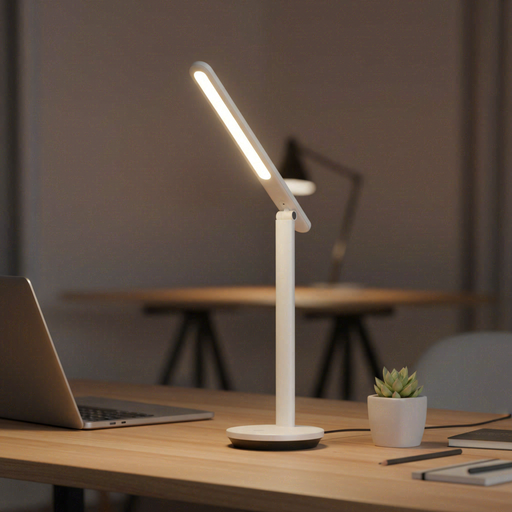
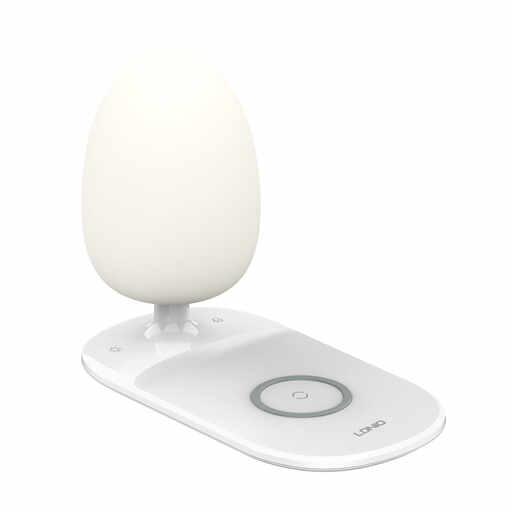
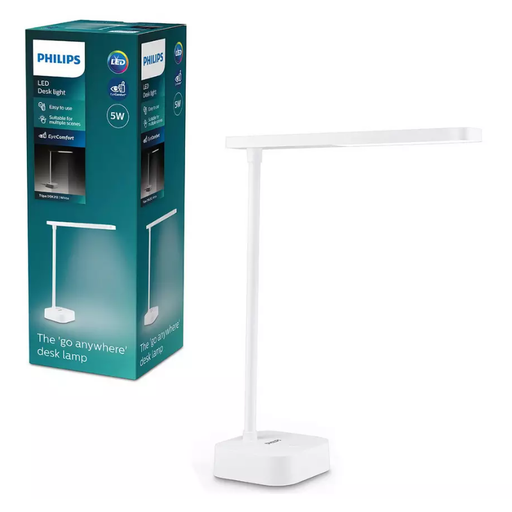
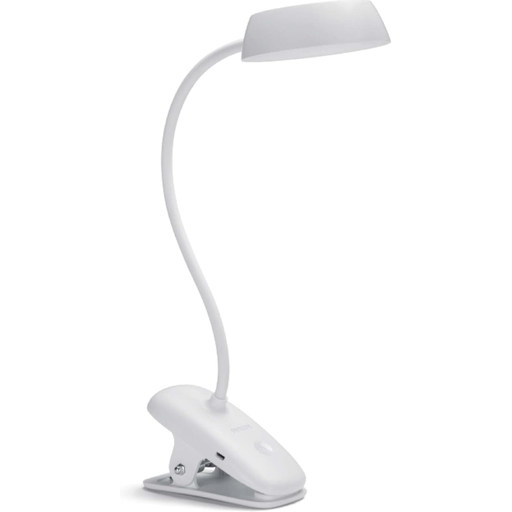
These lamps offer different ways to manage a small reading space: a folding lamp, a desk lamp with charging features, a rechargeable table lamp and a clip-on model. Check each one’s occupied space and how its light can reach your notes before deciding.
 No image available
Consider this folding lamp if you change how your small desk is arranged. Its name specifies rechargeable operation and adjustable brightness; check its dimensions in use and whether its light reaches your reading area.
 No image available
Consider this model if you want a desk lamp with the charging features named in its listing. Check how much room the lamp and charging area need alongside your notes, and whether the light can be directed where you read.
 No image available
This model is worth considering if you want USB-rechargeable operation and a choice of three brightness settings. Check its footprint and whether you can aim the light over your notes; the listed power adapter is not included.
 No image available
The clip-on format may leave more of the work surface free if it fits your desk edge. Check the required edge clearance and whether the light can be aimed across your notes before choosing it.
Aim it at the paper, not your face. RNIB advises placing task lighting between you and the work, with the shade below eye level to reduce glare; check that your hand does not cast an awkward shadow over the notes.
No: it can free worktop space only if the desk has a suitable, accessible edge. If the clamp’s fit or clearance is uncertain, compare a compact freestanding model’s base dimensions instead.
Not necessarily; start with a lamp you can position and adjust without direct glare. A model’s stated colour rendering index, or CRI, may matter more if you also need to distinguish colours, but it does not by itself establish reading comfort.
For relevant products in Great Britain, Department for Business and Trade guidance says CE marking continues to be recognised alongside or in place of UKCA marking. The Office for Product Safety and Standards says electrical equipment placed on the GB market must meet the applicable Electrical Equipment (Safety) Regulations 2016 requirements. Check the product documentation for the lamp you intend to buy; Northern Ireland has different arrangements, so this Great Britain guidance should not be applied there without checking the relevant rules.