
24/7 Customer Support

Free returns

Same-day & Next-day Delivery

Quality Guaranteed

Unlock Your Welcome Offers: FREE Delivery | Up to 80% OFF | Free 30-day JoyPlus trial
Download the APP
The pursuit of radiant, healthy-looking skin has led many to explore treatments previously confined to professional clinics. At-home LED therapy is at the forefront of this shift, offering a non-invasive way to address various skin concerns from the comfort of your home. However, with a growing market of devices, navigating the specifications and features can be daunting.
This guide is designed to clarify the key aspects of choosing an LED face mask. We will break down the technology, highlight important features to look for and present some of our top recommendations to help you make an informed decision for your skin rejuvenation journey.
Before diving into specific models, understanding the core features will empower you to find a device that aligns with your skincare goals.
The effectiveness of an LED face mask lies in its use of different wavelengths of light, which penetrate the skin at varying depths to produce different effects.
The number of individual light-emitting diodes (LEDs) and their placement on the mask can influence the consistency of the light treatment across your face. A higher number of strategically placed LEDs generally provides more comprehensive and uniform coverage, ensuring that all areas of the skin receive a similar intensity of light during a session.
For any skincare tool to be effective, it needs to be used regularly. The material and design of a mask are crucial for comfort. Early models were often rigid and heavy, but many modern options, such as the silicone LED mask, are made from flexible, lightweight materials. These masks conform more closely to the contours of your face, ensuring the LEDs are at an optimal distance from the skin while allowing you to relax or even move around during your treatment.
Here are a few noteworthy options that cater to different needs and preferences, based on their features and design.

Why It Stands Out: The SENSSE Pro offers a balanced combination of features that make it a strong contender for those starting their at-home LED therapy journey. It provides four distinct light settings to address the most common skin concerns, all within a comfortable and user-friendly design.
Pros:
Who is it for? This mask is well-suited for individuals seeking a versatile and straightforward device. It's an excellent choice for targeting concerns like skin firmness, radiance and managing surface impurities without an overwhelming number of settings.
View the SENSSE Pro LED Face Mask

Why It Stands Out: For those who want greater control and more advanced options, the SENSSE Elite elevates the experience. With more lights, more colours and adjustable intensity, it brings a professional LED mask UK feel to your home, allowing for highly personalised treatments. The wireless design adds a significant layer of convenience.
Pros:
Who is it for? This device is aimed at the dedicated skincare enthusiast who wants to fine-tune their routine. If you have multiple skin concerns or simply want the maximum number of options available for your skin rejuvenation mask, the Elite model is a compelling choice.
View the SENSSE Elite LED Face Mask
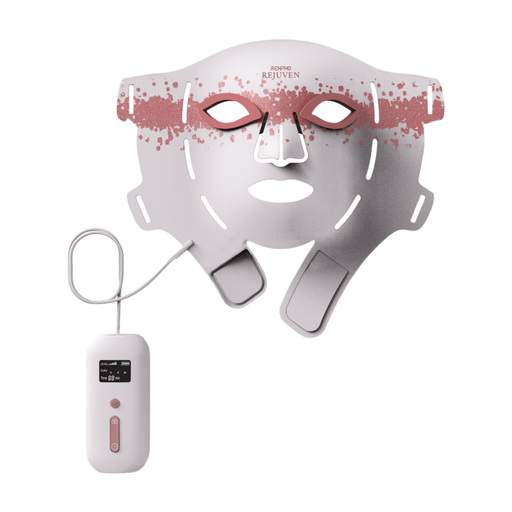
Why It Stands Out: The RENPHO ARTEMIS mask distinguishes itself with an exceptionally high number of LEDs and a focus on combination light therapy. By pairing each primary colour with near-infrared light, it aims to provide a more comprehensive treatment in every session.
Pros:
Who is it for? This mask is ideal for users who prioritise maximum LED density and are interested in the synergistic effects of combining visible light with near-infrared. It's a strong option for those targeting complex concerns like wrinkles and blemishes simultaneously.
View the RENPHO LED Light Soft Mask
The models highlighted here represent just a fraction of the available technology. If your skin concerns or preferences differ, there are many other devices to consider.
Explore our full collection of facial LED light devices to find the perfect match for your skincare routine.
Most manufacturers recommend using an LED mask for 10-20 minutes per session, about 3-5 times per week. However, it is crucial to read and follow the specific instructions provided with your device, as treatment times and frequencies can vary. Consistency is the most important factor for seeing results.
It is generally advised to use an LED mask on clean, dry skin to ensure the light can penetrate effectively. Applying serums or moisturisers after your session may help enhance their absorption. Avoid using products containing ingredients that could cause light sensitivity, such as retinoids, immediately before a session unless specified by the device manufacturer.
When used according to the manufacturer's directions, at-home LED masks are considered a non-invasive skincare tool. Reputable devices sold in the UK will be CE-marked, indicating they meet health and safety standards. Always use the provided eye protection or keep your eyes closed during treatment. If you are pregnant, have epilepsy, are taking light-sensitising medications or have other medical concerns, it is essential to consult a healthcare professional before use.