
24/7 Customer Support

Free returns

Same-day & Next-day Delivery

Quality Guaranteed

Unlock Your Welcome Offers: FREE Delivery | Up to 80% OFF | Free 30-day JoyPlus trial
Download the APP
The world of at-home skincare gadgets can feel like navigating a minefield of marketing claims. The LED face mask is a prime example. Promising to bring the benefits of professional light therapy for face treatments into your living room, these devices are a significant investment. But with so many options, it's easy to make a costly mistake.
As a Joybuy Product Recommendation Officer, my role is to help you see past the hype. Before you commit, let's look at the common pitfalls that catch many UK buyers out and what you should really be looking for to find a device that suits your routine and skincare goals.
Many shoppers focus on flashy features that don't always translate to better results. Here are three frequent traps to be aware of:
To make a sound choice, focus on the fundamental specifications that determine a mask's performance and usability.
Different colours of light penetrate the skin to different depths and are associated with different cosmetic outcomes. Understanding them helps you choose a mask that targets your specific concerns.
The material of the mask is not just about comfort; it's about results. A flexible silicone face mask is often a superior choice. It moulds to the unique contours of your face, ensuring the LEDs are at an optimal distance from your skin for even, consistent light distribution. Medical-grade silicone is also non-porous and easy to clean, making it a more hygienic option.
Check the power source before you buy. A rechargeable, wireless LED mask with a good battery life (look for the number of uses per charge) offers the most convenience. Modern devices typically use a standard USB-C charging port, making them easy to power up at home or while travelling.
Instead of a single "best" model, the right mask is one that fits your lifestyle and skincare priorities. Here are a few options matched to different user profiles.
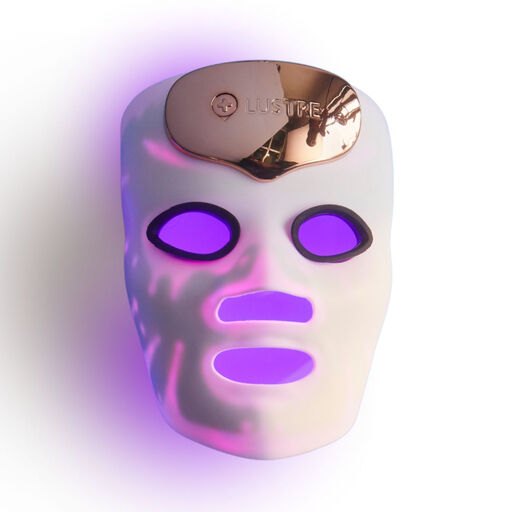
Why This Fits Their Persona: For the busy individual who needs to fit skincare into a packed schedule. The wireless design and quick 10-minute session mean they can answer emails, prepare breakfast or relax without being tied to a plug socket.
It directly counters the "rigid design" and "tethered inconvenience" pitfalls. Its flexible silicone construction ensures a comfortable, snug fit, while the rechargeable battery offers complete freedom of movement.
Features Red, Blue and Near-Infrared light for comprehensive treatment. The smart app control allows for personalised sessions targeting different facial zones.
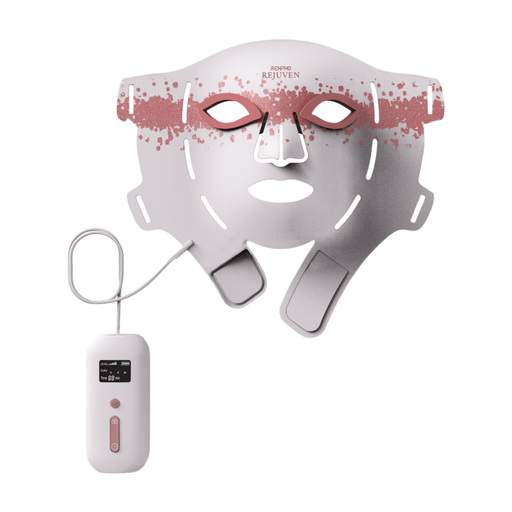
Why This Fits Their Persona: Ideal for the user who wants a versatile device to tackle multiple concerns. With four distinct light modes, including Green light for uneven tone and NIR, it offers a customisable approach to at-home skincare.
This mask sidesteps the "more is better" myth by justifying its high LED count with full-face and jawline coverage and distinct, purposeful modes. The medical-grade silicone ensures the light is delivered effectively.
Offers four light modes (R, B, G, NIR) and five intensity levels for a highly tailored treatment. The adjustable timer (10, 20, 30 mins) provides flexibility for different routines.
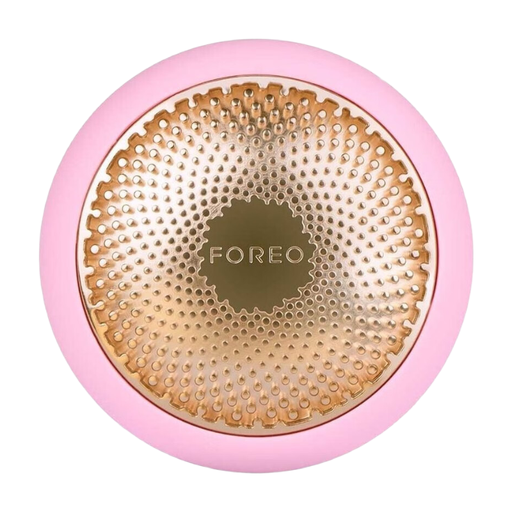
Why This Fits Their Persona: This is for the person who loves innovative technology and wants a multi-functional device. It combines LED therapy with warming (thermo-therapy), cooling (cryo-therapy) and sonic pulsations for a rapid, spa-like facial experience.
It completely bypasses the "rigid mask" problem by being a compact, handheld device that you glide across the skin. This ensures direct contact and makes it highly portable for travel.
Offers a multi-sensory treatment by combining light with temperature and pulsations. The pre-programmed routines via the app make treatments simple and efficient, often in 90 seconds.
Most manufacturers suggest using their devices 3 to 5 times per week for sessions lasting between 10 and 20 minutes. However, it is crucial to read and follow the specific instructions provided with your chosen mask, as treatment times and frequencies can vary. Consistency is more important than longer, infrequent sessions.
Yes, but in the correct order. LED therapy should be performed on clean, dry skin to ensure the light can penetrate effectively. After your session is complete, you can then apply your usual serums, moisturisers or treatments. Some find that their products absorb more readily after a light therapy session.
When purchased from a reputable source and used according to the manufacturer's directions, at-home LED masks are generally considered safe for cosmetic use. They use non-UV light and are far less intense than professional clinical devices. Always ensure the device has built-in eye protection or use the provided goggles. It is also important to check the contraindications list, as these devices may not be suitable for individuals who are pregnant, have epilepsy or are taking photosensitising medications. If you have a pre-existing skin or medical condition, it is always wise to consult your doctor before starting a new treatment.