
24/7 Customer Support

Free returns

Same-day & Next-day Delivery

Quality Guaranteed

Unlock Your Welcome Offers: FREE Delivery | Up to 80% OFF | Free 30-day JoyPlus trial
Download the APP
An LED face mask can make an at-home skincare routine more convenient, but the market is full of devices that look similar while offering very different user experiences. A low price does not always mean poor value and a long list of LEDs does not automatically mean better coverage or performance.
The right choice depends on light wavelengths, comfort, treatment controls, battery design and whether the device genuinely suits your routine. This guide explains the main buying traps and highlights suitable options for different UK shoppers.
Manufacturers often promote the number of LEDs as a headline feature. However, LED quantity alone does not tell you the irradiance, or how much light reaches the skin, nor the treatment dose delivered during a session.
Look for clearly stated wavelengths, treatment duration and coverage. If irradiance or dosage information is unavailable, treat claims about intensity cautiously. A mask with fewer LEDs may still provide practical full-face coverage if they are positioned evenly.
Rigid plastic masks can feel heavy, press against the nose or leave gaps around the cheeks and jawline. If the fit is awkward, you may stop using the device before it becomes part of your routine.
A silicone LED face mask usually offers more flexibility than a fully rigid design. Adjustable straps, eye protection and a hands-free fit are also important, especially if you intend to use the mask while reading or relaxing at home.
App control, multiple colours, heat, vibration and automatic routines can be useful, but they may add complexity and cost. A buyer wanting a quick red and blue light session may not need a device designed around sheet masks, thermotherapy or facial massage.
Check whether the product can be used independently of an app, whether replacement accessories are required and how long charging takes. A rechargeable LED face mask should fit your schedule rather than create another maintenance task.
Different wavelengths are commonly associated with different cosmetic purposes:
These features do not guarantee a medical or cosmetic result. Product descriptions should be read as information about intended use, not as a promise of treatment. A red and blue light face mask may suit someone concerned with both visible signs of ageing and blemishes, while a near-infrared LED face mask may appeal to shoppers seeking a broader multi-spectrum routine.
Prioritise flexible, skin-contact materials that are easy to wipe clean. Check the supplied instructions for cleaning and avoid models that cannot be kept dry around the charging components.
Eye shields, built-in eye protection or protective eyewear should be clearly explained in the manual. Never stare directly at LEDs. Stop using the device if it causes pain, persistent redness, burning or irritation.
A 10-minute automatic shut-off can be easier to maintain than a device requiring manual timing. For wireless use, check the stated battery life, charging port and whether the mask can be used while charging. It is generally sensible to charge a beauty device away from water and follow the supplied cable and power instructions.
For UK purchases, review the product safety information, responsible seller details and applicable conformity markings before buying. A light therapy device is not suitable for everyone. Consult a healthcare professional before use if you have a photosensitive condition, take prescription medicines that increase light sensitivity, are pregnant or have a skin condition. Do not use on broken, infected or severely irritated skin.
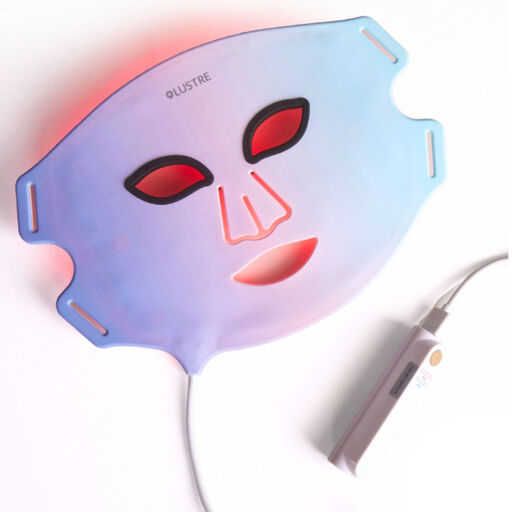
Why This Fits Their Persona: A straightforward option for UK shoppers starting an at-home light therapy routine, with one-button operation and 10-minute sessions.
It states its red 640nm and blue 465nm settings instead of relying only on general light therapy wording.
Flexible silicone construction, rechargeable cordless use, adjustable straps and automatic shut-off.

Why This Fits Their Persona: Suitable for shoppers who want a flexible, wireless device with app-based personalisation and a short routine.
The product specifies red 630nm, blue 415nm and near-infrared 830nm light, as well as a 10-minute automatic shut-off.
Four facial-zone app personalisation, USB-C charging and a stated battery life of up to 120 minutes per charge.
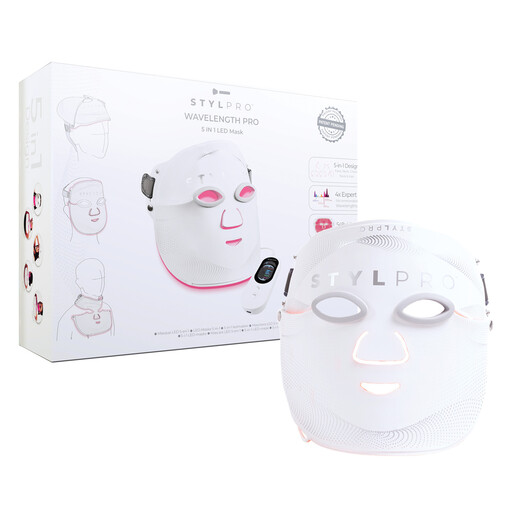
Why This Fits Their Persona: Designed for frequent users who want several light modes, face-and-neck coverage and a portable cordless format.
Its usage and charging information is stated clearly: approximately 8–12 uses per charge and a 3.5-hour full recharge time.
Five-in-one LED modes, 5,000mAh rechargeable battery, adjustable straps, eye comfort pads and storage bag.
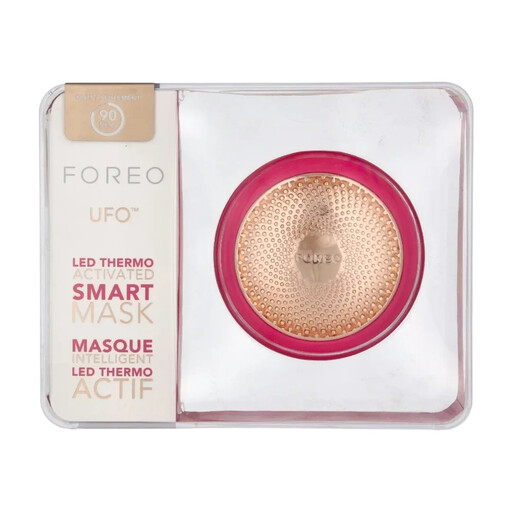
Why This Fits Their Persona: A compact choice for users who prefer app-guided routines combining LED light with temperature and pulsation features.
The product explains its app pairing, treatment sequence and compatible power-activated masks, helping buyers understand the ongoing format.
Red, green and blue LED settings, thermo- and cryo-therapy, T-Sonic pulsations and cordless portability.
An at-home device should complement, not replace, ordinary skincare basics such as cleansing, moisturising and daytime sun protection.
Follow the specific product manual. Many consumer devices use sessions of around 10–15 minutes, but frequency varies by model and light mode. More frequent use is not automatically more suitable.
Battery life depends on capacity, selected mode and session duration. For example, the LUSTRE Renew Pro listing states up to 120 minutes per full charge, while the STYLPRO Wavelength Pro lists approximately 8–12 uses. Battery performance can reduce over time, so check charging specifications and warranty information before purchase.
Usually, the electricity used for charging a small rechargeable skincare device is limited compared with larger household appliances. Your actual running cost depends on the device’s power input, charging frequency and local electricity tariff. The battery and charger specifications provide a more reliable guide than general marketing statements.