
24/7 Customer Support

Free returns

Same-day & Next-day Delivery

Quality Guaranteed

Unlock Your Welcome Offers: FREE Delivery | Up to 80% OFF | Free 30-day JoyPlus trial
Download the APP
A reliable LED floodlight can transform your property, improving security, making driveways safer and extending the use of your garden into the evening. However, the market is filled with options that look similar but perform very differently. Choosing the wrong one can lead to disappointment, wasted money and the hassle of replacement.
As a Joybuy Product Recommendation Officer, my role is to help you navigate these choices. We will look at the common pitfalls to avoid and the key features that genuinely matter, ensuring you find a light that serves you well for years to come.
Many outdoor lights fail prematurely or simply don't deliver on their promises. Here are the three most common issues that UK homeowners encounter:
To ensure you get a durable and effective outdoor security light, focus on these three core specifications.
Forget watts and focus on lumens. This figure tells you exactly how much light the unit produces. Here is a simple guide for common applications:
The IP rating is a two-digit number that defines a product's resistance to solids (first digit) and liquids (second digit). For a weatherproof floodlight in the UK, look for IP65 as a minimum for exposed areas.
The colour of the light has a significant impact on both visibility and atmosphere.
Instead of a generic list, we have matched specific floodlights to the people who need them.
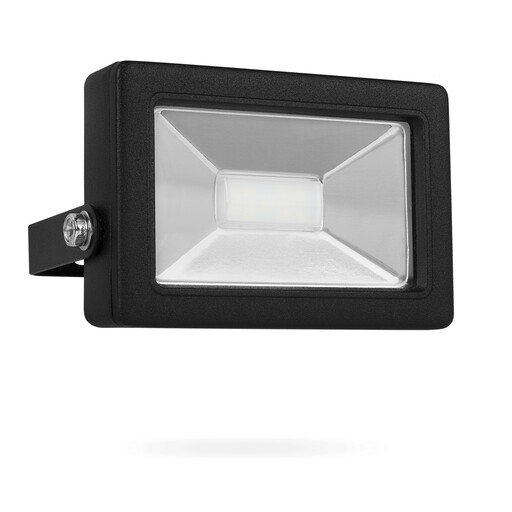
Why This Fits Their Persona: This is for someone who needs reliable, no-fuss lighting for a back door, shed or pathway. It provides enough light to find your keys and see your footing without being overwhelmingly bright or expensive to run.
It has a proper IP65 led light rating, ensuring it will survive year-round outdoor exposure, unlike many affordable lights that fail after the first winter.
Compact and energy-efficient, its slim profile blends neatly onto any wall. The 650-lumen output is ideal for targeted illumination.
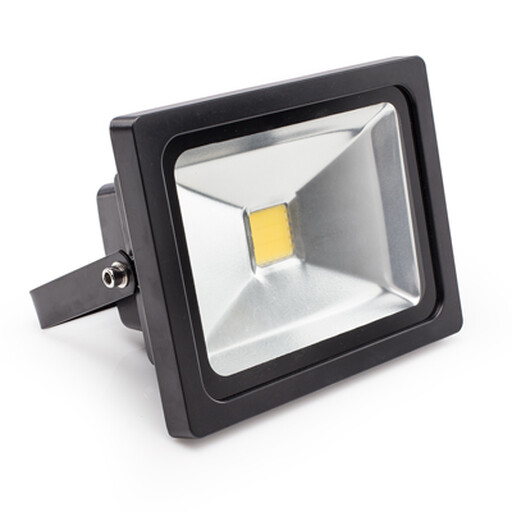
Why This Fits Their Persona: For those needing to illuminate a large driveway, car park or the entire side of a building. Its high brightness and wide beam angle are designed to eliminate dark spots and enhance security.
It provides a genuine 2400 lumens of brightness, avoiding the trap of underpowered lights. The IP65 rating ensures it is a durable, long-term security investment.
The wide 110° beam angle provides broad, even coverage, which is more effective for security than a narrow, focused spotlight.
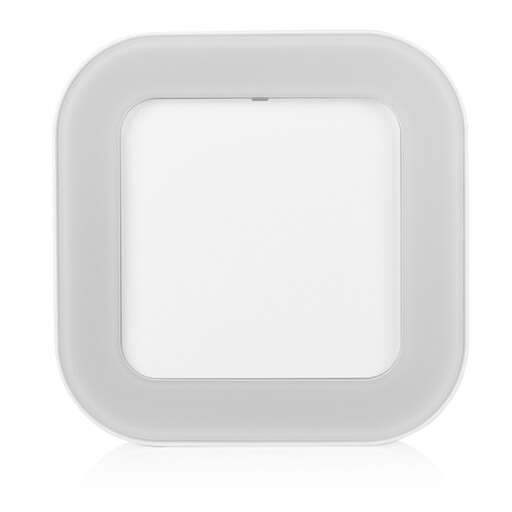
Why This Fits Their Persona: This is for someone who values aesthetics as much as function. It's not a harsh floodlight, but a stylish wall light that creates a warm, welcoming atmosphere for outdoor dining or relaxing.
It focuses on the right kind of light for the job—a 3000K warm white tone—avoiding the common mistake of using harsh, industrial-style light in a social space.
The modern aluminium design complements contemporary homes and the integrated LED has a very long operational life of up to 30,000 hours.
We have compiled a complete, real-time list of products that fully satisfy these strict selection criteria and UK safety regulations.
Far less than you might think. To calculate the cost, you find the light's power in kilowatts (kW) and multiply it by the hours of use and your electricity rate (pence per kWh). For example, a 20W LED floodlight is 0.02 kW. If you run it for 5 hours a night at an electricity rate of 25p per kWh, the daily cost would be:
0.02 kW x 5 hours x ?0.25/kWh = ?0.025, or just 2.5 pence per night.
In the UK, electrical work in specific locations like gardens falls under Part P of the Building Regulations. While replacing an existing light fitting can sometimes be a DIY job for a competent person, installing a new circuit for a mains powered outdoor light must be carried out by a qualified electrician who can certify the work. For safety and compliance, we always recommend consulting a professional.
A quality LED floodlight should have an operational lifespan of between 25,000 and 50,000 hours. If you use the light for an average of 6 hours per night, even a 25,000-hour unit could last for over 11 years. This long life, combined with low energy use, makes them a very practical and cost-effective lighting solution.