
24/7 全天候客户支持

免费退货

当日/次日达

品质保障

开启新人专享福利: 全场免邮 | 低至 2 折 | 免费试用 30 天 JoyPlus 会员
下载 Joybuy
Navigating the market for a new LED head torch can feel like you're already lost in the dark. With a flood of technical jargon and bold claims, it's easy to end up with a gadget that either dies halfway through your task or provides a beam so weak it's barely better than a candle. As your Joybuy Product Recommendation Officer, my role is to help you see through the marketing glare and focus on what truly matters.
Many shoppers fall into a few common traps. First is the "lumen illusion," where impressively high numbers on the packaging don't translate to useful light in reality. Second, many are caught out by exaggerated battery runtimes, which often refer to the dimmest, barely-usable setting. Finally, a "weather-resistant" label can be misleading, failing to protect the device from a typical British downpour, leading to a frustratingly short product life. Let's illuminate the key features that will ensure your purchase is a practical and lasting one.
Before adding any hands-free torch to your basket, it's essential to understand a few core parameters. Getting these right means the difference between a reliable tool and a drawer-filler.
The brightness of a head torch is measured in lumens. While a higher number generally means more light, it's not the whole story. A bright head torch is one that uses its power effectively.
For any outdoor use in the UK, from a late-night dog walk to a multi-day hike, a waterproof head torch is non-negotiable. This is indicated by an IP (Ingress Protection) rating.
Consider how you will use your torch. For frequent use, a rechargeable model might be more cost-effective. For emergency kits or occasional use, one that takes standard AAA batteries, like the popular Energizer head torch models, ensures you can always have spares on hand.
Also, look for useful modes. A head torch with red light is a key feature for campers and astronomers. Red light preserves your night vision, allowing your eyes to remain adjusted to the dark while you read a map or find something in your pack.
Instead of a simple list, we've matched our recommendations to specific user needs. This ensures you get a product that genuinely fits your lifestyle.
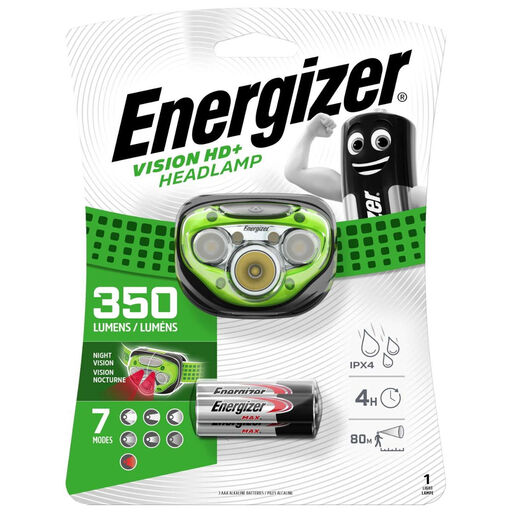
Why This Fits Their Persona: This is an ideal hands-free torch for the UK homeowner, dog walker or casual camper. It offers a great balance of brightness, durability and user-friendly features from a trusted brand, making it a reliable choice for everyday tasks and light adventures.
It provides clear, verifiable specifications: a 350 lumen output, a defined IPX4 water-resistance rating and specific runtimes for high (4 hours) and low (35 hours) modes. This transparency cuts through the vague marketing hype.
Features multiple modes including spotlight, floodlight and a red light for night vision. The "Next Push Off" technology prevents you from having to cycle through all modes to turn it off.
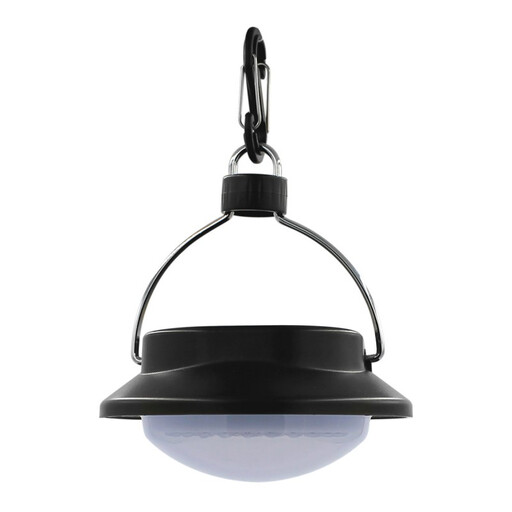
Why This Fits Their Persona: While not a head torch, this is the perfect companion for it. It provides ambient, area-wide light inside a tent, freeing up everyone's head torch for personal tasks. It's ideal for family meals, card games or getting organised at the campsite.
This light offers clear, practical functionality. Instead of vague promises, it has three distinct brightness modes (5, 17 and 60 LED) so you can choose between soft ambient light and bright, functional illumination.
It's extremely lightweight (120g) and features a simple S-hook for easy hanging. The dual power options (AAA batteries or USB) provide excellent flexibility whether you're off-grid or at a powered campsite.
While a head torch is essential for personal tasks, equipping your campsite or garden requires a different approach. Explore our full range of lighting that meets our strict selection criteria for performance and UK safety.
For general tasks like walking the dog or working in the garage, 100-200 lumens is often sufficient. For trail running or hiking in complete darkness, 300-500 lumens provides a good balance of brightness and battery life. Anything higher is typically for specialised activities like search and rescue.
Absolutely. The red light mode allows you to see in the dark without constricting your pupils. This means when you turn the light off, your eyes are still adjusted to the darkness, which is invaluable for stargazing, checking on sleeping children in a tent or navigating without disturbing wildlife.
Always look for runtimes specified for different brightness levels. The maximum runtime (e.g., "100+ hours") almost always refers to the lowest possible setting, which may be too dim for practical use. A more useful metric is the runtime on the high or medium setting, which is what you will likely use most often.