
24/7 Customer Support

Free returns

Same-day & Next-day Delivery

Quality Guaranteed

Unlock Your Welcome Offers: FREE Delivery | Up to 80% OFF | Free 30-day JoyPlus trial
Download the APP
Upgrading your car's lighting from dim, yellow halogens to crisp, white LED headlight bulbs seems like a straightforward way to improve night-time visibility and safety. However, the market is flooded with options, and many drivers find themselves disappointed with bulbs that flicker, trigger dashboard warnings or fail to fit.
As a Joybuy Product Recommendation Officer, my role is to help you navigate this confusing landscape. Before you make a purchase, be aware of these common pitfalls that can lead to wasted money and frustration.
To ensure your car headlight upgrade is successful, focus on these non-negotiable specifications.
Your car's headlight housing is designed for a specific bulb type. This is not a one-size-fits-all situation. Common fitment codes include H7 LED bulb, H4 LED headlight bulb and 9005 LED bulb. Installing the wrong type will not work and could damage your vehicle's headlight assembly.
A quality LED bulb should replicate the beam pattern of the halogen it replaces. This ensures the light is focused on the road and cut off correctly to avoid blinding other drivers. This is a critical safety feature and a key point for MOT inspections.
Alongside the pattern, consider the colour. Most drivers prefer 6000K cool white headlights. This colour temperature provides a modern, clean look and can improve the perception of contrast on dark roads.
LED chips generate heat, and managing it is vital for their longevity and performance.
For modern vehicles, a bulb with a built-in CANbus ready LED driver is essential. This small electronic component helps the bulb communicate correctly with your car's computer, minimising the risk of error messages or flickering.
Instead of a generic list, we've matched specific bulbs to the drivers who will benefit most from them.
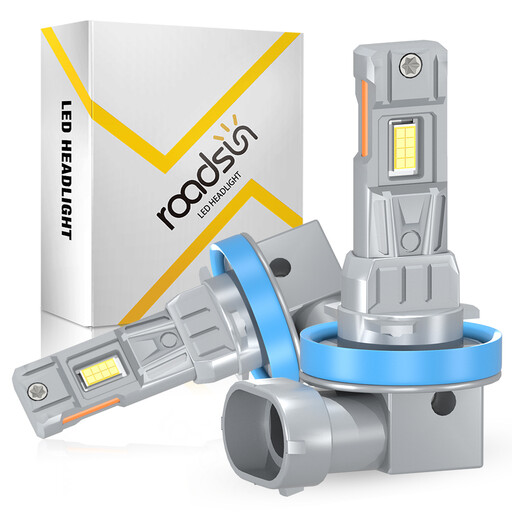
Why This Fits Their Persona: Ideal for the UK driver who wants a noticeable improvement over halogen without the fuss. The emphasis on a quick, tool-free installation makes it perfect for a first-time DIY car headlight upgrade.
It directly counters the "universal fit" pitfall. Its 1:1 replacement design ensures it fits into factory housings and allows the original dust cover to be reinstalled, protecting the unit from moisture.
True plug and play headlights design for a 3-minute installation. No extra adapters or wiring modifications are needed.
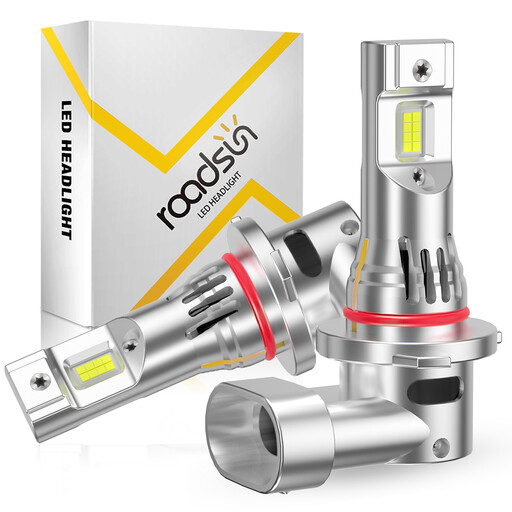
Why This Fits Their Persona: For those who frequently drive on unlit country lanes or motorways after dark. This bulb focuses on delivering sustained, high-intensity light for maximum forward visibility and safety.
It addresses the brightness trap. While bright, its use of CSP chips creates a focused beam pattern that mimics daylight, enhancing clarity without causing dangerous glare for oncoming traffic.
Features a high-performance turbo fan and aviation aluminium housing to actively cool the chips, ensuring consistent brightness over long drives and contributing to a 50,000-hour lifespan.
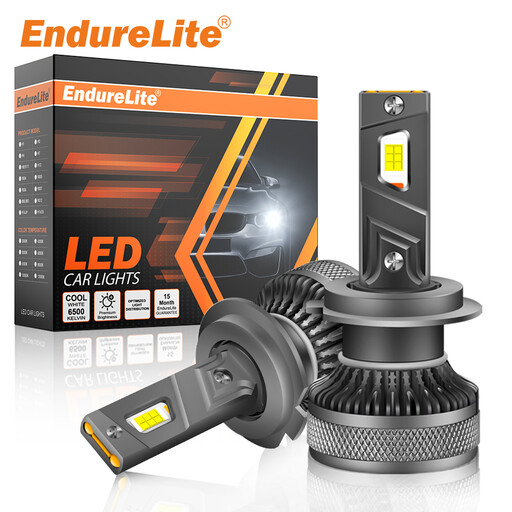
Why This Fits Their Persona: A solid, all-round choice for the daily commuter. It offers a significant upgrade in visibility and longevity over standard halogen bulbs without unnecessary bells and whistles, representing excellent long-term value.
This bulb helps avoid the CANbus trap for a wide range of vehicles. Its built-in intelligent driver is designed for high compatibility, reducing the likelihood of flickering or error warnings on many common UK cars.
An impressive 50,000-hour operating life means you can install them and forget about replacements for years. The H4 fitment combines high and low beams in one bulb, common in many popular hatchbacks.
We have compiled a complete, real-time list of products that fully satisfy these strict selection criteria and UK safety regulations.
The regulations surrounding aftermarket lighting can be complex. As a general guide, for a car to pass its MOT, a replacement LED bulb must be a like-for-like swap for the original halogen unit, fit correctly in the housing and—most importantly—produce a clean, correct beam pattern with a clear cut-off that doesn't dazzle other road users. It is always advisable to check the latest guidelines on the official GOV.UK website for MOT inspection manuals before making a purchase.
For most vehicles, LED headlight bulbs are designed as a halogen bulb replacement that you can fit yourself. The process usually involves opening the bonnet, removing the headlight's dust cover, unclipping and removing the old bulb and then inserting and securing the new one. However, on some cars, access to the bulbs can be very restricted, requiring the removal of other components. If you are not comfortable doing this, a quick visit to a local garage is a good option.
Yes, significantly. A standard halogen headlight bulb has an average lifespan of around 1,000 hours. In contrast, most quality LED headlight bulbs are rated for 30,000 to 50,000 hours or more. This exceptional longevity means that while the initial cost is higher, you save money and hassle over the long term by avoiding frequent replacements.