
24/7 Customer Support

Free returns

Same-day & Next-day Delivery

Quality Guaranteed

Unlock Your Welcome Offers: FREE Delivery | Up to 80% OFF | Free 30-day JoyPlus trial
Download the APP
Replacing dim halogen bulbs can improve the appearance and usability of your car’s lighting, but choosing LED headlight bulbs based only on a large lumen figure can lead to wasted money, poor beam control or dashboard warnings. The right purchase starts with compatibility, headlamp design and responsible road use.
Listings may advertise figures such as 20,000LM or “300% brighter”. These figures describe the product specification or the seller’s comparison, but they do not automatically show how much useful light reaches the road. A bulb with poorly positioned chips can create scattered light, dark patches or glare for oncoming drivers.
Look for a 1:1 replacement design, narrow chip placement and information about beam pattern. After installation, check the beam alignment against a wall and arrange professional adjustment if necessary.
Terms such as “universal fit” and “99% compatibility” should not replace a proper fitment check. A 9005/HB3 socket is different from a 9006/HB4, while H1 and 9012/HIR2 LED bulbs have their own base and locking arrangements. Your vehicle may also use separate bulbs for dipped beam, main beam and fog lights.
Check the owner’s manual, the original bulb marking or a reliable vehicle parts catalogue before ordering. Confirm that the available space can accommodate a heat sink or cooling fan.
LED conversions can trigger bulb-out warnings or flickering if the vehicle’s monitoring system does not recognise the lower electrical load. CANbus-ready headlights are designed to reduce this risk, although compatibility is still vehicle-dependent.
Cooling is another practical consideration. Fan-cooled bulbs may require clearance and can produce audible noise. Passive cooling is quieter but may have different heat-management limits. In the UK, confirm that the conversion is suitable for your vehicle and headlamp housing, does not cause glare, and meets applicable road-use and MOT requirements. If uncertain, ask a qualified garage or check with your insurer.
The bulb code is the first non-negotiable specification. Common choices include:
Measure the rear clearance before buying a fan-equipped model. A housing cap may not close once the replacement bulb is installed.
A 6000K cool white headlight produces a noticeably whiter appearance than a warm halogen bulb. Colour preference is subjective, but a cooler tint does not by itself guarantee better visibility in rain or mist. For fog lights, check the vehicle’s original specification and local road-use requirements before changing colour or intensity.
Beam control matters more than appearance. The LED chips should sit in a position similar to the original filament so that the reflector or projector can shape the light correctly.
Many products list a 50,000-hour lifespan. Treat this as a stated product rating rather than a guarantee of service life in every vehicle, as heat, vibration, voltage and operating conditions affect durability. Built-in fans, aluminium housings and IP-rated water resistance are useful specifications, but they also introduce moving parts and installation-clearance requirements.
A high advertised output, such as 20,000LM LED bulbs, should be compared alongside wattage, cooling design, chip type, warranty and beam information.
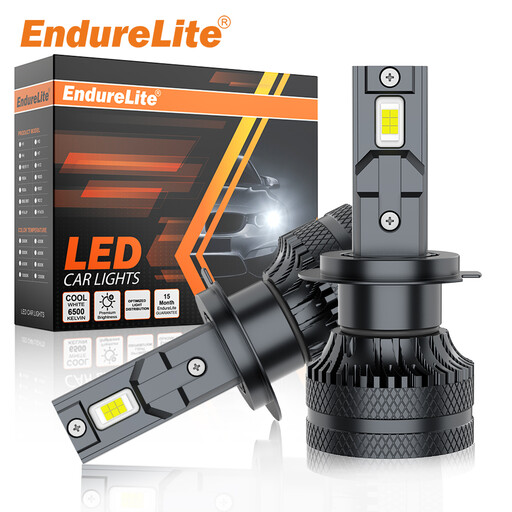
Why This Fits Their Persona: A practical option for DIY vehicle owners whose car is confirmed to use H1 bulbs and who want a plug-and-play replacement with a white colour temperature.
The listing identifies the H1 model, CANbus-ready design and 1:1-style installation, helping buyers check the key details before ordering rather than relying on a generic fit claim.
The product information lists 6000K cool white output, CSP chips, fan cooling and a stated 50,000-hour operating life.
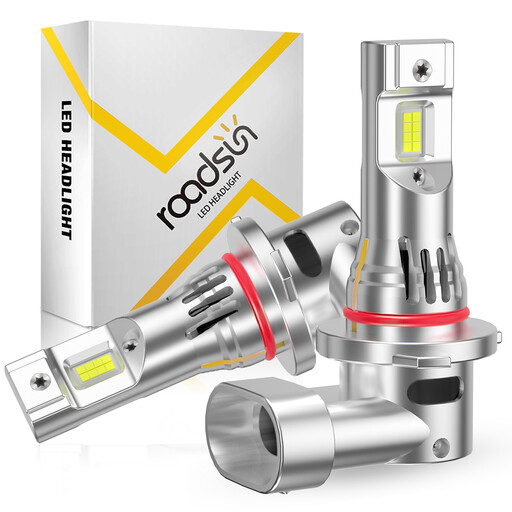
Why This Fits Their Persona: Suited to drivers seeking a 9005/HB3 replacement with active cooling and a daylight-style appearance, provided their vehicle’s socket and housing are compatible.
Its stated 1:1 design and plug-and-play format address alignment and wiring concerns, while the turbo fan highlights the need to plan for rear clearance.
Listed features include CSP chips, a turbo fan, no-flicker driver and a stated 50,000-hour lifespan.
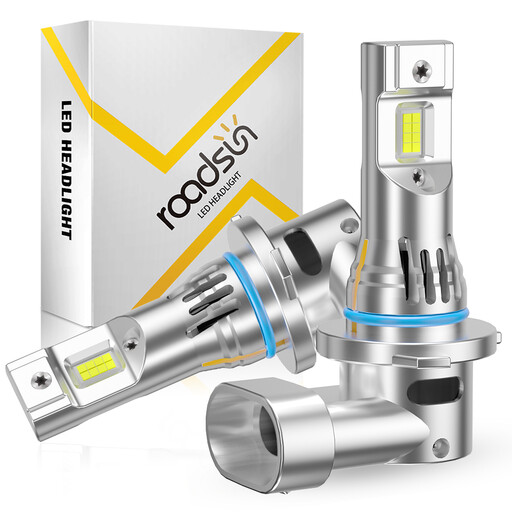
Why This Fits Their Persona: Designed for drivers specifically checking an HB4/9006 fog-light application and wanting active cooling for frequent use in wet or low-visibility conditions.
The dedicated HB4/9006 designation reduces the risk of ordering the wrong base. Buyers should still verify housing compatibility and road-use suitability before fitting.
The listing specifies 6500K white light, CSP chips, turbo-fan cooling, a no-flicker driver and a stated 50,000-hour life.
If your vehicle still shows flickering after installation, a CANbus adapter may be required. Do not fit an adapter unless it is suitable for the vehicle and installed according to its instructions.
We have compiled a complete, real-time list of products that fully satisfy these strict selection criteria and UK safety regulations.
Legality depends on the bulb, vehicle, headlamp housing and intended road use. A retrofit may affect beam pattern, glare and MOT performance. Check the manufacturer’s road-use information and current UK requirements, and seek advice from a qualified garage if the position is unclear.
Some listings state a 50,000-hour lifespan, but this is a product rating rather than a guaranteed period for every vehicle. Heat, vibration, voltage and cooling conditions can affect real-world service life.
LEDs commonly use a different power level from halogen bulbs, but the exact consumption varies by model. Check the listed wattage and your vehicle’s electrical monitoring system. CANbus-ready designs may reduce warning-light problems, but they do not guarantee compatibility with every car.