
24/7 Customer Support

Free returns

Same-day & Next-day Delivery

Quality Guaranteed

Unlock Your Welcome Offers: FREE Delivery | Up to 80% OFF | Free 30-day JoyPlus trial
Download the APP
Upgrading your car's lighting from dim, yellow halogens to crisp, bright white LED headlight bulbs seems like a straightforward decision. It promises better night-time visibility, a modern look and enhanced safety on UK roads. However, the path to a successful car light upgrade is filled with pitfalls that can leave you with flickering lights, dashboard error messages and a failed MOT.
As the Joybuy Product Recommendation Officer, my role is to help you navigate the market. Before you spend your money, let's look at the three most common traps that catch out UK drivers and how to sidestep them.
To ensure your new LED headlight bulbs are an improvement, not a problem, focus on these non-negotiable specifications.
This is the most critical factor for compatibility. The code, such as H7 LED bulb, H4 LED headlight or H11 car bulbs, refers to the specific shape and design of the bulb's base.
Always check your vehicle's owner's manual or inspect the existing bulb to confirm the correct fitment type before purchasing. A 1:1 mini design, which mimics the exact dimensions of the original halogen bulb, is often the easiest to install.
As mentioned, CANbus compatibility is essential for many UK vehicles. Look for bulbs advertised as CANbus error free or those with a built-in intelligent driver. For some sensitive systems, particularly on premium German marques, an additional CANbus decoder may still be required.
Equally important is the cooling system. LEDs generate heat, and without effective dissipation, their lifespan and performance will degrade rapidly. Look for bulbs constructed from aviation-grade aluminium with either a high-speed mini fan or a fanless design that uses passive heat sinks. An efficient cooling system is what allows a bulb to achieve a long operating life of 50,000 hours or more.
Brightness is measured in lumens (lm), while the colour of the light is measured in Kelvin (K). For bright white headlight bulbs, look for a colour temperature between 6000K and 6500K. This produces a crisp, modern white light that is close to natural daylight. While higher lumen counts suggest a brighter bulb, the quality of the LED chips and the design of the bulb are what determine a focused, effective beam pattern.
We have filtered through the options to match specific products to common UK driver profiles, helping you find a reliable car light upgrade.
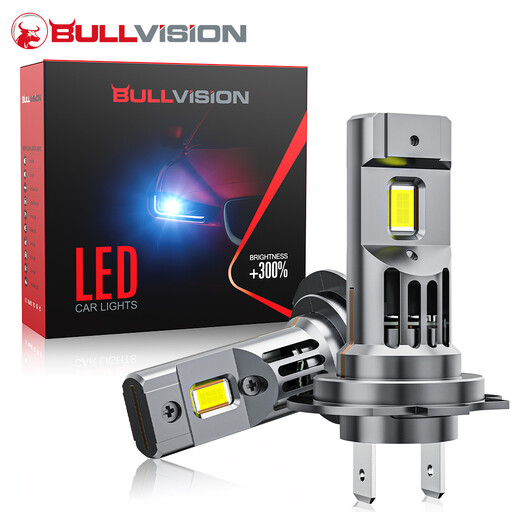
Why This Fits Their Persona: This user needs a noticeable and reliable improvement over stock halogens for daily driving, without a premium price tag. They value an easy, no-fuss installation for their family car or daily runaround.
Its integrated, plug-and-play design avoids the "universal fit" trap by closely matching the size of original bulbs, making for a straightforward DIY installation without modifications.
Provides a significant brightness boost and a modern 6000K cool white light at an accessible price point. The aircraft-grade aluminium body ensures decent heat dissipation for its class.

Why This Fits Their Persona: This driver prioritises maximum illumination and reliability for their modern vehicle. They want high-lumen output for spirited B-road driving and need a bulb that works flawlessly with a sensitive European electrical system.
It directly addresses the CANbus pitfall by incorporating an advanced driver system designed for high compatibility with 98% of vehicles, reducing the risk of dashboard errors or flickering.
Features a very high light output (30,000LM per pair) and an active high-speed turbo fan for efficient cooling, ensuring sustained performance and a long lifespan under demanding use.
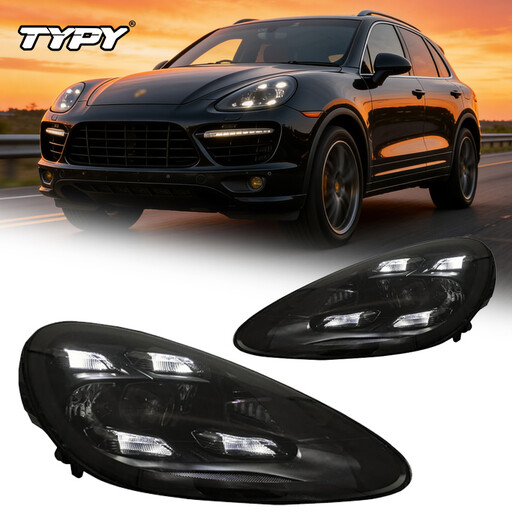
Why This Fits Their Persona: This owner isn't just replacing a bulb; they're performing a complete aesthetic and functional overhaul. They want to update their premium vehicle, like a Porsche Cayenne, to the latest factory look and lighting technology.
As a complete headlight assembly replacement, it eliminates all guesswork regarding fitment and beam pattern. It's engineered specifically for the vehicle, ensuring a perfect fit and OEM-level integration.
Delivers a complete visual transformation to a modern LED Matrix style. These plug-and-play units for specific models like the Porsche Cayenne or BMW F32 headlights offer superior illumination and a flawless factory finish.
Beyond headlights, a full vehicle lighting upgrade can include powerful LED fog lights for adverse weather and even car interior LED lights to modernise the cabin ambience.
We have compiled a complete, real-time list of products that fully satisfy these strict selection criteria and UK safety regulations.
This is a common and important question. For a vehicle to be road legal and pass its MOT, the entire headlight unit must project a correct beam pattern that doesn't cause glare or dazzle to other road users. While many aftermarket LED bulbs are not officially E-marked for road use as standalone replacements in halogen units, the key is performance. If the bulb, when fitted in your specific headlight housing, maintains the original, correct beam pattern, it is likely to pass an MOT. It is always advisable to check the latest DVSA guidelines and have your headlight alignment checked after installation.
Many modern plug and play LED headlights are designed for straightforward DIY installation, often taking just a few minutes per side. However, access to the bulbs can be tight on some car models, and you should never touch the LED chips with your bare hands. If you are not confident working on your vehicle, professional installation is always a safe and recommended option.
No, quite the opposite. LED technology is significantly more energy-efficient than halogen. An LED bulb produces far more light for the same amount of power, meaning it actually draws less current from your car's electrical system. This reduces the load on your alternator and battery, making them a more efficient choice.