
24/7 Customer Support

Free returns

Same-day & Next-day Delivery

Quality Guaranteed

Unlock Your Welcome Offers: FREE Delivery | Up to 80% OFF | Free 30-day JoyPlus trial
Download the APP
Upgrading your car's standard halogen lights to modern LED headlight bulbs is one of the most effective ways to improve night-time driving safety and visibility. However, the market is flooded with options, and many drivers fall into common traps, wasting money on bulbs that underperform, fail prematurely or even cause legal issues with your MOT.
As the Joybuy Product Recommendation Officer, my role is to help you navigate the marketing clutter. Before you spend a penny, let's look at the most frequent pitfalls UK drivers encounter and how to sidestep them.
To ensure you get a reliable and effective upgrade, focus on these three non-negotiable specifications.
The single most important factor for both safety and MOT compliance is the beam pattern. An LED bulb must replicate the precise light source position of the original halogen bulb it replaces.
Look for bulbs advertised with a 1:1 mini size or a design that matches the filament position of your original bulb (e.g., for an H7 LED bulb upgrade). This ensures the light is correctly focused by your car's headlight reflector or projector housing, creating a sharp cut-off line that illuminates the road and kerb without dazzling other road users.
Most vehicles manufactured in the last 15-20 years use a Controller Area Network (CANbus) system to monitor the vehicle's electronics. Because LED bulbs draw less power than halogens, the CANbus system can mistakenly interpret this as a fault, leading to a "bulb out" warning on your dashboard or flickering lights.
To avoid this, choose bulbs that are advertised as CANbus error free headlights. These have built-in resistors or decoders that communicate correctly with your car's computer, ensuring a smooth, error-free operation. This is particularly important for European car brands.
An effective cooling system is the key to a long lifespan and sustained brightness. Look for bulbs constructed from aviation-grade aluminium and featuring an active cooling system, such as a high-RPM turbo fan. This combination actively pulls heat away from the LED chips, preventing them from overheating and degrading over time.
For colour, 6000K cool white LED bulbs have become the industry standard. This colour temperature provides a crisp, modern look that is very similar to natural daylight, which can help reduce eye strain and improve the visibility of road signs and hazards during night driving.
Based on these practical criteria, here are a few options from our catalogue, matched to different types of UK drivers.
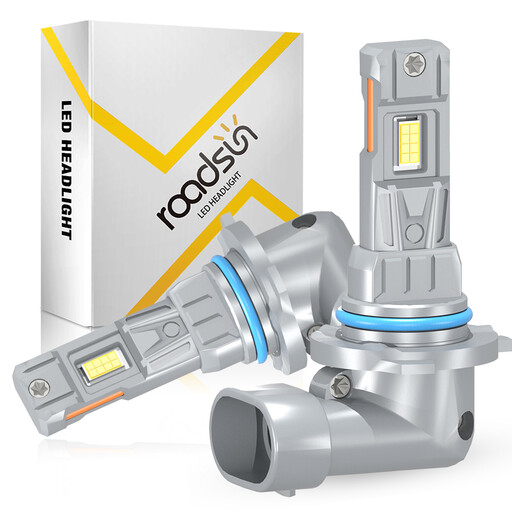
Why This Fits Their Persona: Ideal for the driver doing daily runs to work or the school drop-off. They need a reliable, no-fuss upgrade that improves safety on familiar roads without a significant investment. The easy installation is a major plus for those who aren't dedicated DIY mechanics.
Its 1:1 mini size is designed to fit directly into factory housings without modification, avoiding the "plug and play deception." The aluminium alloy housing and integrated heat dissipation system address the cooling pitfall for better longevity.
True plug-and-play installation with no extra adapters needed. The design focuses on maintaining the original beam pattern to prevent dazzling other drivers.
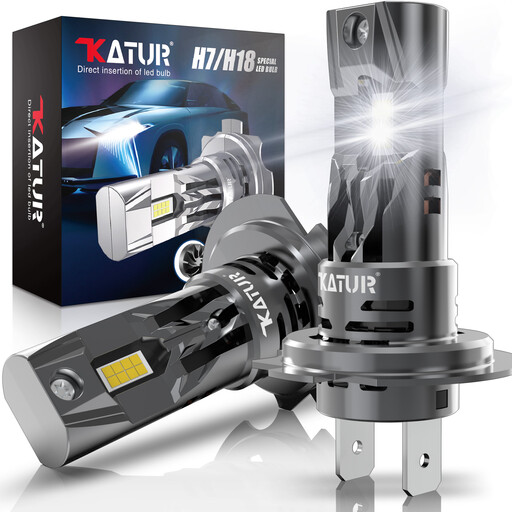
Why This Fits Their Persona: This user enjoys working on their car and seeks a noticeable performance upgrade. They appreciate technical specifications and want a product with robust components that deliver a clear improvement in brightness and beam quality for their weekend drives or projects.
It sidesteps the "ultra-bright" myth by focusing on a quality beam shape ("in a line and spotlight") thanks to ultra-thin chip spacing. The powerful 16,000RPM turbo fan and aviation aluminium body directly counter the poor cooling pitfall.
Features a smart external driver and is advertised as 98% Canbus ready, making it suitable for a wide range of vehicles, including more sensitive ones. The active cooling system is designed for high performance and durability.
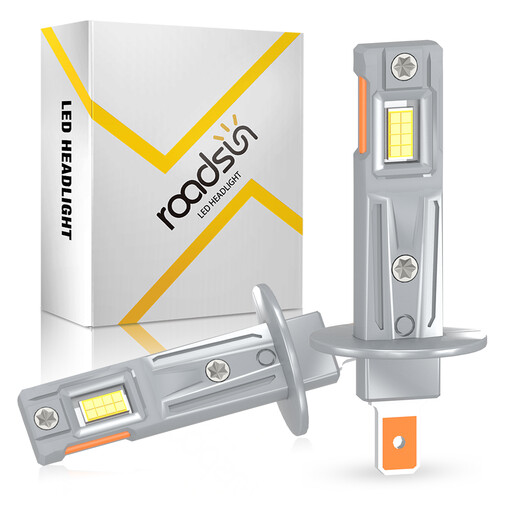
Why This Fits Their Persona: This is for the driver who frequently navigates country lanes, motorways in heavy rain or foggy conditions. They need reliable **LED fog lights** that offer strong penetration to cut through poor weather, prioritising safety above all else.
This bulb focuses on "strong penetration performance" rather than just brightness, which is key for fog. Its IP67 waterproof rating and wide operating temperature range (-40℃ to +80℃) ensure it won't fail in harsh conditions.
Specifically designed for fog light applications to cut through rain, snow and haze. It also features a dual function for use as a turn signal, offering added versatility.
Yes, provided they are installed correctly and meet legal requirements. The critical factor is the beam pattern. The bulb must produce a clear, sharp cut-off line that illuminates the road without causing glare for oncoming traffic. Choosing a bulb with a 1:1 design that mimics the original halogen and ensuring your headlights are correctly aligned after installation are essential for compliance.
CANbus is your car's onboard computer system that monitors electrical components. Because LEDs use less power, the system can mistake this for a blown bulb and trigger a dashboard warning. A CANbus error free headlight has integrated circuitry to prevent this. It is highly recommended for most cars made after 2005, particularly for European makes like Volkswagen, BMW and Audi.
For a true plug and play headlight bulb, the installation is typically simple and can be done in minutes. The process usually involves accessing the back of the headlight unit, twisting to remove the old bulb, and inserting the new one. However, always check your vehicle's manual, as some cars may require the headlight assembly to be removed for access. A genuine plug-and-play model will not require any extra wiring, adapters or modifications.