
24/7 Customer Support

Free returns

Same-day & Next-day Delivery

Quality Guaranteed

Unlock Your Welcome Offers: FREE Delivery | Up to 80% OFF | Free 30-day JoyPlus trial
Download the APP
Upgrading your car's lighting from dim, yellowing halogens to crisp, bright white LED headlight bulbs can feel like a night-and-day difference. It’s a popular modification for UK drivers, promising better visibility, enhanced safety and a more modern look. However, the market is flooded with options, and it's easy to fall into common traps that lead to wasted money, poor performance or even an MOT failure.
As the Joybuy Product Recommendation Officer, my role is to help you navigate the technical jargon and marketing claims. This guide will break down the essential factors for choosing the right LED bulbs and highlight the pitfalls to avoid.
Before you add any bulbs to your basket, be aware of these common issues that can turn a simple upgrade into a frustrating headache.
To ensure you get a reliable and effective upgrade, focus on these three non-negotiable parameters.
This is the most critical step. Your vehicle's headlight housing is designed for a specific bulb type, identified by a code like H7, H4 or 9005. Using the wrong one simply won't work.
LED fog lights.Colour temperature is measured in Kelvin (K) and determines the hue of the light. For road use, a 6000K to 6500K rating is the sweet spot. This produces a bright white car bulbs look that is similar to natural daylight, improving contrast and clarity without being overly blue. Bulbs with a higher Kelvin rating can appear blueish, may perform poorly in rain or fog and could attract unwanted attention.
The ideal halogen to LED conversion kit UK drivers look for is one that requires no wiring modifications. Look for plug and play car bulbs that feature a 1:1 mini size design, matching the dimensions of the original halogen bulb. This ensures they fit inside the headlight housing and allow the dust cover to be re-fitted correctly, protecting the unit from moisture. For CANbus, if you drive a modern German or VAG-group car, be prepared that you may still need an external decoder, even if the bulb is advertised as CANbus error free LED.
Based on these practical criteria, here are some recommended options tailored to different UK driver profiles.
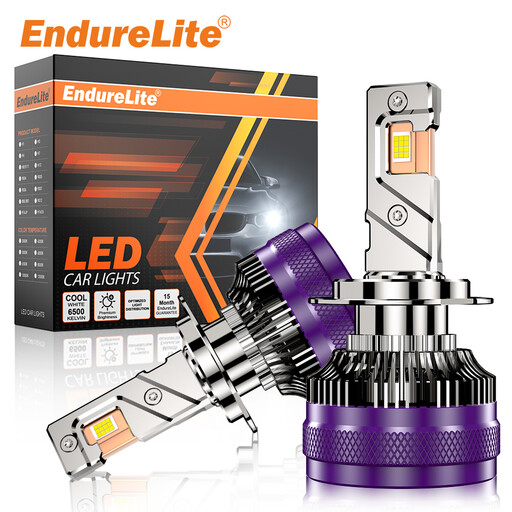
Why This Fits Their Persona: Ideal for the UK driver doing daily school runs or commuting. This bulb offers a significant brightness upgrade over stock halogens without a premium price tag and its plug-and-play design makes it a straightforward DIY job for a Saturday morning.
Its 1:1 size design helps maintain the correct beam pattern, avoiding glare. The built-in fan provides active cooling to prevent the bulb from dimming and failing prematurely.
A balanced option offering a noticeable performance lift and simple installation. The 6000K cool white light provides a modern look and clear visibility.
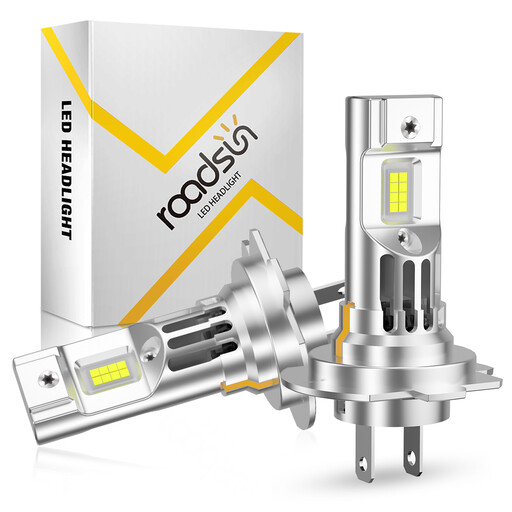
Why This Fits Their Persona: For the DIY enthusiast who drives on unlit B-roads and motorways and prioritises maximum illumination. This bulb's higher brightness output and 6500K colour temperature offer superior long-range visibility for spotting hazards earlier.
It directly addresses the heat issue with a built-in high-speed fan, ensuring consistent performance and longevity. The "no adapter needed" design simplifies installation, a key factor for DIY upgrades.
According to the brand, it offers a 500% brightness increase over halogen. Its IP68 rating also provides confidence for all-weather reliability on UK roads.
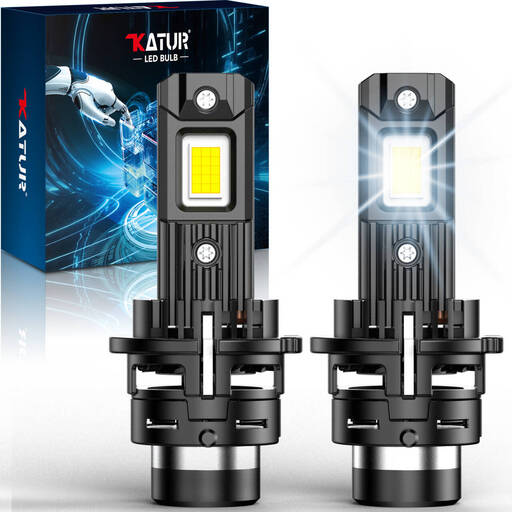
Why This Fits Their Persona: This is for owners of vehicles with factory-fitted Xenon HID headlights (D2S, D4S etc.) who are tired of the slow warm-up time and want the instant-on brightness of LEDs. This is a direct replacement for the HID bulb, connecting to the original ballast.
This is a specialist bulb designed only for HID housings, avoiding the fitment and beam pattern issues of putting a standard LED in the wrong unit. It also features a powerful cooling system to manage the high output.
The brand states a 0.01-second start-up time, eliminating the warm-up delay of HIDs. The 6500K white light provides a modern, crisp look compared to ageing Xenon bulbs.
We have compiled a complete, real-time list of products that fully satisfy these strict selection criteria and UK safety regulations.
1. Are LED headlight conversion kits legal for road use in the UK? This is a complex area. According to the UK government's guidance for MOT testers, retrofitting halogen headlamp units with aftermarket LED bulbs is a reason for failure. For a vehicle to be compliant, the headlamp unit itself must be designed and E-marked for use with LED bulbs. Many aftermarket kits are sold for "off-road use only". It is the vehicle owner's responsibility to ensure their modifications comply with all current road traffic regulations.
2. What is the difference between an H4 and an H7 LED bulb? The main difference is their function. An H4 bulb is a dual-beam unit, containing two light sources to provide both high and low beams from a single bulb. An H7 bulb is a single-beam unit. A car with H7 bulbs will have four in total for the headlights: two for the low beams and two separate bulbs for the high beams. Always check your manual to confirm which type your vehicle requires.
3. Do I really need a bulb with a cooling fan? For headlight applications, yes. High-power car light bulbs generate significant heat that must be drawn away from the LED chip. Without an active cooling system like a fan or a large, well-designed passive heat sink, the bulb's temperature will rise, causing its brightness to decrease and leading to a much shorter operational life. For lower-power applications like car interior LED lights, a fan is generally not necessary.