
24/7 Customer Support

Free returns

Same-day & Next-day Delivery

Quality Guaranteed

Unlock Your Welcome Offers: FREE Delivery | Up to 80% OFF | Free 30-day JoyPlus trial
Download the APP
Driving with dim, yellowed halogen headlights on a dark, rainy British B-road can be a stressful experience. It’s no surprise that many UK drivers are looking to upgrade to modern LED headlight bulbs for a clearer, safer view of the road ahead. However, the market is flooded with options, and it's easy to fall into common traps that lead to wasted money, failed MOTs or even dangerous driving conditions.
As a Joybuy Product Recommendation Officer, my role is to help you navigate the marketing clutter. Before you make a purchase, let's look at the most frequent pitfalls and how to sidestep them.
To ensure you get a reliable and effective upgrade, focus on these core parameters rather than just the marketing headlines.
This is the most critical first step. Your vehicle’s manual will specify the bulb fitment code, such as H7, H4 or H11. These codes define the base and connector type. However, fitment is more than just the base. Many aftermarket LED bulbs have bulky fans or heat sinks that won't fit inside the headlight housing or allow the dust cap to be replaced.
Look for bulbs described as 1:1 mini size or offering a plug and play headlight upgrade. This means they are designed to be the same physical dimensions as the original halogen bulb, ensuring a straightforward installation without needing to modify your headlight housing.
A quality LED bulb should replicate the focused beam pattern of the original halogen. This ensures light is directed onto the road and out of the eyes of other drivers. A sharp cut-off line on dipped beams is essential for road legality and safety.
Colour temperature, measured in Kelvin (K), determines the colour of the light. Most drivers prefer 6000K cool white car lights (or up to 6500K), as this crisp, white light is similar to natural daylight. It improves contrast and makes it easier to spot hazards, reducing eye strain on long night drives compared to the yellowish hue of halogens.
As mentioned, heat is the enemy of LEDs. A good bulb will have a robust cooling system.
A well-engineered cooling system is the key to achieving the advertised long life car bulbs can offer, often rated for 50,000 hours or more.
Based on these practical criteria, here are a few options from our catalogue matched to different driver needs.
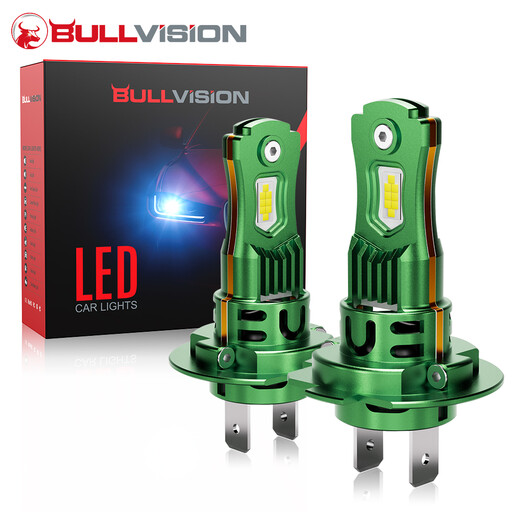
Why This Fits Their Persona: Ideal for the UK driver wanting a straightforward, noticeable improvement for their daily commute. The focus is on easy installation and reliable performance without the complexity or cost of high-end options.
Its 1:1 mini size design ensures it fits without modification and the built-in driver is "CANbus ready" for most vehicles, avoiding common error code issues (though some sensitive German cars may still need a decoder).
True plug-and-play installation with no adapter required. The active fan cooling system helps maintain brightness and contributes to a long operational life.
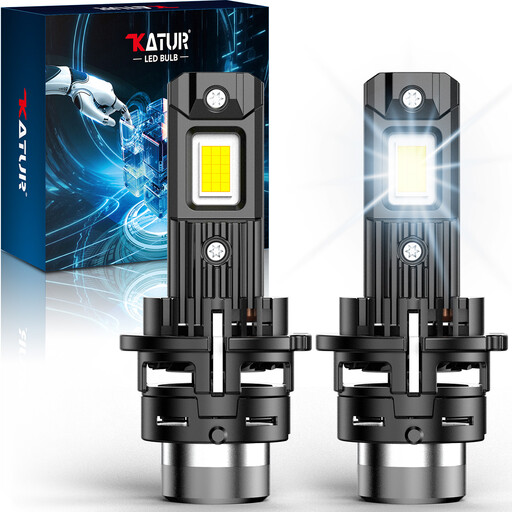
Why This Fits Their Persona: This is for the owner of a modern vehicle equipped with factory HID headlights (not halogen) who wants a significant upgrade in brightness and response time. This is a specific, high-performance application.
It's designed as a direct 1:1 replacement for D4S HID bulbs, ensuring correct fitment and electrical compatibility. The built-in intelligent IC driver is designed for 99% CANbus compatibility, preventing errors on sophisticated vehicle systems.
Instant start-up (0.01s) eliminates the warm-up time of HID bulbs. The cooling system combines a fan, copper tubes and an aluminium body for superior heat management and longevity.
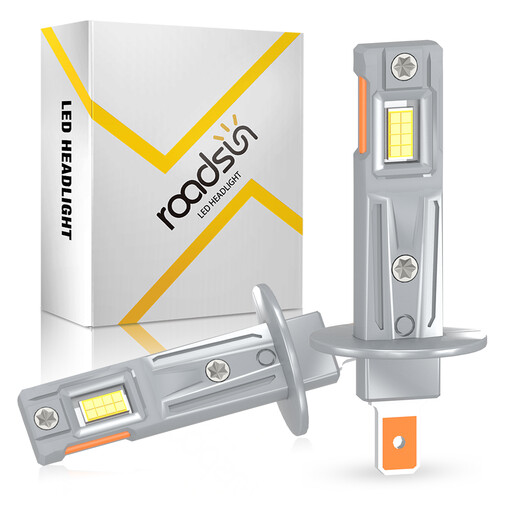
Why This Fits Their Persona: This is for the hands-on owner looking for a specific solution to poor visibility in fog, rain or snow. They need a durable, high-penetration LED fog light bulb that is simple to fit themselves.
It focuses on "strong penetration" rather than just scattergun brightness, which is key for a fog light. The 1:1 mini size and plug-and-play design make it a simple DIY job, avoiding fitment issues.
An extremely long advertised lifespan (70,000+ hours) and an IP67 rating suggest strong durability. The 6000K white light provides excellent clarity in poor weather conditions.
We have compiled a complete, real-time list of products that fully satisfy these strict selection criteria and UK safety regulations.
The regulations surrounding aftermarket LED bulbs can be complex. For a vehicle to pass its MOT, the headlight beam pattern must be correct, with a clear cut-off that doesn't dazzle other road users and the colour must be white or yellow. Many high-quality LED bulbs are designed to mimic a halogen beam pattern perfectly. However, it is always the vehicle owner's responsibility to ensure their lights comply with current road traffic regulations. We recommend checking the latest DVSA guidelines.
While many products advertise lifespans of 50,000 hours or more, the actual longevity depends heavily on the bulb's heat management system and usage patterns. A bulb with a high-quality fan or a large, well-designed heat sink will reliably outlast one with poor thermal design. In practice, a good set of LEDs should last for many years, far longer than the 500-1,000 hours typical of a halogen bulb.
If you drive a car from a brand like Volkswagen, Audi, BMW, Mercedes-Benz or another modern European manufacturer, there is a high chance you will need a CANbus error free LED bulb or an additional decoder. These vehicles have sensitive monitoring systems. Many LED bulbs now come with "CANbus-ready" drivers built-in, which work for the majority of vehicles, but the most sensitive systems may still flag an error. It's wise to check forums for your specific car model or be prepared to add a decoder if flickering or dashboard warnings occur.