
24/7 Customer Support

Free returns

Same-day & Next-day Delivery

Quality Guaranteed

Unlock Your Welcome Offers: FREE Delivery | Up to 80% OFF | Free 30-day JoyPlus trial
Download the APP
Replacing tired halogen lamps with LED headlight bulbs can provide a whiter appearance, quicker start-up and potentially longer service life. However, buying by lumen figures alone can lead to poor beam control, installation problems or dashboard warnings.
This guide explains what to check before choosing H1 LED bulbs, H4 LED bulbs, H7 LED bulbs, H8 H9 H11 LED bulbs and other common halogen replacement bulbs.
Large brightness numbers can look persuasive, but a high claimed output does not guarantee useful light on the road. The reflector or projector housing, LED chip position and bulb alignment all affect the beam. Poorly positioned chips may create dark areas or glare for oncoming traffic.
Look for a 1:1 bulb design, adjustable collar where appropriate and product information referring to beam alignment. After installation, check the beam pattern against a wall and have the headlamps aimed if necessary.
A plug-and-play LED bulb still needs the correct socket. An H7 fitting will not replace an H4, while 9005/HB3, 9006/HB4 and 9012/HIR2 are separate bulb standards. Check the vehicle handbook, the marking on the existing bulb or a reliable vehicle bulb-fitment guide before ordering.
Physical clearance is also important. Cooling fans, heat sinks and external drivers may not fit behind the original dust cover.
Some cars monitor bulb resistance and may display a warning, flicker or switch the lamp off after an LED conversion. CANbus-ready LED bulbs can reduce this risk, but compatibility is not guaranteed for every vehicle. Sensitive models may still need a separate decoder.
Also check that the replacement is suitable for your headlamp housing and intended road use. A brighter lamp is not automatically compliant. The beam must remain properly controlled, and you should confirm any applicable approval or road-use information before fitting.
Match the socket first:
For high-low beam LED bulbs, confirm that both beam functions operate correctly after installation.
Many products use 6000K cool white headlights, while others use 6500K. Cool white light gives a noticeably whiter appearance than warm halogen light. It does not, by itself, prove greater usable road visibility. Beam focus and correct alignment matter more than colour temperature alone.
LED chips produce heat around the rear of the bulb, so check whether the design uses a fan or passive aluminium cooling. A fan-cooled model may need additional space and can introduce a moving component; a fanless design can suit tighter housings but relies on its heat-sink structure.
For wet UK conditions and off-road use, look for a stated IP rating, such as IP67 or IP68. These ratings describe resistance to dust and water under defined test conditions, not unlimited protection in every installation.
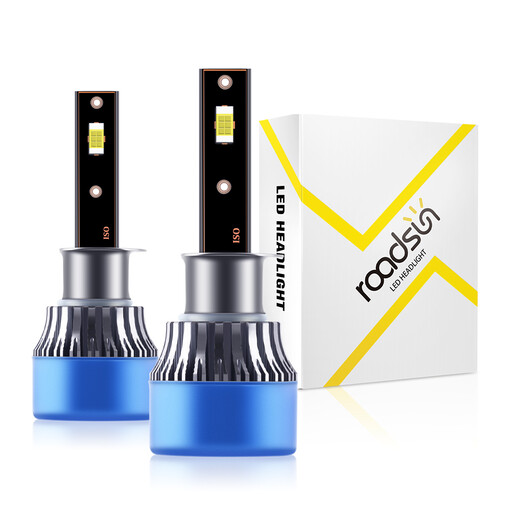
Why This Fits Their Persona: A direct-fit H1 option for drivers wanting a straightforward replacement for a compatible car, truck or SUV fog-light housing.
Its stated H1 socket and plug-and-play format make fitment easier to verify than a generic multi-size listing.
6000K light colour, IP68 rating and an integrated design with no stated wiring modification.
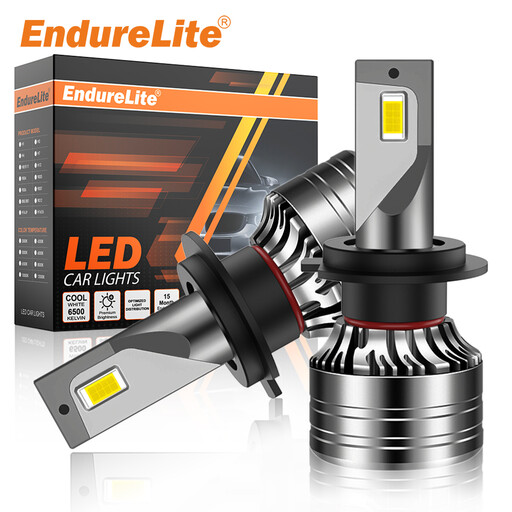
Why This Fits Their Persona: A suitable consideration for owners of vehicles using 9012/HIR2 fittings who want active cooling and high-low beam functionality.
The named 9012/HIR2 standard and 1:1 design help avoid selecting a bulb solely because it looks similar.
Built-in fan, IP68 waterproof specification and CANbus-ready design.
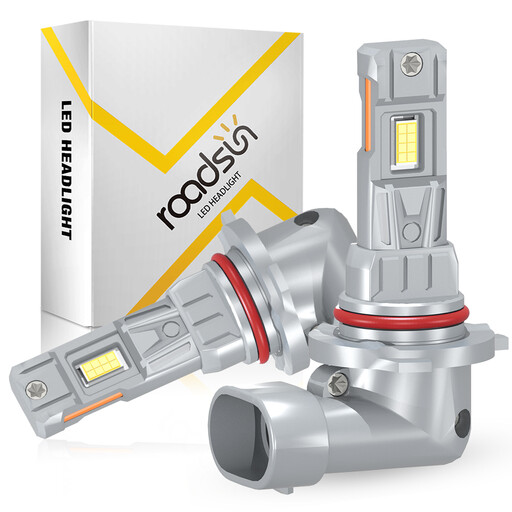
Why This Fits Their Persona: Designed for cars, trucks, SUVs and powersport vehicles using 9005/HB3 sockets, including drivers who regularly travel in wet or dusty conditions.
The stated 1:1 mini size and IP68 specification address clearance and weather-resistance concerns.
Built-in fan, plug-and-play fitting and stated operating temperature range of -40°C to 85°C.
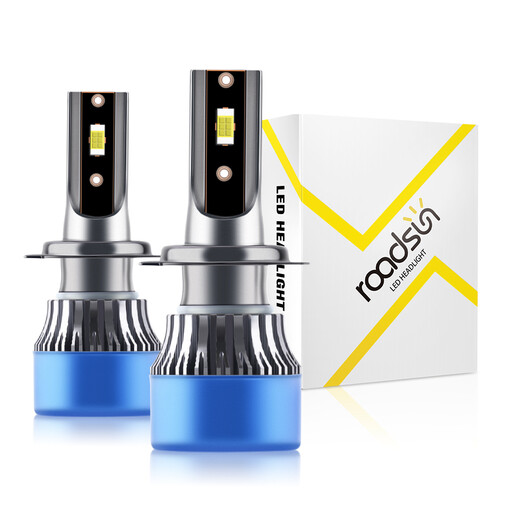
Why This Fits Their Persona: An H7 option for off-road vehicles, ATVs and UTVs where vibration, dust and changing weather are regular considerations.
Its declared H7 fitment avoids the common mistake of ordering a general-purpose bulb without checking the socket.
Plug-and-play installation, weather-resistant construction and suitability for powersport applications.
We have compiled a complete, real-time list of products that fully satisfy these strict selection criteria and UK safety regulations.
Legality depends on the bulb, vehicle, headlamp housing and intended use. A replacement must not create excessive glare or an unsuitable beam pattern. Check the product documentation and relevant UK road-use requirements, then verify the finished installation before driving at night.
Many listings state service lives of 50,000 hours or more, but actual life depends on heat, voltage, cooling, vibration and usage. Treat these figures as manufacturer specifications rather than a guaranteed lifespan. Keeping the housing sealed and ensuring adequate cooling can support reliable operation.
LEDs may use less power for a comparable lighting application, but the exact consumption varies by model. Check the product’s wattage and your vehicle’s electrical requirements. Lower power draw does not remove the need to check CANbus compatibility or correct beam alignment.