
24/7 Customer Support

Free returns

Same-day & Next-day Delivery

Quality Guaranteed

Unlock Your Welcome Offers: FREE Delivery | Up to 80% OFF | Free 30-day JoyPlus trial
Download the APP
Upgrading your car's standard halogen bulbs to modern LED headlight bulbs is one of the most effective ways to improve night-time visibility and driving safety. The promise of brighter, whiter light and a longer lifespan is appealing. However, the market is filled with confusing specifications and bold claims. Before you make a car light upgrade, it's important to understand the common pitfalls that can lead to a poor purchase, wasted money and even potential MOT issues.
As a Joybuy Product Recommendation Officer, my role is to help you navigate these choices by focusing on the practical details that matter. Here are the key traps to avoid.
To ensure you get a reliable and effective upgrade, focus on these three non-negotiable features.
The physical size of the bulb is critical. A bulb advertised as a 1:1 mini size LED is designed to have the same dimensions as the original halogen bulb it replaces. This is crucial for two reasons:
Whether you need an H7 LED bulb, an H4 LED bulb or another fitment, always check that its dimensions are a close match to the original.
Most cars built in the last 15 years, particularly European models, use a Controller Area Network (CANbus) to monitor the vehicle's electrical systems. Halogen bulbs have a specific electrical resistance; LED bulbs have a different one. This mismatch can make the car's computer think a bulb has failed. A CANbus ready LED bulb has built-in circuitry to mimic the load of a halogen bulb, preventing dashboard warning lights or flickering in the vast majority of vehicles.
Instead of chasing the highest lumen count, prioritise a bulb that offers a precise beam pattern. Good LED bulbs are engineered to replicate the filament position of a halogen bulb, ensuring the light is projected correctly by your car's headlight reflectors or projectors. This creates a sharp cut-off line, illuminating the road ahead without dazzling other drivers.
For colour, a 6000K cool white temperature is a popular choice. It provides a crisp, modern look similar to the lighting on many new premium vehicles and offers excellent contrast for spotting hazards on dark roads.
Based on these practical criteria, here are a few options from our catalogue, matched to different driver needs.
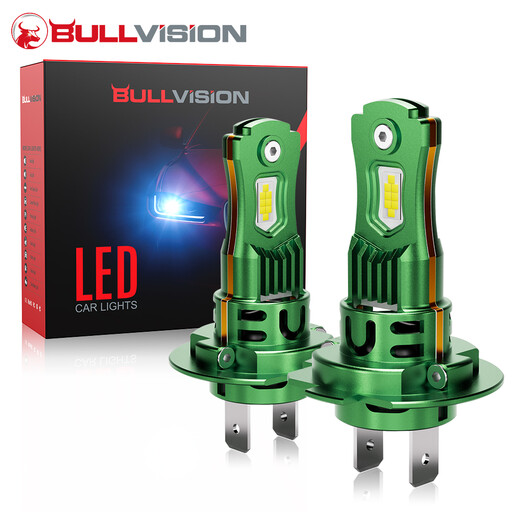
Why This Fits Their Persona: Ideal for someone new to car modifications who wants a straightforward, noticeable improvement in their bright car lights without the fuss of complex installation or high costs.
Its 1:1 mini size design directly counters the "fake plug and play" trap, ensuring it fits into the factory housing without needing adapters or leaving the dust cover off.
The main benefit is the simplicity of installation. It's designed to be a direct replacement for a standard H7 halogen, making for a quick and easy upgrade.
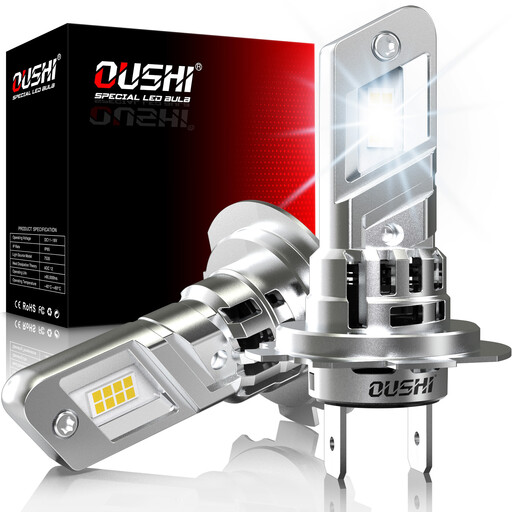
Why This Fits Their Persona: This driver prioritises maximum safe illumination and durability. They understand that high output requires effective cooling for sustained performance and a long lifespan.
It tackles the lifespan illusion head-on by featuring an active cooling system, including a high-speed turbo fan and an aviation aluminium body to efficiently manage heat.
The combination of high light output and a robust cooling system is designed to deliver consistent brightness and a genuinely long life headlight bulbs.
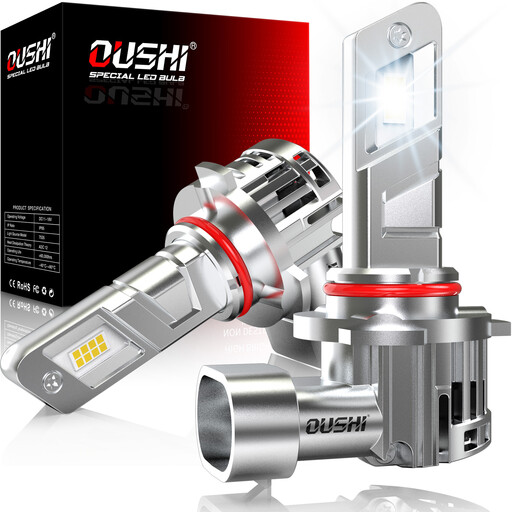
Why This Fits Their Persona: This user likely drives a newer vehicle, possibly a German brand and their primary concern is seamless electronic integration without triggering dashboard errors.
It directly addresses the CANbus error trap by incorporating what the manufacturer describes as a "latest generation CANBUS system" specifically for high compatibility with sensitive vehicle computers.
Its enhanced electronic compatibility is designed to reduce the risk of errors, making it a more reliable choice for modern cars with sophisticated onboard systems.
We have compiled a complete, real-time list of products that fully satisfy these strict selection criteria and UK safety regulations.
1. Are aftermarket LED headlight bulbs road legal in the UK? For a vehicle to be road legal and pass its MOT inspection, its headlights must produce a clear, correct beam pattern with a sharp cut-off that does not cause glare to other road users. While fitting aftermarket LED bulbs to a halogen-designed headlight unit is a modification, the key to compliance is the result. Choosing a high-quality LED bulb specifically designed to mimic the original halogen's beam pattern is the most important factor in achieving a safe and compliant light output.
2. How can I ensure my LED bulbs actually have a long life? The key to a long life headlight bulbs is effective heat dissipation. Look for models that specify their cooling technology. This can include:
3. Will I definitely need an extra CANbus decoder? Not always. Many modern car headlight bulbs are advertised as 'CANbus ready' and will work flawlessly on the majority of vehicles (often 98-99%) without any extra hardware. However, some vehicles, particularly certain premium German models, have highly sensitive monitoring systems. In these cases, an additional external CANbus decoder may still be required to prevent error codes. It is always a good idea to check the product description for any known compatibility issues with your specific make and model.