
24/7 Customer Support

Free returns

Same-day & Next-day Delivery

Quality Guaranteed

Unlock Your Welcome Offers: FREE Delivery | Up to 80% OFF | Free 30-day JoyPlus trial
Download the APP
Upgrading your car’s standard halogen lights to modern LED headlight bulbs is one of the most impactful changes you can make for both safety and style. The promise of brighter, clearer light on dark British B-roads and a crisp, modern look is appealing. However, the market is flooded with options, and it's easy to fall into common traps that lead to wasted money, poor performance and even potential MOT issues.
As the Joybuy Product Recommendation Officer, my role is to help you navigate the choices by highlighting what truly matters. Before you buy, let's look at the pitfalls to avoid.
To ensure you get a reliable and effective upgrade, focus on these core parameters.
Your car's headlight housing is designed for a specific bulb type. Installing the wrong one is impossible without modification. The most common fitments in the UK are:
You can find your car's required fitment in the owner's manual or by checking the markings on the base of your existing bulbs.
A quality LED bulb should be designed 1:1 to mimic the size and chip position of the original halogen bulb. This ensures the light is projected correctly by your car's reflector or projector housing, creating a sharp, focused beam that illuminates the road, not the eyes of other drivers.
For colour, 6000K LED headlights are a popular choice. This temperature produces a crisp, cool white light that is close to natural daylight, improving visibility and giving your car a contemporary look without being overly blue.
LEDs generate heat, and managing it is crucial for their longevity. Bulbs with robust cooling systems—either a high-speed fan or a fanless design with a large aluminium heat sink—will maintain their brightness and last significantly longer. A well-cooled bulb can offer a lifespan of 50,000 hours or more, meaning you may never have to replace it again.
To help you choose, we've matched some options to common UK driver profiles.
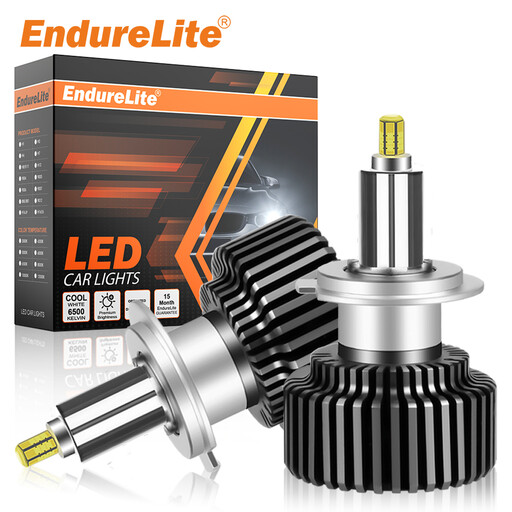
Why This Fits Their Persona: This is an ideal first upgrade from dim halogen bulbs. It offers a significant improvement in visibility and a modern 6000K white light, all in a package designed for a straightforward, tool-free installation. It's a cost-effective way to enhance night-time driving confidence.
Its 1:1 mini size design directly addresses the "universal fit" pitfall by matching the dimensions of a standard halogen bulb, ensuring it fits without modification and produces a correct beam pattern to avoid glare.
Features a built-in intelligent driver for high vehicle compatibility and a simple plug and play headlight bulbs design, making it accessible for those new to car modifications.

Why This Fits Their Persona: For those who frequently drive on unlit motorways or country lanes, maximum safe visibility is paramount. This bulb offers a substantial increase in brightness and a slightly cooler 6500K light, designed to provide a wider and farther field of vision for spotting hazards earlier.
It counters the "brighter is better" myth by pairing high output with a 1:1 halogen design to maintain beam focus. It also features an efficient high-speed fan, addressing the pitfall of poor thermal management that leads to premature failure.
The combination of high lumen output and an active cooling system ensures sustained performance and a long lifespan. Its CANbus system is also designed for high compatibility with European vehicles.
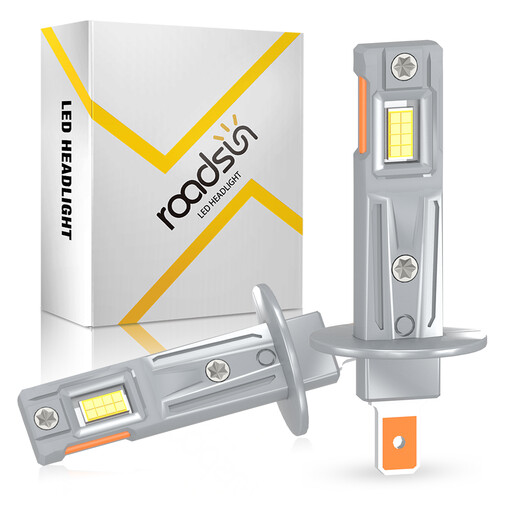
Why This Fits Their Persona: This driver is specifically looking to upgrade their **LED fog light bulbs** for better performance in rain, fog and snow. This bulb is marketed with a focus on "strong penetration" to cut through adverse weather, rather than just for general night-time brightness.
By focusing on a specific application (fog lights), it avoids the "one-size-fits-all" trap. Its durable, all-weather construction (IP67 rating) and long lifespan ensure it remains reliable when you need it most.
Purpose-built for fog light applications with an emphasis on light penetration and all-weather reliability. The 1:1 mini size ensures a simple, direct replacement for existing H1 fog bulbs.
We have compiled a complete, real-time list of products that fully satisfy these strict selection criteria and UK safety regulations.
The regulations around retrofitting LED bulbs can be nuanced. For a vehicle to pass its MOT, the headlight unit must produce the correct beam pattern without causing glare to other road users. Many aftermarket plug and play headlight bulbs are now designed to replicate the original halogen beam pattern precisely. However, it is always wise to check the latest DVSA guidelines and ensure your headlights are professionally aligned after installation to remain compliant.
If you drive a modern vehicle, particularly from a European brand like Audi, BMW, Mercedes or Volkswagen, there is a high chance you will. These cars use a CANbus system that monitors bulb function. Because LEDs use less power, the system may register a fault. Many CANbus LED headlights have decoders built-in, but some highly sensitive vehicle systems may still require an additional external decoder to prevent dashboard errors or flickering.
For most cars, it is a very manageable DIY task. The majority of modern LED bulbs are designed as 1:1 replacements for their halogen counterparts, requiring no special tools or wiring. The process typically involves accessing the back of the headlight unit, twisting and removing the old bulb, inserting the new LED bulb and reconnecting the plug. Always consult your vehicle's manual and ensure the lights are off and cool before starting.