
24/7 Customer Support

Free returns

Same-day & Next-day Delivery

Quality Guaranteed

Unlock Your Welcome Offers: FREE Delivery | Up to 80% OFF | Free 30-day JoyPlus trial
Download the APP
Upgrading to LED headlight bulbs seems like a straightforward way to modernise your vehicle, promising brighter, whiter light for improved visibility and a sharper look. However, the market is filled with confusing specifications and bold claims that can easily lead to a poor purchase. Many UK drivers find themselves with bulbs that flicker, trigger dashboard warnings or fail to deliver the promised brightness.
As the Joybuy Product Recommendation Officer, my role is to help you navigate this landscape. We will look past the marketing hype and focus on the practical details. Before you spend your money, be aware of these common purchasing traps:
To make a smart car headlight upgrade, you need to focus on three core parameters. Getting these right is the key to performance, safety and long-term value.
Before looking at any other feature, you must identify the correct fitment type for your vehicle. This is a code, such as H7, H4 or H11, which defines the bulb's base and how it locks into your headlight housing. Using the wrong type will simply not work.
You can find your car's required fitment type in your vehicle handbook, by inspecting the existing bulb or by using an online bulb finder tool.
The Controller Area Network (CANbus) is the internal computer system that manages your car's electronics. Modern vehicles use it to monitor whether bulbs are functioning correctly. Because LED bulbs draw less power than old halogen ones, the CANbus system can mistakenly think the bulb has failed, leading to the issues mentioned earlier.
A CANbus ready LED bulb has built-in resistors or circuitry to communicate properly with the vehicle's computer, preventing errors. While many products claim 98-99% compatibility, some sensitive vehicles (often from German manufacturers like BMW, Mercedes-Benz or the VW Group) may still require an additional external decoder. Always check the product description for any specific exclusions.
Once you have the fitment and electronics sorted, consider the quality of the light itself.
Instead of providing a simple list, we have matched some options to the needs of different UK drivers.
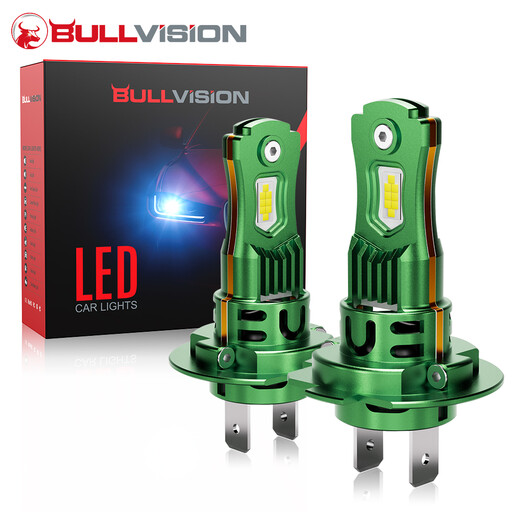
Why This Fits Their Persona: This user wants a noticeable improvement over standard halogen bulbs without a high cost or complex installation. The 1:1 size makes it a strong candidate for a simple, direct swap on many popular UK car models.
Its 1:1 mini size design directly addresses the fitment trap, making it less likely to interfere with dust caps. The integrated CANbus ready driver aims to prevent common error messages on non-sensitive vehicles.
A straightforward and cost-effective plug and play headlight solution. The 6000K cool white colour provides a modern look and clear visibility.
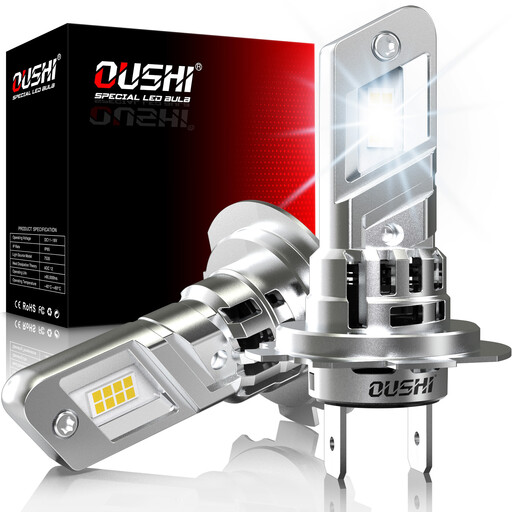
Why This Fits Their Persona: This driver prioritises maximum visibility and a premium, modern aesthetic, often travelling on unlit rural roads. The high lumen output and crisp 6500K white colour are key factors in their decision.
It features a high-speed turbo cooling fan, directly tackling the heat dissipation pitfall that causes premature dimming. The description also highlights an advanced CANbus system for better compatibility with modern vehicles.
High light output combined with an active cooling system for sustained performance. The 1:1 mini size aids in a straightforward installation process.
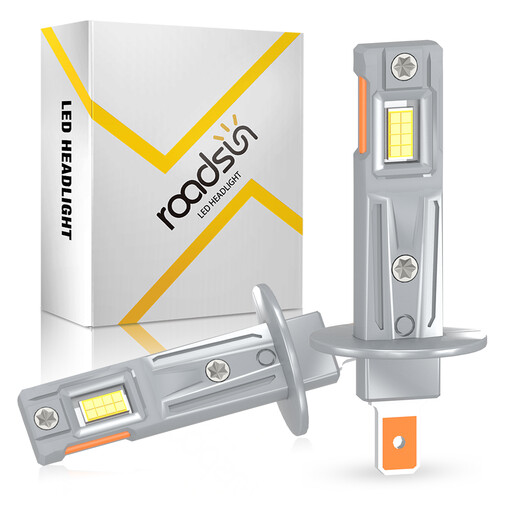
Why This Fits Their Persona: This user is specifically looking to upgrade their LED fog lights to improve visibility in adverse conditions like fog, heavy rain and snow. They prioritise light penetration and reliability over maximum distance.
Instead of focusing only on the lumen trap, its description highlights "strong penetration," which is the key function of an effective fog light. The fanless design also avoids the risk of a mechanical fan failing in a wet, dirty environment.
Specifically designed for adverse weather. The IP67 waterproof rating and wide operating temperature range suggest good durability.
We have compiled a complete, real-time list of products that fully satisfy these strict selection criteria and UK safety regulations.
The regulations regarding aftermarket LED headlight bulbs can be complex. As of early 2026, fitting LED bulbs into a headlight unit originally designed for halogen bulbs may not be compliant for road use and could be a reason for an MOT failure. The Department for Transport (DfT) guidance states that headlamp conversions should be assessed on a case-by-case basis. For guaranteed compliance, it is advisable to replace the entire headlight unit with one that is E-marked for use with LED bulbs. Regulations are subject to change, so we recommend checking the latest DVSA and MOT inspection manuals before making a purchase for on-road use.
For many vehicles, installing plug and play headlights is a relatively simple DIY task that takes only a few minutes per side. However, access to the bulbs on some cars can be restricted, requiring the removal of other components. If you are not comfortable working on your vehicle or if access is difficult, it is always a good idea to seek help from a qualified mechanic.
The main difference lies in their function. An H4 LED headlight is a dual-beam bulb, meaning it contains two LED elements to provide both the low (dipped) and high (main) beam from a single unit. An H7 LED bulb is a single-beam bulb. A car using H7 bulbs will have four in total for the front headlights: two for the low beams and two separate bulbs for the high beams. It is essential to purchase the correct type for your vehicle's headlight design.