
24/7 Customer Support

Free returns

Same-day & Next-day Delivery

Quality Guaranteed

Unlock Your Welcome Offers: FREE Delivery | Up to 80% OFF | Free 30-day JoyPlus trial
Download the APP
Straining to see the road ahead on a dark, rainy night? Do your car's yellowish, dim halogen lights make it look dated compared to modern vehicles? You're not alone. Many UK drivers find their factory-fitted headlights lack the brightness and clarity needed for confident driving, especially in poor weather. An LED headlight upgrade is a popular solution, offering significant improvements in visibility, safety and style.
Navigating the world of aftermarket car lights can be confusing, with countless options for bulbs and full assemblies. This guide is designed to cut through the clutter, providing clear, practical advice to help you choose the right vehicle lighting upgrade for your needs and budget. We will explore key factors to consider and highlight a few recommended options available right now.
Before you buy, it’s important to understand a few basics to ensure you get a product that fits your car and meets your expectations.
Your first decision is whether to replace just the bulbs or the entire headlight unit.
Two key terms you'll encounter are lumens (brightness) and Kelvin (colour temperature). Modern bright car bulbs offer a significant increase in light output over stock halogens. Just as important is the colour of that light.
Many drivers prefer 6000K car light bulbs. This colour temperature produces a crisp, neutral white light that is very similar to natural daylight. Compared to the warm, yellow glow of traditional halogens (around 3200K), this cool white light can reduce eye fatigue and make it easier to spot road signs, pedestrians and hazards from a distance.
When upgrading your vehicle's lighting, it's crucial to consider road safety and MOT compliance. The main concern is beam pattern. A correctly designed LED product, whether a bulb or a full assembly, will project a focused beam with a sharp cut-off line. This illuminates the road effectively without dazzling oncoming drivers. Poorly designed products can scatter light, creating dangerous glare. Always opt for products that specify a correct beam pattern and ensure your headlights are properly aligned after installation.
Here are a few options that cater to different needs, from simple bulb swaps to full-scale aesthetic and performance transformations.
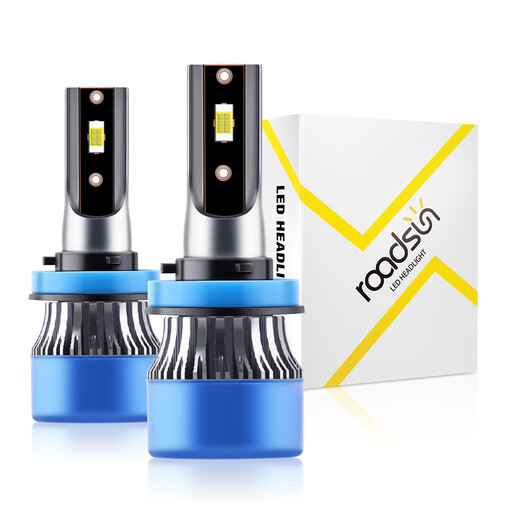
Why It Stands Out: These bulbs are designed for simplicity and impact. Their main advantage is the 1:1 size match to standard halogen bulbs, meaning installation is a true plug-and-play affair with no modifications needed. They provide a significant brightness increase and the popular 6000K cool white colour, making them an excellent choice for upgrading LED fog lights or driving lights.
Pros:
Who is it for? This is for the driver who wants a quick, effective and affordable lighting improvement. If you're comfortable with basic car maintenance and want to enhance your fog or driving lights' performance without replacing the entire unit, these bulbs are an ideal choice.
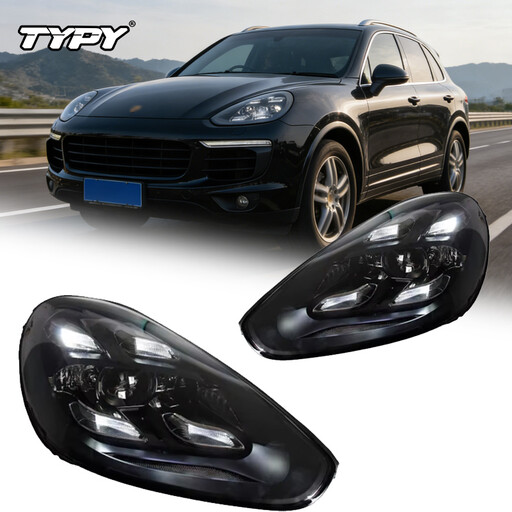
Why It Stands Out: This complete assembly is all about transforming the front-end of a specific vehicle. Designed for the Porsche Cayenne 958.2, it mimics the high-configure Matrix design found on newer models. It’s a high-impact aftermarket car lights solution that updates both the technology and the aesthetics of the vehicle.
Pros:
Who is it for? This is for the Porsche Cayenne lights owner who wants to refresh their vehicle's look to match the latest models. It's an investment in aesthetics and modernisation for a premium vehicle.
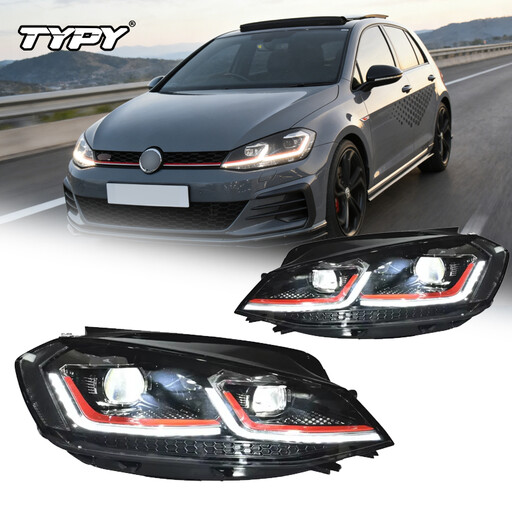
Why It Stands Out: The VW Golf is one of the UK's most popular cars, and this assembly is a sought-after upgrade. It replaces the standard halogen units with a full LED system that not only provides superior illumination but also adds stylish dynamic indicator lights. This single upgrade delivers on both performance and modern visual appeal.
Pros:
Who is it for? This is perfect for owners with standard VW Golf MK7 headlights who are looking for a comprehensive upgrade. It’s for those who want the safety benefits of brighter LEDs and the enhanced style of dynamic indicators, completely transforming the car's character.
The products highlighted here are just a small selection of what's available. Every car and driver has unique requirements. If these options aren't the right fit for your vehicle, or if you're exploring other types of aftermarket car lights, we encourage you to browse our full collection of front lamps. Discover a wider range of bulbs and assemblies to find the perfect match for your car.
Explore the full Front Lamp category here.
The legality depends on the product and installation. Fitting aftermarket LED bulbs into a headlight housing designed for halogen bulbs can be an MOT failure if the resulting beam pattern is incorrect and causes glare. Full replacement headlight assembly units, which are designed as a complete system for a specific model, are often a more compliant route. Whichever path you choose, it is essential to ensure the beam pattern is correctly aligned after installation to be safe and road-legal.
This varies by product. A simple bulb swap, like an H11 LED bulb, is often a plug-and-play process that can be done in minutes with no special tools. A full assembly replacement, such as for the VW Golf MK7 headlights, is more involved and may require removing the front bumper. However, these are often designed for a direct fit and can be managed by a competent DIYer following the provided instructions.
The "K" stands for Kelvin, which measures colour temperature. 6000K car light bulbs produce a crisp, neutral white light, often described as "diamond white." This colour is very close to natural daylight, which can help reduce eye strain during night driving and makes it easier to see road markings and potential hazards compared to the warmer, yellowish light of traditional halogen bulbs (typically around 3200K).