
24/7 Customer Support

Free returns

Same-day & Next-day Delivery

Quality Guaranteed

Unlock Your Welcome Offers: FREE Delivery | Up to 80% OFF | Free 30-day JoyPlus trial
Download the APP
The world of at-home beauty tools has expanded rapidly, with LED light therapy devices moving from exclusive salon treatments to staples in many UK homes. These gadgets promise to address cosmetic concerns from fine lines to blemishes, but navigating the market can be confusing. With so many options available, it's easy to invest in a device that underdelivers.
As a Joybuy Product Recommendation Officer, my role is to help you see past the marketing clutter. Before you decide, it's crucial to understand the common pitfalls that lead to disappointment and wasted money.
To choose wisely, focus on the technical specifications that directly influence a device's performance. These are the non-negotiable factors to check before adding any of these anti-ageing skincare devices to your basket.
The colour of the light corresponds to its wavelength, which determines how deeply it penetrates the skin and its potential cosmetic effect. For at-home use, these are the primary wavelengths to look for:
The design of a device dictates its use case. Consider which format best suits your lifestyle and skincare goals.
Based on a careful review of features, design and user profiles, here are a few at-home beauty tools that stand out for their practical and considered approach.
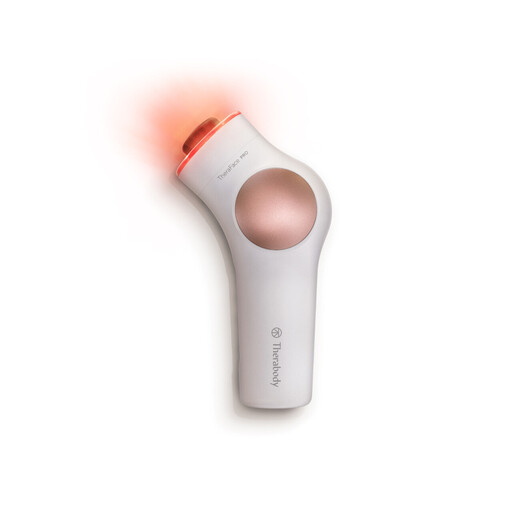
Why This Fits Their Persona: For the user who wants more than just light therapy, this device is a complete facial wellness system. It's perfect for the tech-savvy individual in the UK who values efficiency and wants a single, high-performance tool that combines multiple treatments, including percussive therapy and microcurrent technology.
It sidesteps the "more colours" trap by focusing on a suite of distinct, effective technologies. Its value comes from its versatility as a facial toning device and massager, not just its LED function.
Combines percussive therapy, microcurrent, LED light and cleansing in one modular device. The magnetic ring system allows for easy switching between treatments.
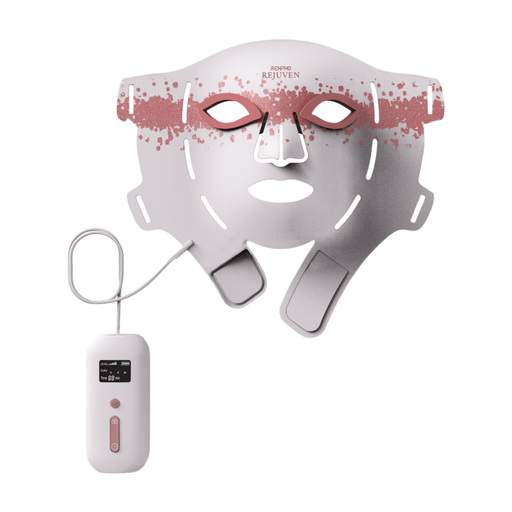
Why This Fits Their Persona: This is for the user who is serious about integrating LED therapy into their routine. They want maximum coverage and specific, targeted light combinations for concerns like blemishes or fine lines. The high LED count and flexible design appeal to their desire for an effective, comfortable at-home facial experience.
It directly counters the "poor fit" problem with its soft, medical-grade silicone construction that conforms to the face. It also avoids the "more colours" myth by offering four distinct, purposeful modes combining key wavelengths (R+NIR, B+NIR, etc.).
Features a high density of 432 LED bulbs for full facial coverage, including the jawline. The flexible silicone material ensures a comfortable and hygienic treatment session.
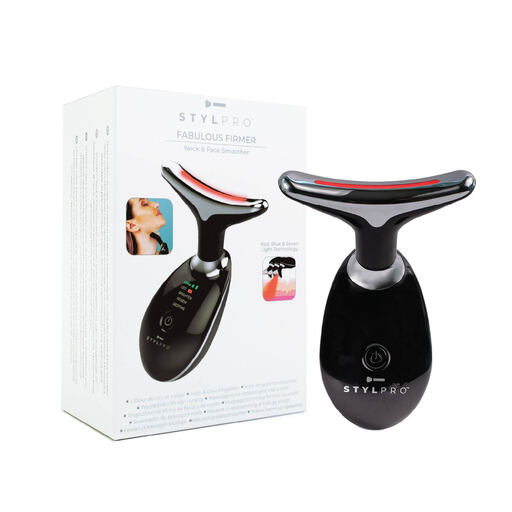
Why This Fits Their Persona: This is ideal for the UK user who wants to focus on the neck and jawline—areas often overlooked by traditional face masks. As a dedicated neck firming device, it's a practical addition for someone who already has a facial routine but wants to address skin texture and firmness in this specific zone.
This device doesn't over-promise. It is designed for a specific purpose, avoiding the "one-size-fits-all" trap. Its ergonomic shape is tailored for the neck and lower face, ensuring it performs its intended function well.
Combines three technologies—LED light, gentle heat (approx. 40-42°C) and sonic vibrations—to create a comprehensive treatment for the neck and face. It is compact and rechargeable.
We have compiled a complete, real-time list of products that fully satisfy these strict selection criteria and UK safety regulations.
Most manufacturers recommend using their devices for 10-20 minutes per session, three to five times a week. However, you should always follow the specific instructions provided with your product. Consistency is more important than session length, and overuse will not accelerate results.
Yes, it is highly recommended. While the LED lights used in these devices are UV-free, they can be very bright and may cause discomfort or strain. Reputable masks come with built-in eye shields or separate blackout goggles. Always use them and never look directly into the LEDs during a treatment.
You should always start with clean, dry skin before any LED treatment. After your session is complete, you can proceed with your usual serums and moisturisers. Some devices, particularly handheld wands, are designed to be used with conductive gels or serums to enhance their effects, but this will be specified in the user manual. Avoid using products containing retinol or acids immediately before a light therapy session unless the device manufacturer explicitly states it is safe to do so.