
24/7 Customer Support

Free returns

Same-day & Next-day Delivery

Quality Guaranteed

Unlock Your Welcome Offers: FREE Delivery | Up to 80% OFF | Free 30-day JoyPlus trial
Download the APP
By Joybuy Product Recommendation Officer
LED light therapy devices now cover several very different needs: facial skincare, under-eye care and bright-light support during darker months. That variety is useful, but it also makes shopping confusing. A flexible LED face mask is not a substitute for a 10,000 lux SAD lamp, and a small rechargeable beauty device may not provide the coverage needed for regular full-face sessions.
Before buying, look beyond glowing marketing claims and check the light output, intended use, safety information and everyday practicality.
A daylight therapy lamp is normally assessed by illuminance in lux, while skincare masks are usually described by wavelengths in nanometres. A 10000 lux SAD light is designed to provide bright visible light for daytime use. Red, blue, green and near-infrared light therapy devices use different wavelengths for targeted facial routines.
These measurements are not interchangeable. A facial mask cannot automatically replace a daylight therapy lamp, and a desk lamp that looks bright may not be suitable for skincare.
Some LED skincare masks offer red, blue, green and near-infrared light therapy, with several intensity or treatment combinations. More settings can be useful if you have a clear routine, but they may add cost and complexity without improving convenience.
Check whether the device includes a timer, straightforward controls and clear instructions. A simpler mask used consistently may suit you more than a feature-heavy model that remains in its box.
A mask can have impressive specifications yet be uncomfortable around the nose, eyes or jawline. Rigid materials, short cables and complicated straps can make regular use inconvenient. For portable routines, look for a rechargeable LED beauty device, USB-C charging, a storage bag and a session timer.
Also check whether the device is water-resistant. Many masks and controllers should only be wiped clean and must not be used in a bathroom or exposed to water.
For seasonal low mood or reduced daytime energy, look for a daylight therapy lamp with a stated output such as 10,000 lux, UV-free LED illumination and clear positioning instructions. Beurer’s TL20 and TL30UK models are listed as UV-free and flicker-free, with morning use recommended in their product information.
For facial care, examine the listed wavelengths. Red light, blue light and near-infrared light are common options, while some devices add green or yellow light. Treat brand statements about skin results as product claims rather than guaranteed outcomes. The practical priorities are even coverage, a comfortable fit and a treatment timer.
Read the manual before use, particularly if you have an eye condition, light sensitivity, take photosensitising medication or have a condition for which bright light may be unsuitable. Medical device certification or CE marking can provide useful compliance information, but it does not mean every product is suitable for every person.
Do not stare directly into LEDs. Follow the recommended session length, use included eye protection where instructed and stop if you experience irritation, eye discomfort, headaches or changes in vision. Light therapy should not replace professional medical advice.
A cordless device is practical for travel, but battery capacity alone does not tell you how long it will operate. Compare the stated number of sessions per charge, recharge time and whether the device can be used while charging.
For skincare masks, automatic shut-off is valuable because it helps prevent unnecessarily long sessions. Silicone surfaces should be cleaned according to the manufacturer’s instructions, and devices should be stored away from heat, moisture and children.
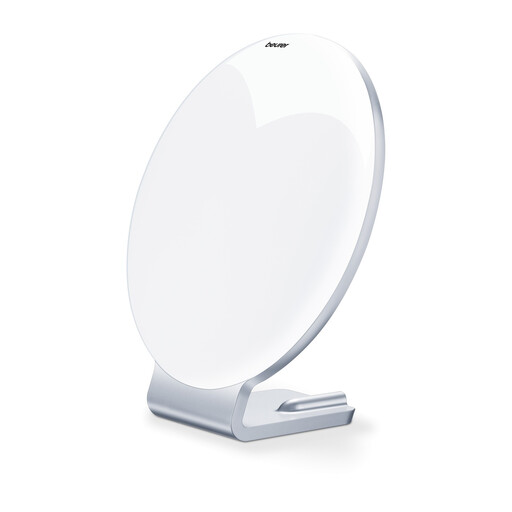
Why This Fits Their Persona: A compact option for someone starting a morning daylight routine at home or at a desk without needing a large lamp.
Its product information states 10,000 lux, UV-free and flicker-free LED illumination, rather than relying only on vague brightness language.
One-touch operation, a 25 cm illumination area and a space-saving design.
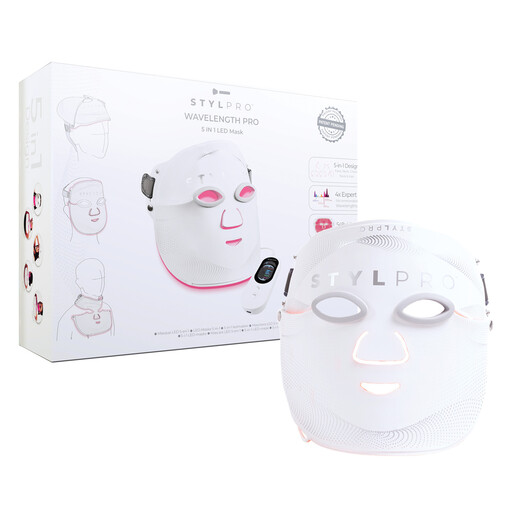
Why This Fits Their Persona: Suits beauty-conscious users wanting face-and-neck coverage, cordless use and multiple light settings in one routine.
The flexible silicone body, adjustable straps and eye comfort pads address fit and wearability concerns.
Five light settings, USB-C charging, 8–12 uses per charge and a protective storage bag.
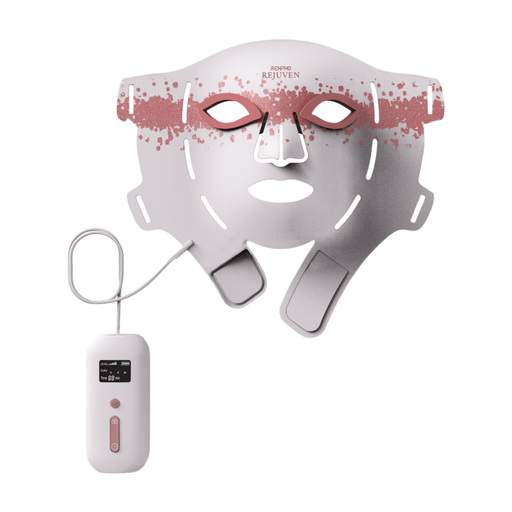
Why This Fits Their Persona: Designed for shoppers who want selectable red, blue, green and near-infrared modes for different facial routines.
Its listed 10, 20 and 30-minute automatic shut-off options help keep sessions controlled.
Medical-grade silicone, USB-C charging and a battery-operated design.
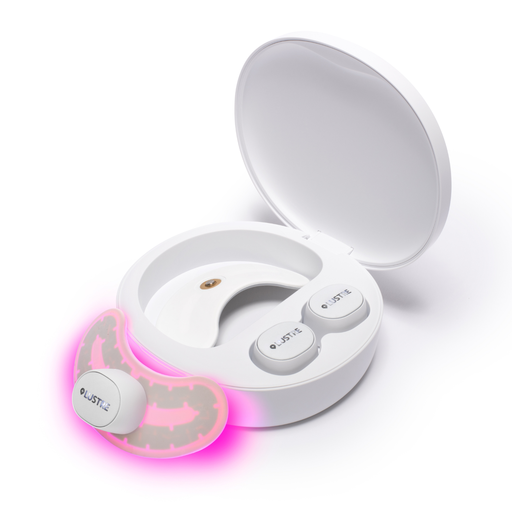
Why This Fits Their Persona: A compact choice for targeted under-eye routines when a full-face mask is impractical at home, in a hotel or during a busy morning.
The stated three-minute auto-shut-off session avoids lengthy routines and the wireless format removes cable clutter.
Red and blue LEDs, rechargeable patches, a USB-C charging case and one-button operation.
We have compiled a complete, real-time list of products that fully satisfy these strict selection criteria and UK safety regulations.
Place a daylight therapy lamp at the distance stated in its instructions, with the light reaching your eyes indirectly. You can read or work while using it; do not stare into the light. For an LED skincare mask, begin with clean, dry skin, fit the straps gently and use the specified eye protection. Avoid broken, irritated or inflamed skin.
LED devices generally use less electricity than heat-producing lamps, but the exact running cost depends on wattage and your electricity tariff. Rechargeable masks have no direct mains use during a session, although they still require periodic charging. Check the power rating and charging requirements before buying.
Lifespan varies by LED components, battery condition, charging habits and frequency of use. Follow the manual, avoid excessive heat and do not use a device with a damaged cable, swollen battery or cracked casing. A rechargeable mask may eventually require more frequent charging as its battery ages.
No. A SAD lamp measures visible brightness in lux and is intended for bright-light exposure. A red light therapy mask is described by wavelength and is designed for facial use. They serve different purposes and should not be treated as interchangeable.
Only follow the schedule supplied with the specific device. Session length and frequency vary between models. If you have a light-sensitive condition, an eye condition, take relevant medication or are unsure whether light therapy is appropriate, consult a healthcare professional before use.