
24/7 Customer Support

Free returns

Same-day & Next-day Delivery

Quality Guaranteed

Unlock Your Welcome Offers: FREE Delivery | Up to 80% OFF | Free 30-day JoyPlus trial
Download the APP
The appeal of bringing clinic-inspired treatments into our homes has never been stronger, and the LED light therapy face mask is at the forefront of this trend. Promising to address everything from breakouts to fine lines, these devices are flooding the market. However, not all masks are created equal. Many UK shoppers find themselves disappointed with uncomfortable designs, limited functionality or impractical features that make consistent use a chore.
As the Joybuy Product Recommendation Officer, my role is to help you navigate the options and identify the key features that separate a worthwhile purchase from a costly gadget that ends up gathering dust. Before you invest, let’s look at the common pitfalls and the essential specifications to check.
Many masks look impressive online but fail in daily use. Here are three frequent issues that can make a device ineffective or frustrating to use.
The Rigid, Uncomfortable Fit: Many older or cheaper models are made from hard, inflexible plastic. This "one-size-fits-all" approach rarely works. A poor fit creates gaps between the mask and your skin, leading to uneven light distribution. If the light source isn't at a consistent, optimal distance from your face, you simply won't get the intended benefits. Comfort is also key—if a mask is heavy and awkward, you are less likely to use it regularly.
Single-Wavelength Limitations: You might find a mask that seems like a bargain, only to discover it offers just one colour of light. While single-wavelength devices can be useful, they limit you to tackling just one concern. If your skin goals include both managing blemishes and addressing signs of ageing, a single-light device is a compromise. A mask with both blue light therapy for acne and red light therapy mask capabilities offers far more versatility and long-term value.
The Inconvenience of Mains Power: Being tethered to a wall socket for a 10- or 20-minute treatment session is more disruptive than it sounds. It restricts your movement and can make it difficult to build the mask into your routine. A rechargeable LED mask offers the freedom to relax on the sofa, catch up on a podcast or simply sit comfortably without being tied to a plug.
To ensure you choose a device that is both effective and practical, focus on these non-negotiable features.
The material of a mask is directly linked to its performance. A flexible silicone face mask is designed to contour closely and comfortably to the unique shape of your face.
LED therapy works by delivering specific wavelengths (colours) of light to the skin. For an at-home LED mask, the two most common and studied wavelengths are red and blue.
A mask that offers both and allows you to use them separately or combined, provides a comprehensive treatment for multiple skin concerns.
For a device to become a staple in your routine, it must be convenient. A rechargeable LED mask with a modern charging port like USB-C is the practical choice. It allows you to use the mask anywhere in your home without the hassle of cables, making it far easier to use consistently. Check the product specifications for battery life and charging time to understand its portability.
Instead of providing a simple list, we match products to specific user needs. Based on the pitfalls and parameters discussed, here is a recommendation for those seeking a versatile and convenient solution.
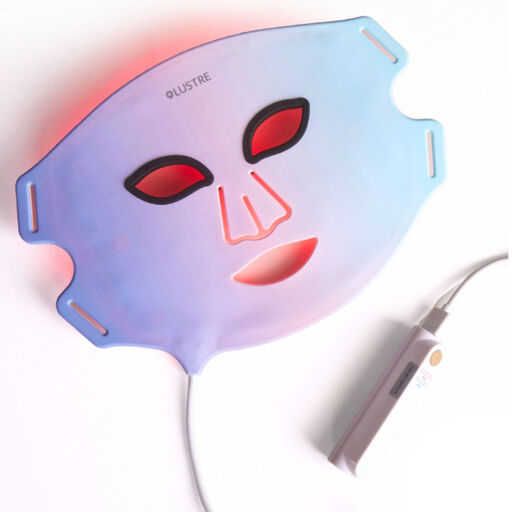
Why This Fits Their Persona: This user wants to address both breakouts and the early signs of ageing without buying multiple devices. They value convenience and want a product that fits easily into a busy lifestyle. The dual-light functionality and rechargeable design make it an efficient, all-in-one tool for a comprehensive at-home skincare routine.
It is made from flexible silicone, avoiding the poor fit of rigid masks. It offers both red and blue light therapy, overcoming single-wavelength limitations. Finally, it is fully rechargeable, providing the freedom and convenience that mains-powered devices lack.
Dual-light functionality targets both acne and signs of ageing. The 10-minute session with auto shut-off makes treatments quick and easy to track. Includes built-in eye protection for comfort.
Always begin by reading the manufacturer's specific instructions. As a general guide, most at-home LED masks are designed for use 3 to 5 times per week, with each session lasting between 10 and 20 minutes. Consistency is generally considered more beneficial than conducting longer, less frequent sessions.
Reputable masks are designed to be UV-free and safe for at-home use. Many models, like the LUSTRE Revive mask, come with integrated eye shields or gaskets to minimise direct light exposure. It is always recommended to keep your eyes closed during treatment as an extra precaution. Before using any device, carefully read the safety information and contraindications in the user manual.
For optimal light penetration, it is best to use an LED mask on clean, dry skin, free from any products. After your light therapy session is complete, you can proceed with your normal skincare routine by applying your serums, moisturisers and creams. Be sure to review the device's manual for any warnings about using it with products that may cause photosensitivity.