
24/7 Customer Support

Free returns

Same-day & Next-day Delivery

Quality Guaranteed

Unlock Your Welcome Offers: FREE Delivery | Up to 80% OFF | Free 30-day JoyPlus trial
Download the APP
Choosing LED lighting products is rarely just a matter of selecting the highest lumen figure. A suitable purchase depends on compatibility, beam control, electrical safety, installation and how the light will actually be used.
For UK buyers, the wrong choice can mean a headlight that fails an MOT, a smart light bar that does not fit the monitor, or an outdoor lamp that produces little light after a cloudy week. This guide explains the main traps and highlights practical options for different types of user.
Lumen figures may be quoted per bulb, per pair or for the complete product. Some listings also describe theoretical LED output rather than measured light delivered on the road or across a room. A high number does not automatically mean a useful beam.
For car lighting, check the beam pattern, bulb position, colour temperature and whether the original reflector or projector is suitable. For home lighting, consider the illuminated area, diffuser design and colour rendering rather than brightness alone.
A 1:1 replacement shape does not guarantee that a bulb will fit every vehicle. Headlight assemblies may use different bulb bases, CANbus systems, control modules and dust-cap clearances. Complete assemblies can also require coding, levelling-module transfer or bumper removal.
Before buying car LED headlight bulbs, confirm the vehicle handbook specification and original bulb type. For D4S LED bulbs, the existing headlight must be designed for a D4S HID bulb; they are not replacements for halogen or factory LED assemblies.
A light may work on a workbench but still be unsuitable for its intended location. Outdoor products need suitable ingress protection, while vehicle lamps must produce an acceptable beam and remain correctly aligned. A replacement headlight assembly may require professional installation and diagnostic coding.
Look for clear product specifications, manufacturer information, appropriate markings and instructions. Remember that marketing terms such as “error-free” or “long life” describe intended performance, not a guarantee for every vehicle or environment.
For H7 LED headlight bulbs, verify the H7 fitting, operating voltage, available rear clearance and whether an external driver or CANbus decoder is included. Fan-cooled bulbs may need enough space behind the housing and should not interfere with the dust cover.
For D4S LED bulbs, check all of the following:
Replacement assemblies, including Porsche Cayenne LED headlights and BMW sequential LED tail lights, need more than physical fitment. Confirm generation, body style, left- or right-hand-drive compatibility, wiring-harness type and whether coding is required.
Some newer systems use Matrix LED headlights, which rely on electronic control and vehicle-specific modules. A unit described as a Matrix design may not activate every function without compatible hardware and coding.
A LED floor lamp should have a stable base, suitable height and useful colour-temperature settings. Warm white around 3000K can suit relaxing spaces, while neutral or cool white may be more practical for reading or work. A CRI of 80 or above is a useful baseline for general household lighting.
For a smart monitor light bar, check monitor thickness, mounting method, glare control and whether the controls require an app, hub or compatible smart-home platform. A physical knob can be convenient when you want to adjust brightness without leaving a video call or game.
For solar outdoor security lights, IP65 indicates protection against dust and water jets, but the solar panel still needs a reasonably unobstructed position. Check detection range, battery capacity, coverage angle and lighting modes. Winter cloud cover and shaded walls can reduce charging performance.
A SAD light therapy lamp is a different category from ordinary decorative lighting. Check the stated 10,000 lux output, UV-free design, operating distance and medical-device information. Follow the supplied instructions, do not stare directly into the light and seek medical advice if you have an eye condition, take photosensitising medication or have a condition affected by bright light.
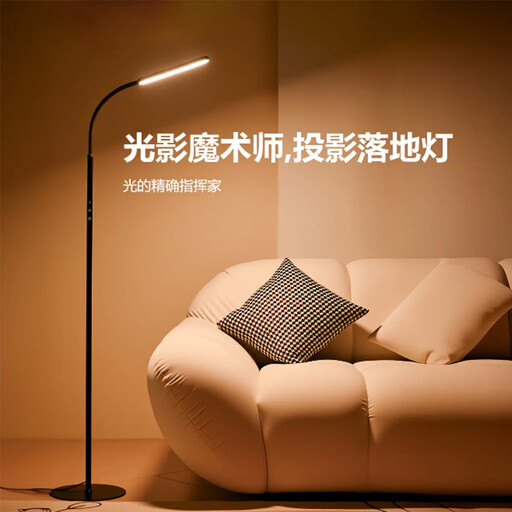
Why This Fits Their Persona: A straightforward choice for renters, home workers or anyone adding flexible lighting without rewiring a room. The remote control reaches up to 10 metres, which is practical beside a sofa or desk.
The listing provides wattage, colour temperatures, dimensions and materials rather than relying only on a brightness slogan.
180 cm height, 14W power, three colour temperatures and a heavy iron base.
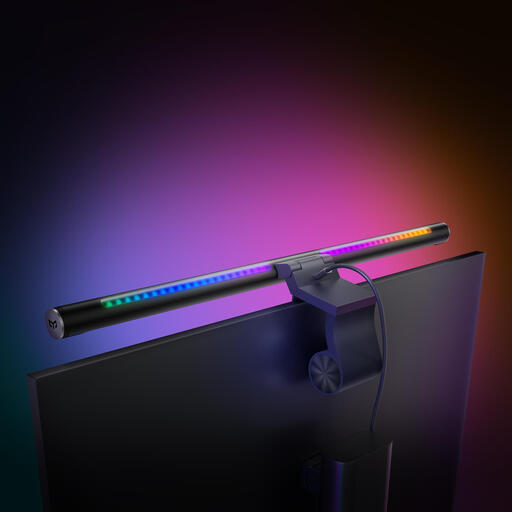
Why This Fits Their Persona: Suitable for office workers, streamers and smart-home users who want desk lighting with physical control and platform compatibility.
Matter compatibility is stated clearly, helping buyers check smart-home integration before ordering.
Knob control and compatibility with Alexa, Google Home, Apple Home and Matter.
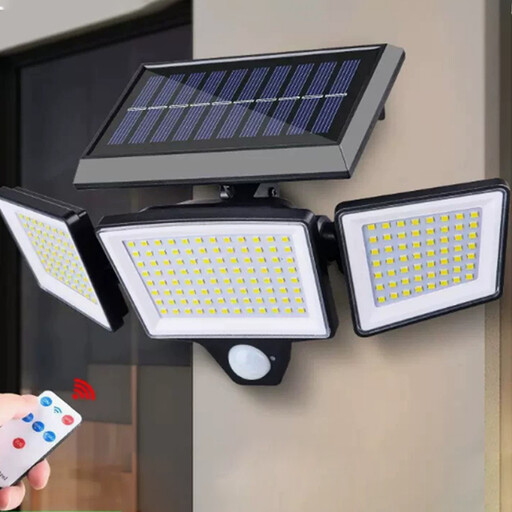
Why This Fits Their Persona: Designed for driveways, gardens, garages and larger outdoor areas where motion-triggered illumination and wide coverage matter.
The specification includes detection range, coverage angle, battery capacity, IP rating and mounting information.
302 LEDs, three lighting modes, 270-degree coverage and IP65 protection.
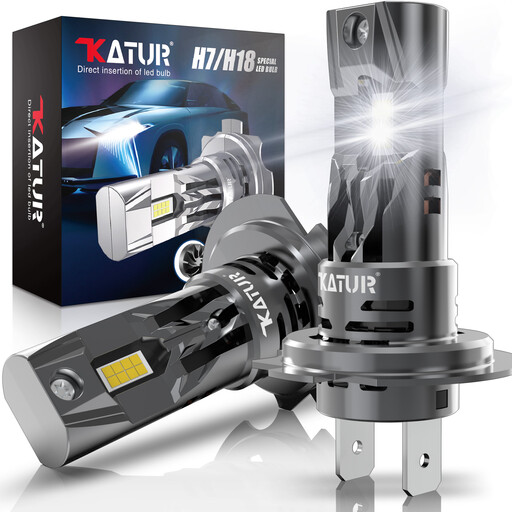
Why This Fits Their Persona: A potential option for drivers whose vehicles use H7 halogen bulbs and who are prepared to check fitment, beam alignment and road-use requirements before installation.
The listing identifies H7 sizing, 11–18V operation, cooling design and CANbus readiness, allowing a more informed compatibility check.
Mini 1:1 format, 6000K colour temperature, fan cooling and IP65 design.
We have compiled a complete, real-time list of products that fully satisfy these strict selection criteria and UK safety regulations.
Legality depends on the vehicle, lamp approval, beam pattern and how the replacement is installed. A bulb that physically fits may still create glare or fail an inspection. Check current UK road-use requirements, the vehicle handbook and the product documentation before fitting.
Published lifespans are estimates based on operating conditions. Heat, voltage variation, moisture, switching frequency and ventilation all affect service life. Keep cooling areas clear, use the correct adapter and clean solar panels and outdoor sensors periodically.