
24/7 Customer Support

Free returns

Same-day & Next-day Delivery

Quality Guaranteed

Unlock Your Welcome Offers: FREE Delivery | Up to 80% OFF | Free 30-day JoyPlus trial
Download the APP
Choosing LED lights is not simply a matter of selecting the highest lumen figure or the lowest price. The wrong fitting can create glare, flicker, compatibility problems or an installation that is unsuitable for the room. Drivers can also face poor beam alignment when replacing HID bulbs with LED alternatives.
This guide explains the specifications that matter, the common purchasing traps and which products may suit different UK households, landlords, electricians and drivers.
Wattage shows how much electricity a light uses, not how much light it produces. A modern 4.2W LED capsule can produce 470 lumens, while an older 40W halogen bulb uses substantially more electricity for a comparable lighting task.
Always compare lumens for brightness and watts for energy consumption. This prevents buying a low-wattage bulb that is too dim for the fitting, or a higher-wattage option when a more efficient replacement would be sufficient.
Colour temperature affects how a room feels and how clearly details appear. A warm white ceiling light around 2,700K to 3,000K gives a softer appearance that can suit bedrooms, lounges and decorative fittings. Cooler white light may be more appropriate for utility areas, garages or vehicle headlights.
Check the Kelvin rating rather than relying on terms such as “natural” or “daylight”, which can vary between manufacturers.
A bathroom ceiling light requires more careful checking than a fitting intended for a dry bedroom. Look for the fitting’s stated IP rating, installation instructions and suitability for moisture-prone zones. Moisture resistance does not automatically mean that a product can be installed anywhere in a bathroom.
For vehicle bulbs, the socket type and headlamp assembly are equally important. A D4S LED bulb is intended for compatible HID/D4S assemblies, not halogen or factory LED units.
Use lumens to estimate light output and wattage to compare electricity demand. For running-cost planning, multiply the wattage by the number of hours used, then compare the result with your electricity tariff.
For example, a 4.2W bulb used for five hours consumes approximately 21Wh per day. Actual costs depend on usage and the household electricity rate, so avoid fixed savings claims without calculating your own routine.
Also check the energy rating. The Energizer G9 LED bulbs listed here carry an Energy Rating E. This rating should be considered alongside brightness, fitting size and intended use.
The fitting must match the existing socket. Common examples include:
For a ceiling fitting, measure the available ceiling space and check the diameter. The Philips Doris fitting measures approximately 313mm in diameter, which is useful for planning replacement coverage and screw-hole positioning.
Confirm whether the light is dimmable before connecting it to a dimmer switch. Non-dimmable LED bulbs should not be used with dimmer controls, as flickering or damage may occur.
For G9 warm white bulbs, the 2,700K colour temperature is suited to decorative fixtures, wall sconces, chandeliers and under-cabinet lighting where a relaxed glow is preferred. For car headlights, a 6500K white car bulb produces a cooler visual appearance, but the correct beam pattern and vehicle compatibility remain more important than colour alone.
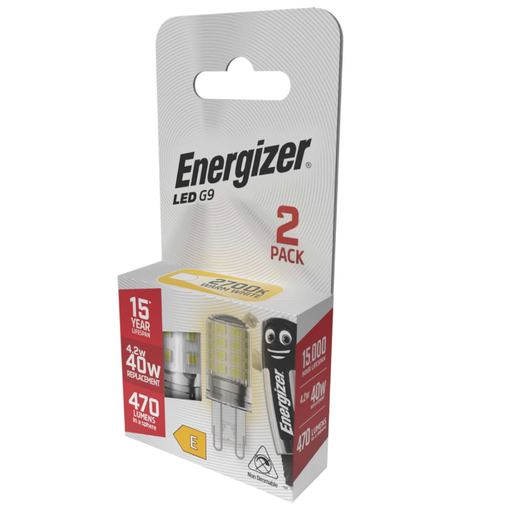
Why This Fits Their Persona: A practical two-pack for replacing compatible halogen capsules in decorative fittings, with a warm tone suitable for living spaces and accent lighting.
The listing states the cap type, 4.2W consumption, 470-lumen output and non-dimmable operation, making key compatibility checks clearer before purchase.
4.2W LED capsule; 470 lumens; 2,700K warm white; standard G9 push-in base; supplied as a two-pack.
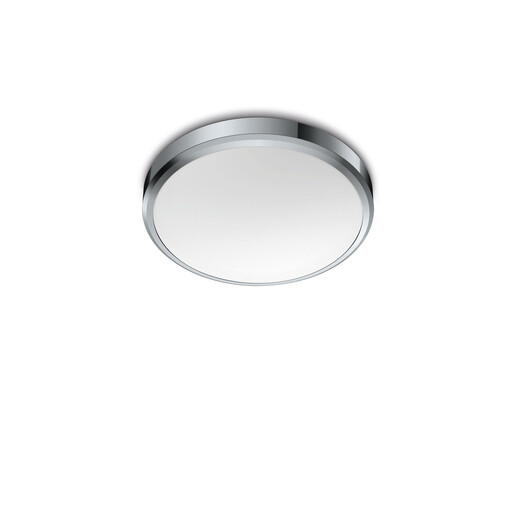
Why This Fits Their Persona: A complete ceiling fitting for homeowners or landlords refreshing a bathroom, kitchen or other area where a cleanable, moisture-resistant design may be useful.
Its published dimensions, 17W rating, materials and installation guidance help buyers check space, load and fitting requirements rather than relying on appearance alone.
17W integrated LED luminaire; 313mm diameter; chrome metal and plastic construction; smooth surface designed for easier cleaning.
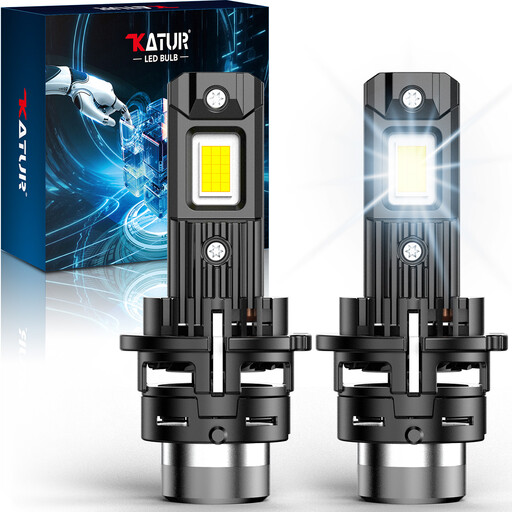
Why This Fits Their Persona: Intended for drivers replacing compatible HID D4S bulbs who want a cooler white appearance and a direct-fit design without external wiring.
The listing specifies D4S HID-only replacement, 1:1 installation, built-in cooling and a 6500K colour temperature. Buyers should still verify vehicle fitment and beam alignment.
D4S format; 6500K white output; aluminium body; built-in fan; supplied as a pair; plug-and-play design according to the product listing.
We have compiled a complete, real-time list of products that fully satisfy these strict selection criteria and UK safety regulations.
Before replacing any bulb or fitting:
They can use less electricity for a comparable lighting output, but the actual saving depends on wattage, daily operating time and your electricity tariff. Compare lumens as well as watts before choosing a replacement.
A warm white colour temperature can be suitable for a bathroom, but colour temperature and moisture protection are separate considerations. Check the product’s IP rating, installation instructions and the bathroom’s electrical zones before fitting.
Only where the vehicle and headlamp assembly are compatible with the specified LED format. The KATUR product is listed for D4S HID assemblies and not for halogen or factory LED units. Confirm fitment, connector arrangement, beam alignment and applicable UK road-use requirements before purchase.