
24/7 Customer Support

Free returns

Same-day & Next-day Delivery

Quality Guaranteed

Unlock Your Welcome Offers: FREE Delivery | Up to 80% OFF | Free 30-day JoyPlus trial
Download the APP
Choosing the right LED outdoor lights can transform your garden, patio or entrance from a dark, unused space into a safe, inviting and functional extension of your home. However, the market is flooded with options, and it is easy to make a purchase you later regret. Many homeowners find their new lights failing after one wet winter or discover the "bright" security light they bought barely illuminates the doorstep.
As the Joybuy Product Recommendation Officer, my role is to help you navigate these choices. We will look past the marketing buzz and focus on the practical details that determine whether a light is a worthwhile addition to your property or a waste of money. Here are two common pitfalls to watch out for.
To ensure your investment is sound, focus on a few core specifications. Understanding these will empower you to select a fixture that performs reliably and meets your specific needs.
The most critical factor for any waterproof outdoor lighting in the UK is its Ingress Protection (IP) rating. This two-digit code tells you exactly how well the fixture is sealed against solids (like dust) and liquids (like rain).
Do not get fixated on wattage. With energy-efficient LEDs, the true measure of brightness is lumens (lm), and the atmosphere is dictated by colour temperature (Kelvin, K).
Your choice between mains powered garden lights and solar garden lights depends on a trade-off between reliability and convenience.
Based on these practical criteria, we have matched several products to common user needs. This is not a "best of" list, but a curated selection designed to deliver reliable performance for specific situations.
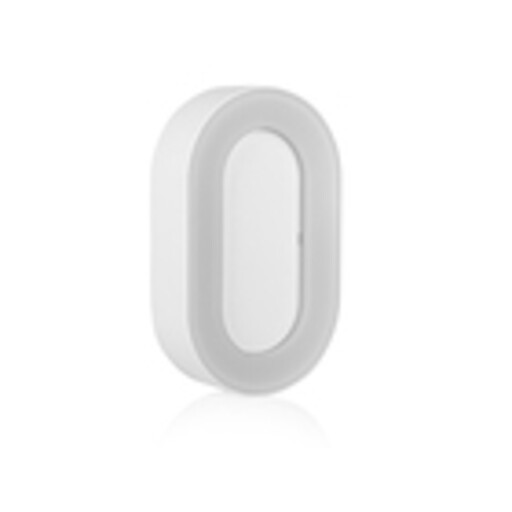
Why This Fits Their Persona: This user needs a reliable, low-maintenance light for their entrance, garage or patio. They value function over flair and want a "fit and forget" solution that is energy-efficient and durable.
Its IP54 rating ensures it withstands rain, avoiding the "not truly weatherproof" pitfall. The 3000K warm white light provides a welcoming glow, not a harsh, clinical one.
Excellent energy efficiency at just 10.5W for 500 lumens of light. The integrated LED has a 30,000-hour lifespan, meaning no bulbs to change for years.
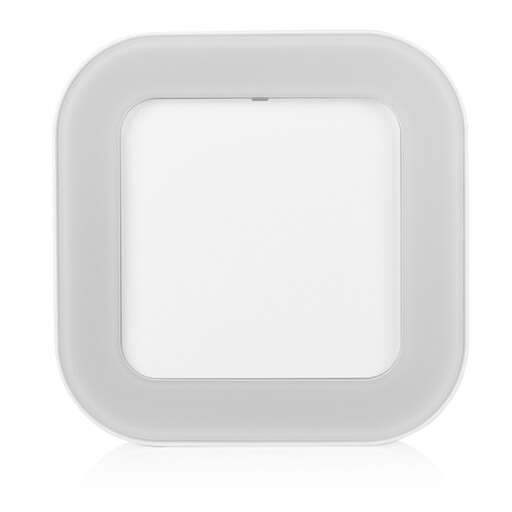
Why This Fits Their Persona: This user wants a modern outdoor light that complements their home's contemporary architecture. Aesthetics are as important as function, and the light should add to the property's kerb appeal.
It balances modern design with a welcoming 3000K warm white light, avoiding the sterile look of many contemporary fixtures. The IP54 rating ensures its sleek aluminium finish lasts.
The clean, square design and aluminium construction provide a high-end look. At 700 lumens, it offers a good balance of ambient and functional brightness for entrances and patios.
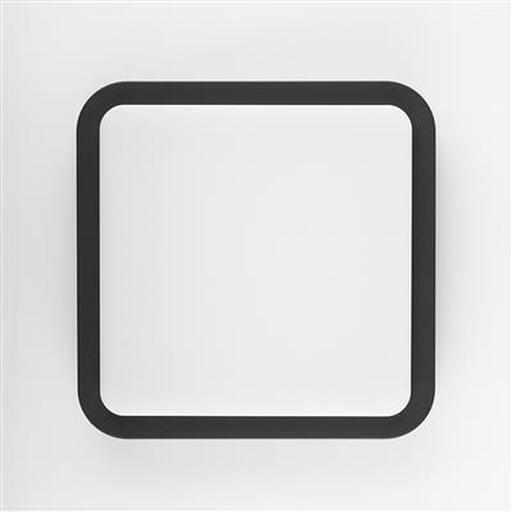
Why This Fits Their Persona: This user's top priority is safety and visibility. They need a powerful floodlight to eliminate dark spots in a driveway, back garden or work area, acting as a deterrent and improving safety.
It delivers a genuine security-level brightness of 2400 lumens, avoiding the pitfall of underpowered "security" lights. The 6400K cool white light is a deliberate choice for maximum clarity.
High-intensity illumination covers large areas effectively. The 30W LED is far more energy-efficient than an equivalent old halogen floodlight, saving on electricity bills.
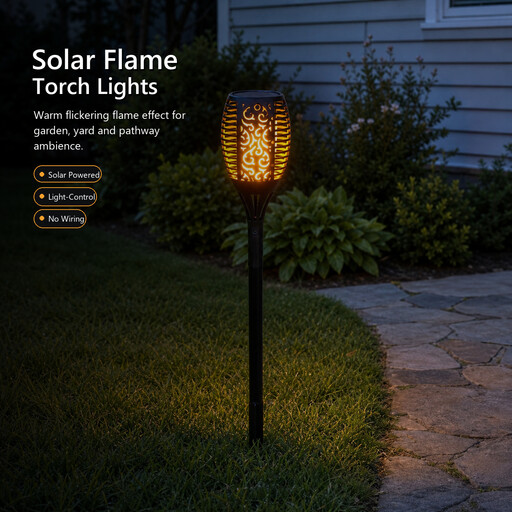
Why This Fits Their Persona: This user wants to add decorative flair and a unique atmosphere to their garden for parties or quiet evenings. Ease of installation is key, and they are looking for a special effect rather than pure function.
While being solar, it has a high IP65 waterproof rating, making it far more durable than many cheaper solar options that fail in the rain. It embraces its role as decorative, not pretending to be a security light.
Completely wire-free installation allows for placement anywhere the sun reaches. The dancing flame effect creates a unique and captivating ambiance for garden spaces.
We have compiled a complete, real-time list of products that fully satisfy these strict selection criteria and UK safety regulations.
Very little. LED technology is incredibly efficient. For example, a 10W LED light (providing around 800 lumens) running for 6 hours every night would use approximately 22 kWh of electricity over a whole year. Based on average UK electricity rates, this would cost you less than ?10 per year to run.
For your safety and to comply with UK law, any fixed electrical installation outdoors, including mains powered garden lights, must adhere to Part P of the Building Regulations. This generally means the work must be completed or at least certified by a qualified electrician. We strongly advise against DIY installation for any mains-powered outdoor fixture.
Integrated LEDs, where the light source is built into the fixture, are designed for longevity. Many are rated for 25,000 to 30,000 hours of use. If you use your outdoor light for an average of 6 hours per night, a 30,000-hour lifespan translates to over 13 years of service, making them a very low-maintenance choice.