Photographers of glossy tableware
If you photograph glazed ceramics, glassware or cutlery, you need to shape reflections on the subject without lighting up the surrounding dark surface.


Choose a light you can soften and position without spilling too much light onto the dark background; a diffuser or softbox and a grid or flags are worth considering alongside adjustable output. A bi-colour panel suits neutral tabletop lighting, while an RGBWW panel adds tint and colour options. Neither type removes the need to manage reflections on glazed plates, glass and cutlery.
If you photograph glazed ceramics, glassware or cutlery, you need to shape reflections on the subject without lighting up the surrounding dark surface.
When tableware, food and textiles need to look consistent across repeated shots, adjustable colour temperature and the exact model’s published colour-rendering figures help you assess a light.
For tabletop shoots at home or on location, compact placement and straightforward adjustment matter. If mains power is inconvenient, check the particular light’s battery options and what the package includes.
For neutral tableware shots, start with a white-light setup you can soften and keep off the background; consider RGBWW when you also want deliberate colour or tint control. A flexible LED mat is another placement option if positioning a rigid panel is difficult, but it still needs suitable mounting and light shaping.
| Concern | What to check | Who this matters to |
|---|---|---|
| Reflections and background spill | Check the exact kit for a diffuser or softbox, and plan for a compatible grid or flags. | With glossy plates or glass, I want to show their shape without distracting glare or a bright background; around 36% of consumers put reflection and spill control first. |
| Colour and white balance | Compare the exact model’s colour-temperature range and published CRI/TLCI figures; check for green/magenta adjustment if you need it. | When photographing glaze, food and linens together, I want their colours to remain believable across shots. Around 29% of consumers prioritise colour and white-balance control. |
| Compact, repeatable setup | Confirm power options, mounting and the accessories supplied with the particular package. | In a small shooting space, I need to place and adjust the light reliably each time; roughly 21% of consumers make a repeatable setup their main concern. |
| Creative colour | Check whether the variant offers the tint, RGB or gel-style modes you intend to use. | If I also light a coloured accent or backdrop, I need those controls without unintentionally tinting white crockery; about 14% of consumers put creative colour control first. |
Colour-rendering figures describe colour-quality characteristics, not the size or position of reflections. Digital Photography School’s dark-food photography guidance notes that matte surfaces damp down reflections.
Check how a diffuser or softbox, the light’s angle and a grid or flags work with the glazed plate, glass or cutlery you intend to photograph.
A stated wattage does not tell you how much light will reach your tableware through a chosen modifier. Published output figures may also use particular distance and colour-temperature conditions.
Compare manufacturer output figures only under matching stated conditions, then consider the diffusion and spill control your setup requires.
Godox describes NP-F battery use for the LDX50Bi as optional, and the contents of a particular retailer package need checking.
Before buying, confirm the battery type, charger, mains adapter, plug and mounting accessories in the exact listing.
Battery operation may require a separate battery or charger.
Great Britain and Northern Ireland have different product-marking arrangements. A storefront’s location alone does not establish the marking or power arrangement supplied with a light.
For delivery to Great Britain, check the applicable marking and documentation on the product and listing, as well as the supplied power equipment. Check the arrangements relevant to Northern Ireland separately.
Its rigid P60 panels and flexible-light range offer different ways to position a source around a tabletop set.
The LDX50Bi is a bi-colour panel option with a detachable diffuser and several ways to adjust its settings.
The PavoSlim 60C is an RGBWW panel to consider when white-light work also calls for deliberate tint or colour effects.
These compact camera lights offer different controls for close-up or product photography. For dark-background tableware, choose alongside a workable plan for softening the light, positioning it and limiting spill; the product titles alone do not establish a complete light-shaping kit.
 No image available
Consider this compact light if you want white-light adjustment as well as colour options for a tabletop setup.
The product name states a 2500–9000 K range, CRI ≥95, 20 lighting effects and an integrated 3100 mAh battery.
For glossy tableware, check compatible diffusion, mounting and a way to keep light off the background.
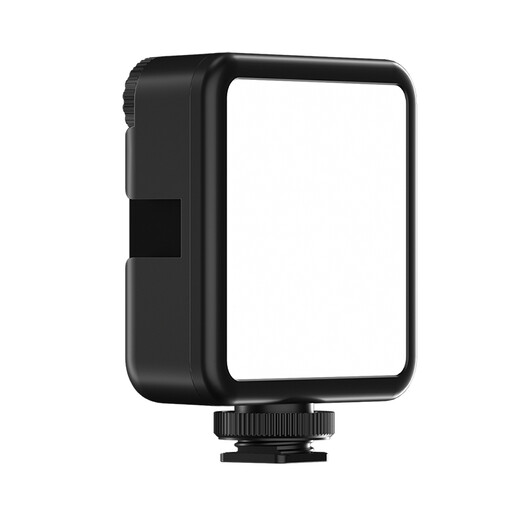 No image available
This is a portable camera-light option if your tabletop arrangement suits cold-shoe mounting and adjustable brightness.
The product name specifies a rechargeable 3000 mAh battery, adjustable brightness and a cold-shoe fitting.
If matching ceramic colours or keeping the backdrop dark is important, check the colour-temperature settings and suitable spill-control accessories.
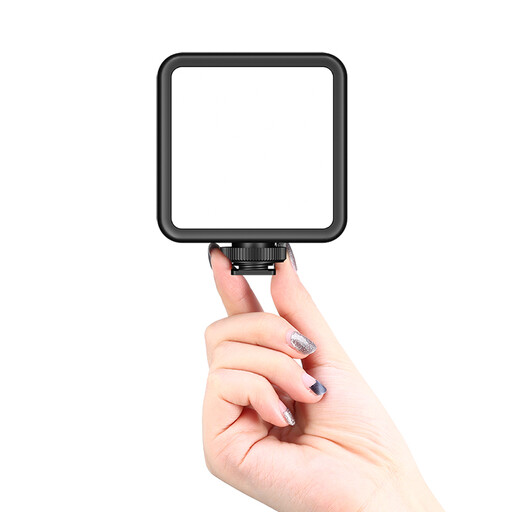 No image available
Consider this compact light for close-up product shots where you need adjustable output and a suitable place to mount it.
The product name specifies dimming, a 2500–9500 K range, a 2000 mAh battery and a magnetic back.
Check colour-rendering figures and compatible diffusion or spill-control accessories if accurate-looking glaze and controlled reflections are priorities.
Start with a way to shape the light and limit spill onto the background, rather than choosing by one numerical specification. Check compatible diffusion or a softbox, a grid or flagging plan, and adjustable output; colour-rendering figures do not prevent reflections on glossy objects.
Choose bi-colour when an adjustable white key light meets your tabletop needs; consider RGBWW if you also want deliberate tint or coloured-background effects. Keep coloured light off white ceramics unless a colour cast is part of the intended photograph.
You can if the exact light supports a suitable battery system. Godox describes an optional NP-F battery for the LDX50Bi, while amaran lists NP-F battery slots for the P60 range; check the specific package for batteries, a charger and a mains adapter.
Check the marking and documentation applicable to the particular light, rather than relying on where it is listed. Department for Business and Trade guidance says Great Britain continues to recognise CE marking alongside or instead of UKCA marking where applicable requirements are met; Northern Ireland has different arrangements. Also confirm the supplied power equipment suits your intended use.